Two shirts can have the same fiber label and feel quite different. One might be an airy polyester mesh for running. The other might be a dense polyester knit that keeps you warm on a cool morning. The label tells you what the fabric contains. The way the yarn is made and assembled helps explain how the finished shirt feels.
Manufactured fibers give clothing designers control over stretch, drape, texture, and other properties. That makes them useful in everything from fitted jeans to lightweight jackets. It also makes sweeping claims about their comfort or environmental impact hard to support. The more useful question is what a particular fabric does well, how long you expect to wear it, and what happens once you are done with it.
What Are Manufactured Fibers in Fashion?
Manufactured fibers are made through an industrial process. The term covers several groups. Two commonly found in clothing are synthetic fibers, such as polyester, nylon, and elastane, and regenerated cellulose fibers, such as viscose, modal, and lyocell.
Synthetic fibers are made from polymers. Conventional polyester and nylon generally use fossil-derived feedstocks, although recycled inputs and other feedstock options exist. Elastane, also known as spandex, is often added to a fabric in a small percentage to give the garment stretch and help it recover its shape.
Regenerated cellulose fibers start with cellulose, commonly from wood pulp. The cellulose is processed and formed into new fibers. Viscose and lyocell use different manufacturing processes. Their environmental profiles can depend on the source of the pulp and how a facility handles chemicals, water, and energy. A plant-derived input is one part of that picture.
The phrase chemical fiber can be confusing because it groups materials made from different inputs and by different processes. For shopping or sourcing, use the names printed on the composition label. A label that reads “95% viscose, 5% elastane” tells you more about what you are buying than a description that calls the garment a chemical-fiber blend.
Where Different Fibers Work Well
| Fiber | Common clothing uses | What to check on the garment |
|---|---|---|
| Polyester | Sports shirts, linings, fleece, uniforms | Fabric weight, airflow, seam comfort, and care instructions |
| Nylon | Outerwear, hosiery, sportswear | Fabric density, flexibility, and any coating or finish |
| Elastane | Leggings, fitted jeans, cuffs, swimwear blends | Whether the garment recovers after stretching and how it should be washed |
| Viscose or modal | Blouses, dresses, soft knitwear | Drape, opacity, and care requirements |
| Lyocell | Shirts, trousers, denim blends | Fabric weight, drape, and instructions for washing and drying |
Activewear and everyday layers
A running top needs to feel comfortable while you move. An open knit can allow more air through than a dense fabric. A fabric designed to move moisture away from the skin may feel more comfortable during exercise, but you still need to consider how the garment fits and where the seams sit. A seam that rubs under a backpack strap can matter more than the fiber percentage printed on the label.
For a warm layer, a raised fleece surface can help trap air. A dense outer layer can reduce airflow. On a cold, windy day, those are useful properties. During a workout indoors, the same fabric may feel too warm. Decide when and where you will wear it before interpreting claims about comfort.
Stretch, shape, and drape
A small amount of elastane can make fitted trousers easier to move in. Try sitting, bending your knees, and walking. Then see whether the fabric returns to shape. A loose cut may give you enough movement on its own, while a close fit can make stretch and recovery more important.
Drape is how fabric hangs and moves. A lightweight viscose blouse can fall softly, while a heavier lyocell blend can give trousers more structure. Yarn, fabric weight, and the cut all play a role. When shopping online, check whether the listing identifies the lining and whether photos show how the garment hangs on a person. NetworkUstad’s guide to buying kurtis online offers a related example of shopping for garments without handling them first.
What Makes a Fabric Feel Comfortable?
Breathability, drying speed, and surface feel are separate properties. A garment can dry quickly after washing and still feel warm during wear. Another can allow air through and hold moisture for longer. Look for the property that matters for your activity. For humid weather, check how loosely the garment fits and how thick the fabric and lining are. For repeated exercise, consider how easily you can wash and dry it between sessions.
Small details can change how a garment feels after several hours. Check where labels, elastic, and seams touch the body. Run your hand over the inside as well as the outside. If the item is meant to be worn under another layer, try it that way. Shoppers who already know that a particular fabric, finish, or trim bothers them can use that experience when comparing garments.
Fabric durability is also specific to the item. Look at areas that regularly carry stress, such as pockets, knees, underarms, or the base of a zipper. Check for loose stitches and see whether buttons or fasteners are secured. A durable fiber can be used in a flimsy garment, and a well-made seam can help extend the life of a garment made from several fibers.
Environmental Trade-Offs Across a Garment’s Life
Raw materials and production
Synthetic and natural fibers place different demands on resources. Conventional synthetics use fossil feedstocks and energy. Agricultural fibers can require land and water, with impacts that vary by region and farming method. Regenerated cellulose adds questions about pulp sourcing and processing. The European Environment Agency’s assessment of synthetic textiles explains why rankings change depending on the impact being compared.
When you see a claim such as “uses less water,” check what the comparison covers. It could refer to making the fiber, dyeing the fabric, or caring for the finished garment. A figure about one stage cannot answer questions about the entire product. Also check the unit being compared. A comparison per kilogram of fabric tells you something different from a comparison per garment or per wear.
Recycled inputs and garment recycling
A recycled-content claim tells you about the inputs to a garment. The inputs may come from packaging, factory scraps, or used clothes. Textile-to-textile recycling specifically uses textile waste as a feedstock. Textile Exchange’s 2026 benchmarking report found that textile-to-textile inputs remained a small share of the materials covered by its reporting participants.
Recycling the finished garment is a separate question. A collector may accept a garment for reuse even if local recyclers cannot process its particular blend. Coatings, fasteners, multiple layers, and stretch fibers can affect which processes are available. If a brand promotes a take-back program, check the accepted items, where you can return them, and what the program says happens after collection.
Microfiber shedding and clothing care
Textiles can shed fibers as they are made, worn, washed, and discarded. Fibers shed from plastic-based textiles can contribute to microplastic pollution. How much a garment sheds can vary with its fabric construction, surface, and use. The fiber percentage on its own cannot tell you how much a particular item will shed.
Follow the care label so the item stays wearable. If an item needs only a small repair, such as a replaced button or a seam restitched, consider doing that before replacing it. Buying for a job you actually need the garment to do, and keeping it in use while it does that job, can matter as much as comparing two labels at the shop.
A Buying Checklist for Manufactured-Fiber Clothing
- Name the job. Decide whether the garment needs to stretch, pack small, dry between workouts, or hang well at work. Pick the feature you will notice most often.
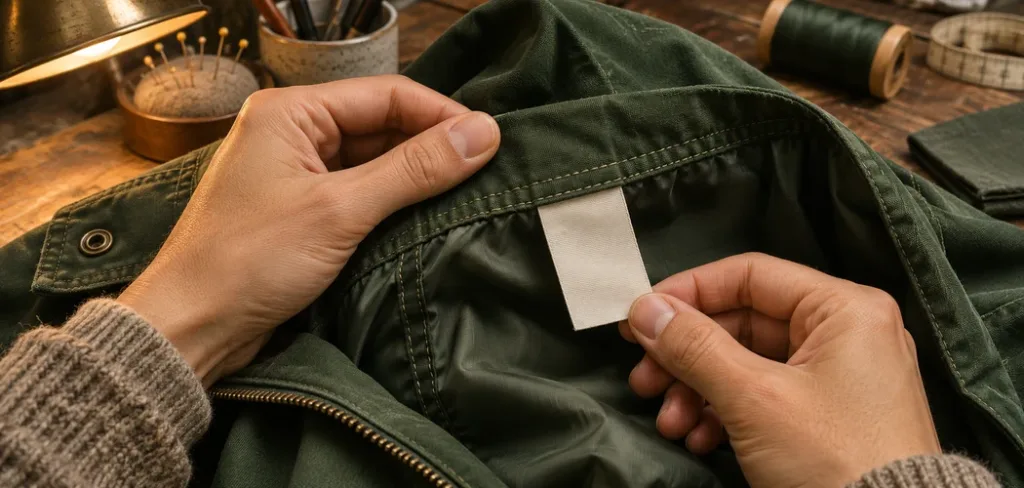
- Read the full composition. Check the main fabric and lining separately. If a claim mentions recycled content, find out which parts of the garment it covers.
- Inspect construction. Look at seams, hems, pockets, and fasteners. Try the movements you expect to make while wearing it.
- Check the care label. Decide whether you can keep up with any special washing or drying requirements. Check if a routine you already use would be suitable.
- Consider the next owner or next use. Repair an item you still use, pass it on in wearable condition, or check what a local collection service accepts.
For example, you may be comparing two jackets that look similar in a catalog. One lists recycled polyester in the shell while the other has a replaceable zipper and a roomier cut for layering. If you need the jacket for daily cycling, check how each one fits over your usual clothes and whether the sleeves move easily. Then look at cleaning instructions and repair options. That comparison helps you decide which garment you are more likely to keep wearing.
Manufactured fibers are already part of everyday clothing. Their value depends on the fabric, the garment’s construction, and how it is used. Start with fit, care, and the work the garment needs to do. When you compare environmental claims, look for a named material, a clear comparison, and enough detail to understand what was measured.
Materials and care note. This guide describes common uses and trade-offs. Check the individual garment’s composition and care label, and confirm what your local repair, reuse, or collection service accepts.