
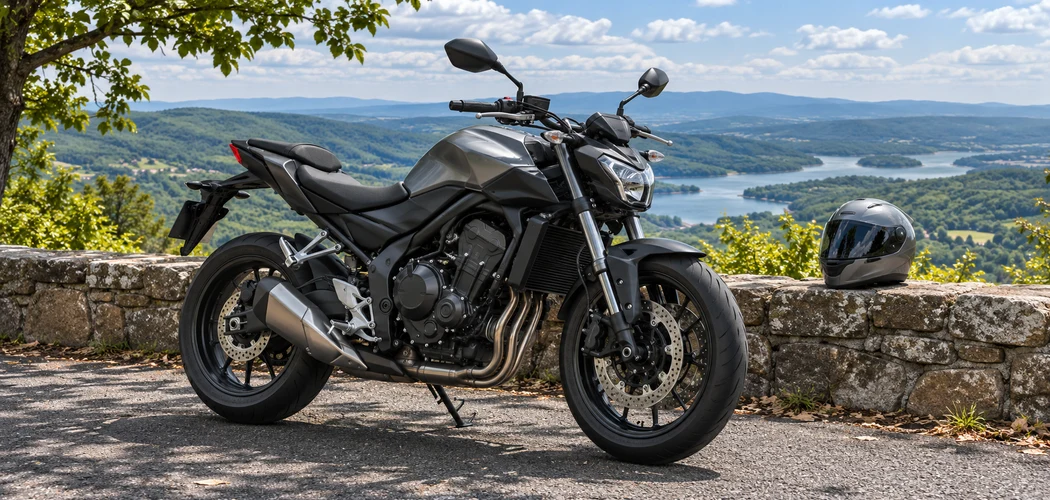
A useful motorcycle safety checklist starts before you turn the key. Check that your protective gear fits, the motorcycle is ready for the trip, and the route suits the conditions. On the road, leave time and space to respond to drivers who may overlook a motorcycle. If a crash occurs, prioritize emergency help and follow the reporting requirements where it happened.
This guide focuses on riding in the United States. California appears as a labeled example because its helmet rule is relevant to riders there. Check the licensing, equipment, and reporting requirements for every jurisdiction on your route.
A Motorcycle Safety Checklist for Every Ride
| Check | What to confirm before leaving |
|---|---|
| Rider | You are sober, alert, and rested enough to ride. |
| Gear | Helmet fastened, eye protection clear, and gloves, jacket, pants, and boots suitable for riding. |
| Tires and controls | Tire condition and pressure checked against the owner’s manual, with controls operating as expected. |
| Lights and mirrors | Headlight, brake light, and signals working, with mirrors positioned before departure. |
| Route | Weather, road conditions, fuel or charging stops, and a way to turn back if conditions deteriorate. |
| Documents | Required license or endorsement, registration and proof of insurance as applicable, and emergency contact information available. |
Make this a routine you can complete in the same order. If you share a motorcycle, use a short pre-ride conversation to ask whether the previous rider noticed any changes. If you have just serviced the bike, use the manufacturer’s checks and confirm that any unresolved issue has been addressed before riding.
Choose Protective Gear You Can Use Comfortably
Start with a motorcycle helmet that meets the relevant standard and fits the person wearing it. In the United States, the Department of Transportation label identifies a manufacturer’s certification to Federal Motor Vehicle Safety Standard No. 218. The National Highway Traffic Safety Administration explains U.S. helmet requirements and other protective practices in its motorcycle safety guidance.
Try the helmet with the strap secured. It should fit snugly and stay positioned when you turn your head. Follow the manufacturer’s fit instructions and check your field of view, especially if you wear glasses. Look through the visor in the light you expect to ride in. A visor that is easy to see through in daytime may be unsuitable after dark. If a helmet has been in a crash, check the manufacturer’s replacement guidance.
Choose gloves that allow you to operate the controls, boots that cover the ankles, and protective riding clothing that allows free movement. Try the items while seated on the motorcycle with the engine off. Check whether the sleeves and gloves stay in place when you reach the bars. If a passenger joins you, make sure their gear fits too and review the passenger instructions in your motorcycle’s manual.
California helmet law
The California DMV Motorcycle Handbook explains that California Vehicle Code § 27803 requires riders and passengers to wear a U.S. DOT-compliant motorcycle safety helmet. Treat that as a California example. If you take a trip across state lines, check the rules where you will ride and carry the equipment you need for the whole route.
Inspect the Motorcycle Before a Ride
Tires and wheels
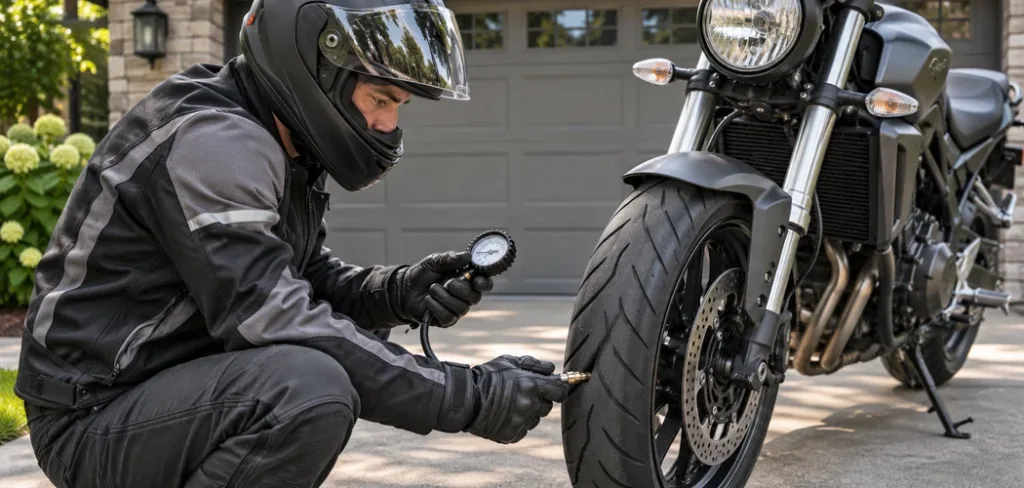
Use the pressure specified in the owner’s manual or the manufacturer’s label for the motorcycle and load. Check pressure when the tires are cold, using a gauge you can read reliably. Look for visible damage, embedded objects, or unusual wear. If a tire keeps losing pressure or you are unsure about its condition, get it inspected before riding.
A passenger or luggage can change the load and the manufacturer’s recommendations. Review the motorcycle’s limits and do a fresh check after packing. Make sure the luggage is secured according to the equipment instructions. If you cannot arrange the load within the bike’s limits, leave items behind or use another way to transport them.
Controls, lighting, and visible condition
Before leaving, confirm the brakes, throttle, clutch where fitted, and other controls respond normally. Check that the headlight, brake light, and turn signals work. A helper can confirm a light from the rear, or you can look for the reflection on a surface while the motorcycle is stationary. Adjust mirrors while stopped so you can see behind you without leaning into an awkward position.
Look for signs of leaks or damage. Check fluid levels, the drive system, and other items at the intervals and in the manner the manufacturer specifies. If a warning light stays on or a control feels different from usual, use the owner’s manual and get qualified help when needed. Put that decision ahead of the schedule for the ride.
Ride Where Others Can See You and Leave Room to React
Try to keep enough space ahead to respond if traffic slows suddenly. In rain or reduced visibility, allow more room and adjust your speed for the available grip and sight distance. If you ride alongside a vehicle, be mindful of the driver’s blind spots and avoid staying there. Choose a lane position that suits visibility, road surface, and the conditions around you.
Pay particular attention at intersections and driveways. A driver may look in your direction and still overlook the motorcycle. Watch for signs that a vehicle may turn across your path and give yourself space to respond. Use your signals early enough for others to see them, and verify that your signal has canceled after the maneuver.
Gear with visible or reflective elements and functioning lighting can help other road users notice you. Visibility changes with position and background, so continue watching traffic even if you are wearing bright gear. Avoid riding when impaired by alcohol or drugs. If a medication may affect alertness or coordination, check its instructions or ask a healthcare professional before riding.
Plan the Route Around Your Skills and the Conditions
Choose a route you are comfortable riding in the weather you expect. A familiar road can feel different after dark, in heavy rain, or when construction changes the surface. Check the forecast and planned closures before leaving. If conditions change, allow time to stop somewhere safe and revise the route.
A rider training course gives you an opportunity to practice and receive feedback in a controlled setting. New riders can learn the basics of starting, stopping, turning, and observation. Returning riders can use a refresher course to rebuild familiarity after time away or before switching to a different type of motorcycle. Look for training recognized by your state if you plan to apply it toward licensing requirements.
If you ride with a group, agree on the route and regrouping points in advance. Those plans reduce the pressure to keep up when traffic separates the group. Make it clear how to leave the ride if someone is tired or the weather turns. An agreed stopping point also makes it easier to check on a rider who needs time to adjust equipment or rest.
Give yourself time to change the plan
A route should leave enough time for breaks and delays. Before leaving, choose a place where you can stop if you start losing concentration or the weather worsens. For a trip with several stops, review the next leg during a break and decide whether to continue based on the conditions you can see. Use a calendar reminder or checklist before departure if you are likely to rush. Once the ride starts, leave navigation changes until you are safely stopped.
What to Do After a Motorcycle Crash
Put immediate safety first. Call emergency services if someone is injured or there is an immediate danger, and follow the dispatcher’s instructions. Give the exact location, the direction of travel if relevant, and any information about hazards responders need to know. Avoid entering active traffic to collect evidence or retrieve property.
Once it is safe, exchange information and record what happened as required locally. Write down the time, location, people involved, and witness contact details if available. If photographs can be taken without interfering with responders, save the originals. Keep copies of notices, correspondence, and any report numbers you receive. Promptly ask your insurer what information it needs. NetworkUstad’s guide to comparing vehicle insurance policy terms provides related background on coverage questions to ask before a ride.
Check whether a separate report is required. California’s DMV handbook describes a report to the DMV within 10 days for collisions involving injury, death, or more than $1,000 in property damage to any one person. Confirm current instructions for the collision and your responsibilities. Reporting to an insurer and submitting a required government report are separate steps.
Before riding the motorcycle again, have damage evaluated if there is any question about its condition. Damage can affect how the bike handles or stops. Review the helmet and other gear against the maker’s instructions, and replace items when required. Keep documentation for any repair or replacement and confirm that outstanding concerns have been addressed before returning to the road.
A repeatable routine helps you make consistent decisions. Check yourself, your gear, the motorcycle, and the route before departure. On the road, choose visibility and space whenever conditions allow. If something changes, give yourself permission to slow down, stop, or end the ride.
Road safety and legal disclaimer. This guide provides general information. Follow the motorcycle manufacturer’s instructions and the rules where you ride. In an emergency, contact local emergency services and follow the dispatcher’s instructions.



