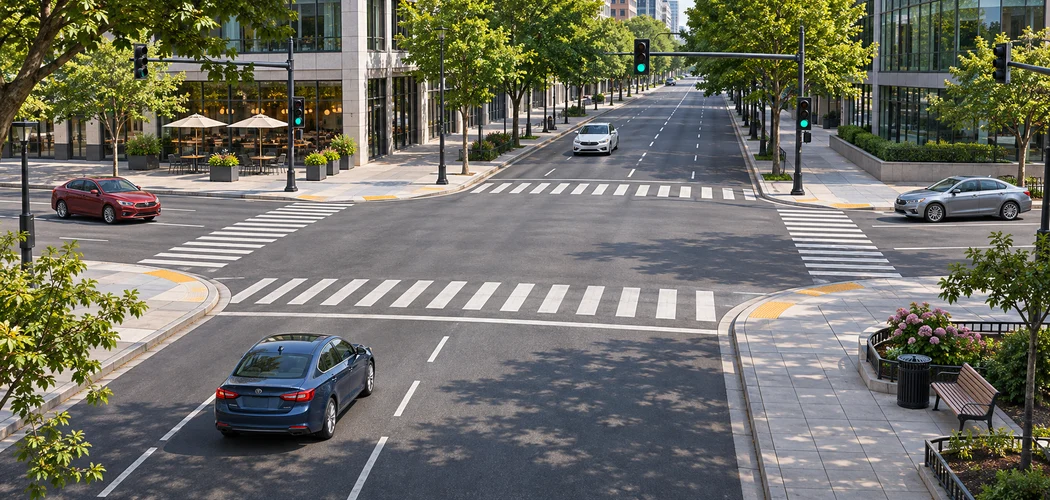
A line of brake lights, a driver turning across traffic, and a car drifting toward the next lane call for different responses. What they have in common is the need for enough time and space to react. You can create more of both by looking ahead, leaving a gap, and adjusting your speed before conditions force a quick decision.
This guide covers rear-end crashes, angle crashes, sideswipes, and single-vehicle crashes. These patterns describe the impact or the vehicles involved. An intersection, by comparison, describes a location. A rear-end crash and an angle crash can both occur at the same intersection, and the steps that reduce each risk are different.
Four Types of Car Crashes at a Glance
| Crash pattern | How it can happen | Habit that can help |
|---|---|---|
| Rear-end | The front of one vehicle hits the back of another | Maintain a following gap and look beyond the vehicle ahead |
| Angle | Vehicles on crossing or converging paths collide, often with one striking the side of another | Check for crossing traffic and turn only when there is a safe gap |
| Sideswipe | Vehicles make contact along their sides while passing or merging | Check mirrors and blind spots before changing lanes |
| Single-vehicle | One motor vehicle crashes, such as by leaving the road and striking a fixed object | Reduce speed for the available grip and visibility |
The California DMV safe-driving handbook provides examples of following distance, lane changes, and intersection awareness. Check the rules where you drive. A habit that improves awareness can reduce risk even when another driver’s actions are outside your control.
1. Rear-End Crashes: Keep a Usable Following Gap
A rear-end crash can start with a change several vehicles ahead. If you look only at the bumper in front of you, your first warning may come when that driver brakes hard. Scan farther down the road when you have a view. Look for brake lights, a blocked lane, or a queue approaching a signal. A longer view gives you time to ease off the accelerator and slow as traffic changes.
In good conditions, use a time-based gap as a starting point. Watch the vehicle ahead pass a fixed object and count the seconds until you reach it. The California DMV describes a three-second rule for normal following conditions. Add space when visibility or grip is reduced, or when a large vehicle blocks your view. A gap you can maintain in daylight on dry pavement may be too short in rain, fog, or stop-and-go traffic.
If someone moves into your gap, ease back to rebuild it when you can. If someone follows you closely, increase the room ahead so you have more time to slow gradually. Avoid sudden braking to send a message to the driver behind you. When practical, allow a tailgater to pass by using a legal and safe lane change or turnout. Keep your attention on your own path while you do so.
2. Angle Crashes: Verify the Path Before Crossing
An angle crash can occur when vehicles try to occupy the same space from different directions. A driver might turn across oncoming traffic, enter from a side street, or proceed through an intersection after another driver misses a signal. A T-bone crash is one kind of angle impact.
At a signal, look for traffic that is still clearing the intersection before proceeding. Watch for pedestrians, cyclists, and vehicles entering from the sides. At an unsignalized intersection, follow the applicable right-of-way rules and take time to check what you can actually see. If a parked vehicle or building blocks the view, avoid moving into the travel path before you have enough visibility to proceed safely.
When turning across traffic, consider how long it will take to clear the path. A vehicle can be hard to judge if it is partly hidden or traveling faster than expected. Wait for a gap that allows you to complete the turn without forcing another road user to brake or change direction. If you miss a turn, continue to a place where you can turn legally. A missed turn is an inconvenience. A last-second correction can place you in a path you have barely had time to check.
Driveways and parking lots also create crossing paths. Look for people walking between vehicles and for drivers backing out. Keep your speed low enough to respond within the area you can see. If a larger vehicle hides the next parking aisle, assume someone may be approaching from that direction until you have a clear view.
3. Sideswipes: Check the Space Beside You
A sideswipe can happen when vehicles drift or move into the same lane space. Merges, lane endings, and lanes with changing markings demand particular attention. Plan your lane change early so you can look for a workable gap before the road narrows.
Before moving, check the relevant mirrors, signal, and make a brief blind-spot check as appropriate. Keep monitoring the road ahead. Confirm there is enough space for your vehicle and that the lane will still be available when you arrive. A turn signal lets others know what you intend to do. Wait until the maneuver is safe before following through.
Be especially careful near trucks and buses, where other drivers may have limited visibility along the vehicle’s sides. Avoid lingering alongside when you can maintain a safer position within the rules and traffic conditions. If two drivers appear to be moving toward the same gap, hold your lane or ease back when safe so the situation can resolve before you move.
If your vehicle has blind-spot monitoring, learn what an alert means and when the system may have limitations. Keep using your mirrors and direct observations. Before leaving, adjust your seat and mirrors, then confirm you can operate the controls comfortably. Correcting the setup while driving takes attention away from traffic when you need it.
4. Single-Vehicle Crashes: Match Speed to the Road
A single-vehicle crash can involve leaving the road, striking a fixed object, or losing control on a slick surface. Risk can change quickly when the road curves, rain reduces visibility, or the surface turns uneven. Choose a speed that leaves room to respond to what you can see. A posted limit establishes a ceiling in ordinary circumstances. Weather, visibility, and other conditions may require a lower speed.
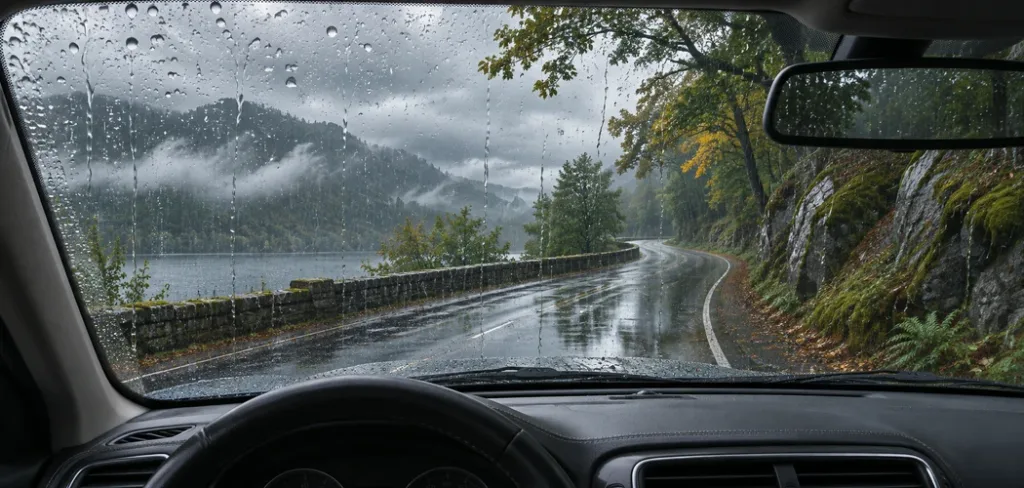
Look ahead for changes in road direction and surface. If visibility drops, slow before you reach the area you cannot see clearly. Allow enough time for a safe stop if traffic is stopped around the curve. If conditions become too difficult, identify a safe place to leave the road and wait. Make any route changes while parked.
Check tires regularly and before a long trip. Use the pressures specified by the vehicle manufacturer and check them when the tires are cold. Inspect the tread and sidewalls for visible wear or damage. NHTSA’s tire safety guidance explains how to check pressure and tread. If there is a persistent warning or the vehicle feels different from usual, arrange an inspection before depending on it for another trip.
Fatigue and distraction can reduce the time you have to recognize a change. Set your route and audio before leaving, and let a passenger handle changes if one is available. Make a plan for rest on longer trips. If you notice that you are missing signs or struggling to stay alert, stop somewhere safe and reconsider whether to continue driving.
Make the check before you leave
Give yourself a moment at the start of a trip to notice the conditions. Check the weather, clear the windows, and make sure your lights and wipers work. If you are driving an unfamiliar car, find the relevant controls while parked. On a road you use often, think about a place where you have had to brake suddenly before. It might be a hill that hides a signal or a junction with a short turning lane. Use that memory to start looking earlier on the next trip. If the route includes a difficult merge, check whether you can choose a quieter route or a time with lighter traffic. Arriving later is a reasonable choice when conditions call for a slower trip.
Put the Habits Together on a Normal Trip
Imagine driving in rain toward a busy intersection. Start by leaving a larger gap ahead so you can slow smoothly if the next vehicle stops. Before turning, check that traffic has cleared and that people in the crosswalk have finished crossing. If your lane ends after the intersection, wait for an adequate opening and verify the space beside you before moving. On the next bend, reduce speed early enough to account for limited visibility.
Instead of trying to memorize a maneuver for every crash type, practice noticing what changed. Maybe the road surface became wet, a vehicle hid an approaching driver, or the gap ahead disappeared. Give yourself more time or space when those cues appear. That adjustment can help across several different situations on the same trip.
If a crash happens, prioritize emergency help and follow local reporting requirements. NetworkUstad’s guide to using your phone after a car accident explains when to collect information and how to keep records. Leave photos until you can take them safely.
Road safety disclaimer. This guide provides general information. Follow local traffic laws, vehicle manufacturer instructions, and directions from emergency responders.