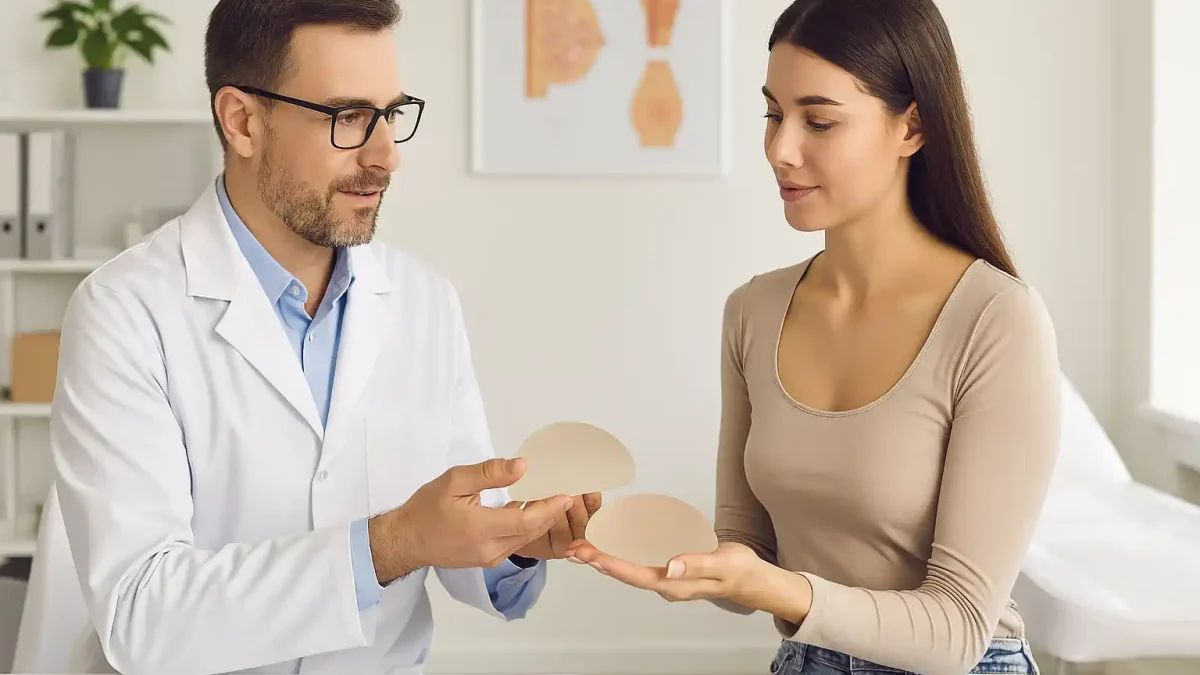
It is crucial to find an excellent specialist when you are looking for breast augmentation surgery or any other surgery. Plastic surgery has become popular, and many people are in the market to take advantage of the available demand. To avoid botched surgery, it is advisable to research and work with a specialist who is qualified and experienced in providing the best services.
In 2026, breast augmentation remains one of the most sought-after cosmetic procedures in the United States, with over 306,196 surgeries performed in 2024 alone, showing a steady 0.7% increase from the previous year. This growth reflects evolving patient preferences toward natural enhancements, driven by advancements in implant technology and a focus on long-term health. According to the American Society of Plastic Surgeons (ASPS), 98% of patients report satisfaction with their results, emphasizing the importance of choosing the right specialist to achieve subtle, proportionate outcomes. As trends shift toward smaller implants and hybrid techniques, selecting a board-certified surgeon with proven expertise is more critical than ever to ensure safety and aesthetic success.
Patients’ Recommendations
You would quickly get reliable information from a person who has received services from a breast augmentation specialist. By inquiring about the recommendations, you would be getting firsthand information. You can check out a specialist’s online platform and read their reviews or reach out to past patients. This gives you information about the services offered and even the breast augmentation cost .
In today’s digital age, patient recommendations extend beyond word-of-mouth. Platforms like RealSelf, Healthgrades, and ASPS member directories provide verified reviews and before-and-after photos. Look for specialists with high ratings (4.5+ stars) and detailed testimonials that discuss not just results but also bedside manner and follow-up care. For instance, patients in 2025 often highlight surgeons who prioritize natural-looking results, with 85% reporting their implant size as “just right.” Avoid red flags like consistent complaints about complications or poor communication. Additionally, join online forums or social media groups dedicated to cosmetic surgery to gather unfiltered insights from recent patients.
Schedule Consultation
You must schedule a visit whenever you settle for a break augmentation specialist. This way, you get to understand the services they offer and their communication style. Doing this lets you judge if a specialist can fully meet your needs. Most specialists are open to consultative visits, so research and settle for a qualified one.
During the consultation, prepare a list of questions to assess the surgeon’s approach. Ask about their experience with specific implant types, such as the new Motiva implants approved by the FDA in 2024, which emphasize safety and natural aesthetics. Evaluate how they use 3D imaging technology to simulate outcomes, a common practice in 2026 for personalized planning. Pay attention to how they address your body type, lifestyle, and goals—top surgeons will recommend sizes like 250-300cc for subtle enhancements rather than pushing for larger volumes. A good consultation should last at least 30-45 minutes, allowing time to discuss anesthesia options, incision techniques, and potential revisions. If the surgeon rushes or avoids questions, consider it a warning sign.
Costs
It is also crucial to research the costs of breast augmentation surgery. Different specialists charge different prices for their services; evaluate the services offered versus the costs and settle for one you feel is reasonable. Budgeting makes it easy for you to organize and plan your projects. Compare the different specialists’ prices to determine the breast augmentation cost.
As of 2025, the average surgeon’s fee for breast augmentation is $4,875, but total costs—including anesthesia, facility fees, and implants—often range from $6,000 to $12,000, varying by location and implant type. Urban areas like New York or Los Angeles may exceed $10,000, while Midwest regions average lower. Factor in additional expenses like post-op garments or follow-up visits. Beware of unusually low prices, which could indicate subpar materials or inexperience. Financing options through CareCredit or insurance (if reconstructive) can help manage costs. Always request a detailed breakdown to avoid hidden fees, and compare quotes from at least three board-certified surgeons.
Your Needs
Wouldn’t it be satisfying to get breast augmentation services that are tailored to meet your needs? Carefully research to find a qualified specialist who will meet your needs. Breast augmentation surgery is a sensitive matter, and it should be done to your liking.
By doing this, you will never have to regret your decision to undergo breast augmentation. Get that beautiful and natural look by choosing a surgeon to meet your needs.
Personalization is key in 2026, with 70% of patients opting for increases of just 1-2 cup sizes to align with their natural frame. Discuss your aesthetic goals—whether athletic, subtle, or restorative—and ensure the surgeon considers factors like skin elasticity, chest width, and activity level. For active individuals, subfascial placement might be recommended for better movement. If you’re post-pregnancy or weight loss, inquire about hybrid procedures combining implants with fat grafting for enhanced contouring. A surgeon attuned to your needs will provide realistic expectations, using tools like sizers during consultation to preview results.
Extensive Research
You must undertake extensive research to find a reliable and qualified specialist. Search for a board-certified surgeon who is experienced in breast augmentation. Services offered by inexperienced surgeons sometimes end up tragic; you do not want to make multiple visits to different surgeons due to a botched surgery. Through careful research, you will also find out about breast augmentation costs.
Expand your research to include the surgeon’s case volume—aim for those performing 100+ augmentations annually. Check state medical boards for any disciplinary actions and verify memberships in organizations like the ASPS or American Board of Plastic Surgery. Review published papers or presentations on emerging techniques, as top specialists often contribute to the field. In 2026, with rising demand for regenerative options, look for surgeons skilled in fat transfer, which saw a 19.6% increase in related procedures.
Board Certification and Credentials
Board certification by the American Board of Plastic Surgery (ABPS) is non-negotiable, ensuring the surgeon has completed rigorous training and adheres to ethical standards. In 2026, with over 365,000 annual procedures, certified surgeons report lower complication rates. Verify credentials via the ABPS website and check hospital privileges, as this indicates peer-reviewed competence. Look for fellowships in aesthetic surgery and ongoing education in trends like cohesive gel implants.
Latest Technology and Techniques
Advancements define 2026 breast augmentation. Surgeons using 3D imaging, like Vectra, allow precise planning. New implants, such as gummy bear silicone, offer 95% satisfaction for natural feel. Hybrid techniques blending implants with fat transfer are rising, providing customized results. Ask about minimally invasive options reducing recovery time.
Recovery and Aftercare Considerations
Post-surgery recovery typically spans 4-6 weeks, with most returning to work in 1-2 weeks. Surgeons providing detailed aftercare plans, including pain management and scar minimization, are ideal. In 2025, data shows 20% of patients replace implants within 8-10 years, so discuss longevity. Look for follow-up protocols to monitor for issues like capsular contracture.
Potential Risks and How to Mitigate Them
Risks include infection, implant rupture, or asymmetry, with rates under 5% for certified surgeons. Mitigation involves choosing experienced specialists and following pre-op instructions. Annual check-ups are recommended, especially with trends toward longer-lasting implants averaging 10-15 years.
Future Trends in Breast Augmentation for 2026 and Beyond
Looking ahead, 2026 emphasizes preservation and regeneration, with GLP-1 makeovers and bouncing back augmentations. Fat grafting conversions and internal bra lifts are gaining traction for natural, athletic looks. Smaller implants and anatomy-first approaches will dominate, focusing on wellness and subtlety.
Conclusion
Selecting a qualified and reliable specialist requires thorough research, listening to reviews, and comparing costs. By doing this, you will get a specialist who will be confident about the services that you will get. The only way to achieve that beautiful look is by investing your time in research and finding an excellent specialist. Compile a list of specialists and choose one you’ll be confident with. In 2026, prioritize board-certified experts embracing natural trends for optimal, long-lasting results. Consult a professional today to start your journey toward enhanced confidence.
FAQs
What qualifications should I look for in a breast augmentation specialist?
Seek board certification from the American Board of Plastic Surgery, at least 5-10 years of experience in breast procedures, and membership in ASPS. Review their case portfolio and patient testimonials to ensure they specialize in natural enhancements.
How much does breast augmentation cost in 2026?
Average surgeon fees are around $4,875, with total costs ranging $6,000-$12,000 including implants and facility fees. Prices vary by location and technique; always get a detailed quote and explore financing options like CareCredit.
What are the latest trends in breast augmentation for 2026?
Trends include smaller, natural-looking implants (250-300cc), hybrid fat transfer procedures, and subfascial placement for better movement. Focus is on regeneration and subtle results, with 98% patient satisfaction reported by ASPS.
How long is recovery after breast augmentation surgery?
Most patients return to light activities in 1-2 weeks, with full recovery in 4-6 weeks. Follow surgeon’s aftercare for pain management and scar care; avoid heavy lifting to minimize risks like capsular contracture.
What risks are associated with breast augmentation?
Common risks include infection, implant rupture, or asymmetry, occurring in under 5% of cases with certified surgeons. Mitigation involves pre-op screening, annual check-ups, and choosing experienced specialists for lower complication rates.
Disclaimer: This article provides general information on selecting a breast augmentation specialist and is not a substitute for professional medical advice. Consult a board-certified plastic surgeon for personalized recommendations. Always verify credentials and discuss risks before proceeding with any procedure.


