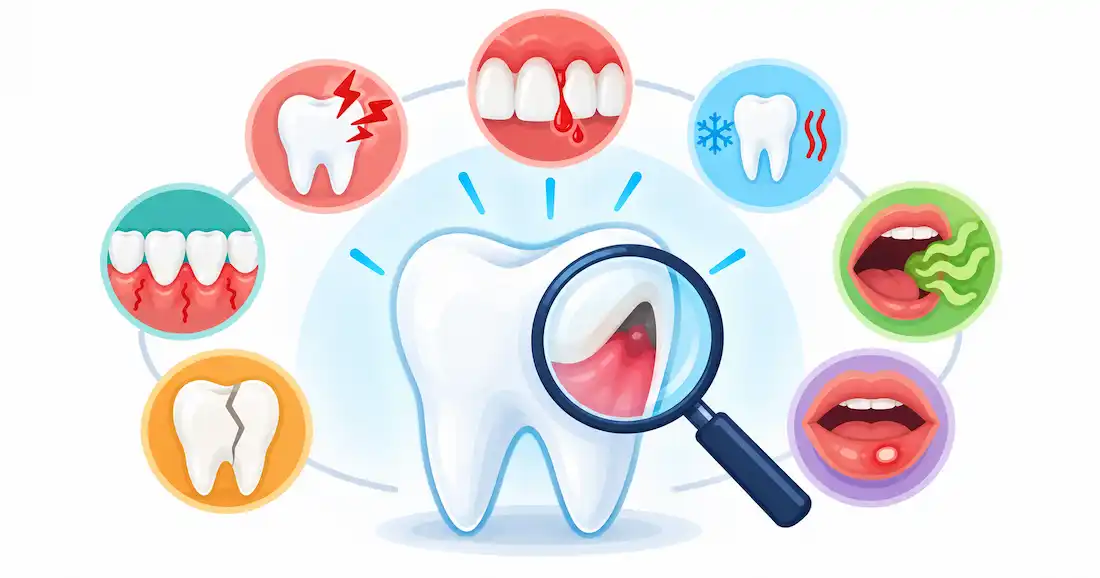
Your mouth is one of the most expressive parts of your body, and not just because of the words that come out of it. It sends signals every single day, and a surprising number of people brush those signals off as no big deal. A twinge here, a little bleeding there, bad breath you chalk up to coffee. The problem is that small symptoms have a habit of turning into big, expensive problems when you let them ride too long.
In many cases, your body sends subtle warning signs long before a serious issue develops. The challenge is that many people dismiss these early symptoms as temporary discomfort or something that will resolve on its own. Ignoring small oral health issues can allow them to progress into more complex problems that require more extensive treatment.
The good news is that most serious dental problems are highly preventable when you catch them early. Below are seven warning signs that should push you off the fence and into the dental chair sooner rather than later.
1. A Toothache That Sticks Around for More Than a Day or Two
Pain is your body’s alarm system, and tooth pain is no exception. A momentary sting when you bite into something cold is one thing, but persistent tooth pain is a completely different conversation.
A persistent toothache is a clear sign that something is wrong. Temporary discomfort can sometimes be managed with over-the-counter pain relief, but a toothache lasting more than a day or two should not be ignored. Toothaches can result from cavities, infections, gum disease, or even a cracked tooth.
Waiting it out rarely works. The underlying cause almost always gets worse, and what might have been a simple filling can turn into a root canal or extraction if you delay. If your tooth has been aching for multiple days in a row, that is your cue to book an appointment.
2. Gums That Bleed When You Brush or Floss
A lot of people see a little pink in the sink after brushing and think nothing of it. But healthy gums do not bleed. Bleeding is a symptom, not a quirk of your brushing technique.
If you notice redness, swelling, tenderness, or bleeding, it could be an early sign of gum disease. Left untreated, gum disease can progress into periodontitis, which may lead to bone loss and even tooth loss.
Gums that ache or bleed may be the result of gum disease that is getting worse. Gum disease is often more severe in people with underlying conditions such as diabetes, which reduces the body’s resistance to infection.
The connection between gum disease and the rest of your body is well-documented. Significant associations between oral health status and a number of systemic diseases have been established, including cardiovascular diseases, Alzheimer’s disease and dementia, obesity, diabetes and metabolic disorders, rheumatoid arthritis, and several cancers. Treating gum problems early is not just about protecting your smile. It is about protecting your overall health.
3. Tooth Sensitivity That Keeps Coming Back
Sensitivity to hot and cold is extremely common, which is exactly why so many people assume it is normal and move on. The truth is, recurring sensitivity that does not go away on its own deserves a professional look.
Tooth pain that lingers or sensitivity that keeps returning is not something to ignore. Whether it is a dull ache or a sharp sting when drinking cold beverages, this discomfort could point to underlying problems such as cavities, worn enamel, or an infection. Early intervention can mean a simple filling instead of a root canal.
Persistent sensitivity, especially coupled with pain, might suggest cavities or infection, which require immediate attention. Early detection and treatment of such sensitivity can prevent complications like advanced decay or abscesses.
A good rule of thumb is this: if you are changing what you eat or drink to avoid the pain, your mouth is telling you something important.
4. Persistent Bad Breath or a Constant Unpleasant Taste
Everyone has morning breath. That is just biology. But bad breath that lingers all day, no matter how often you brush, is a different story entirely.
Occasional bad breath is common, but persistent bad breath (halitosis) or a constant unpleasant taste can indicate an underlying dental issue like gum disease, cavities, or infections.
Chronic bad breath can also be connected to dry mouth, which creates its own set of risks. Chronic dry mouth, or xerostomia, can lead to several oral health issues, including an increased risk of cavities, gum disease, and bad breath. It can be caused by certain medications, medical conditions, or dehydration.
The bottom line here is that if mints and mouthwash are your daily survival tools and the problem still comes back, it is time to let a dentist figure out what is actually going on underneath the surface.
5. Mouth Sores That Do Not Heal Within Two Weeks
Canker sores are painful, annoying, and totally normal. Most of them disappear within a week or so without any treatment. When a sore sticks around longer than that, the situation changes.
Occasional mouth sores are common. However, sores that last longer than two weeks should be evaluated by a dental professional.
Occasional mouth sores are common, but if they persist for more than a week or two, they could be more serious. Non-healing lesions might signal an infection, irritation from dental appliances, or even early signs of oral cancer. A dentist is trained to recognize which sores are routine and which need a closer look.
Oral cancer screenings are a routine part of a dental checkup at practices that offer them. Catching a suspicious lesion early makes an enormous difference in outcomes, so do not let a stubborn sore sit untreated for weeks on end.
6. Jaw Pain, Clicking, or Difficulty Opening Your Mouth
If your jaw clicks, pops, or aches when you eat or talk, you might be dealing with more than just tension. These are classic signs of temporomandibular joint (TMJ) problems, and they are worth taking seriously.
Jaw pain, especially if it is accompanied by clicking, popping, or difficulty opening and closing your mouth, can be a sign of temporomandibular joint disorder (TMJ). TMJ can cause significant discomfort and interfere with daily activities like eating and speaking. A dentist can diagnose TMJ and recommend treatments such as bite guards, physical therapy, or other interventions to alleviate the pain.
Beyond TMJ, jaw pain can occasionally signal something more serious. Pain or discomfort in the jaw can mean that you are having a heart attack. While that connection sounds alarming, it is a real reason to get jaw pain checked out promptly rather than writing it off as stress or a bad night’s sleep.
A dentist can quickly rule out or confirm dental causes. And if the issue turns out to be something else, they will point you in the right direction.
7. Loose Teeth or Noticeable Changes in Your Bite
Adult teeth are not supposed to shift or feel loose. If you notice that something feels different when you bite down, or a tooth seems to have moved, that is a sign of a problem that needs professional attention right away.
Teeth that move or fall out unexpectedly are a sign of advanced gum disease. Tooth loss can also be one of the early signs of osteoporosis, which decreases bone density and weakens your bones.
Changes in your bite can also be a sign that old dental work is failing, that a crack has developed in a tooth, or that bone loss from untreated periodontal disease has progressed further than expected. None of these situations improve on their own.
Reaching out to a qualified dental professional when you notice this kind of change is one of the most important things you can do. If you are located in British Columbia and looking for experienced, compassionate care, a trusted dentist in kelowna can evaluate what is happening and recommend the right path forward before the situation becomes more complex.
The research backs up how critical this step is. Even if you are not experiencing pain, routine dental checkups remain one of the best ways to prevent serious oral health problems. Professional cleanings remove plaque and tartar that brushing alone cannot eliminate, while regular exams allow your dentist to detect cavities, gum disease, and other concerns before they become larger issues. Preventive care often saves patients time, money, and discomfort in the long run.
The Bigger Picture: Your Mouth and Your Body Are Connected
It is easy to think of dental health as separate from your general health, but the science does not support that view. Nearly 9 in 10 diseases can cause symptoms in your mouth. That puts your dentist on the front line for spotting serious health conditions developing silently in your body.
Research published in Scientific Reports found statistically significant associations between oral and systemic health conditions, including a moderate association between periodontitis and diabetes. Separate research published on PubMed Central highlights that oral health connections extend to diabetes, cardiovascular diseases, rheumatoid arthritis, and respiratory diseases, with key mechanisms including inflammation, microbial dysbiosis, oxidative stress, and immune dysregulation.
The American Dental Association reinforces this point clearly, noting that you cannot be healthy without oral health. The two are not separate systems. What happens in your mouth genuinely affects the rest of you.
And according to WebMD, it is important to see your dentist at least two times a year for dental cleanings and checkups. That schedule gives your dentist the chance to catch early warning signs before they turn into something harder to treat.
Wrapping Up
Your mouth rarely lies. A persistent ache, bleeding gums, a sore that will not heal, or a tooth that feels loose are all signals worth listening to. Many dental problems begin with subtle symptoms that are easy to dismiss. A little sensitivity here, occasional bleeding while brushing there, it may not seem like a big deal. Unfortunately, these minor issues can develop into more serious conditions if left untreated. Knowing when to see a dentist can make all the difference in protecting your oral health, preventing unnecessary pain, and avoiding more expensive treatments down the road.
You do not have to wait until something feels unbearable to take action. The seven warning signs covered above are your guide. If any of them sound familiar, put a call in to your dental office this week. The earlier you address what is happening, the simpler and less costly the solution tends to be.
| Warning Sign | Possible Cause | Why You Should Not Wait |
|---|---|---|
| Persistent toothache | Cavity, infection, cracked tooth | Simple fillings can become root canals if delayed |
| Bleeding gums | Gingivitis, gum disease | Can progress to bone and tooth loss |
| Recurring tooth sensitivity | Worn enamel, decay, abscess | Early treatment prevents more invasive procedures |
| Chronic bad breath | Gum disease, cavities, dry mouth | May signal infection or underlying health issue |
| Sores lasting over two weeks | Infection, irritation, oral cancer risk | Early screening dramatically improves outcomes |
| Jaw pain or clicking | TMJ disorder, stress, systemic issue | Can worsen and interfere with eating and speaking |
| Loose teeth or bite changes | Advanced gum disease, bone loss | Tooth loss becomes a real possibility without care |