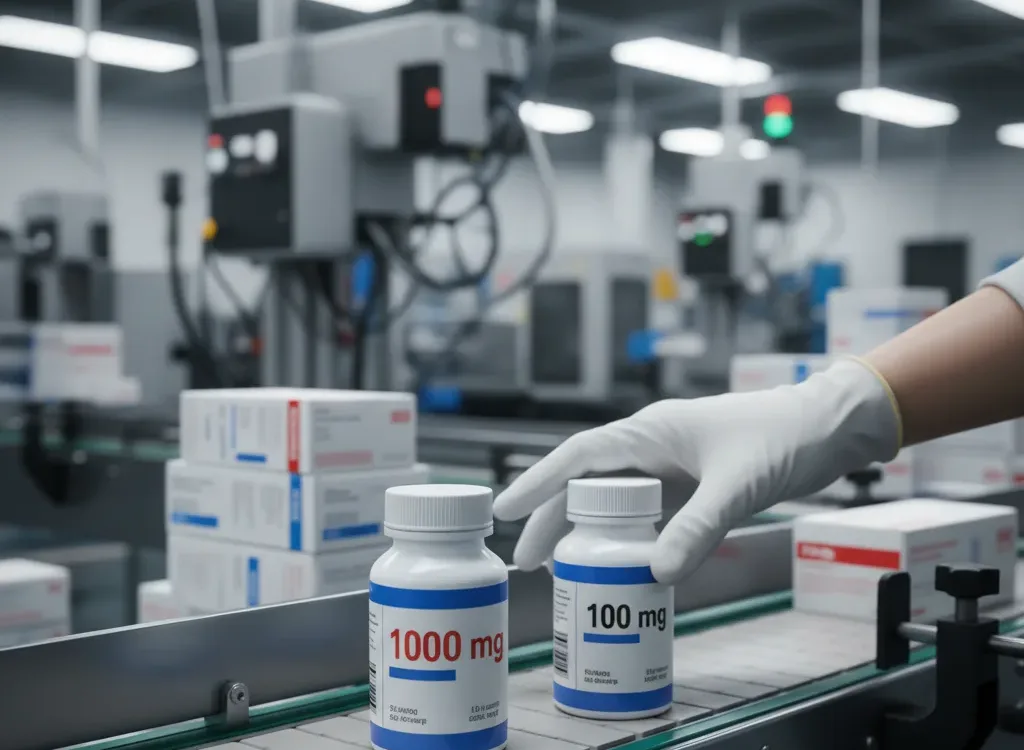
In 2025, a leading pharmaceutical manufacturer recalled 2.3 million units of a blood-pressure medication after a packaging error misstated the dosage by a factor of 10. The direct cost exceeded $18 million, and the brand lost 14% market share within six months. That single failure — a line of text misplaced during artwork approval — did more damage than any competitive launch. It also explains why Best Practices In Artwork Flow Management have moved from a back-office concern to a boardroom priority. The difference between a routine product launch and a catastrophic recall often hinges on how well an organization manages the journey from creative concept to print-ready file.
The Hidden Costs of Manual Artwork Reviews
Most companies still route packaging artwork through email chains, shared drives, and PDF annotations. A 2026 survey by Esko, a packaging software provider, found that 67% of consumer goods firms experience at least one artwork-related delay per quarter, with each delay costing an average of $12,400 in lost time and rushed shipping. The bigger danger, though, is error propagation. When a reviewer marks up a low-resolution PDF, the designer must manually transfer those notes — a process that introduces new mistakes 8% of the time, according to internal data from workflow platform Ziflow.
These delays compound across markets. A multinational brand launching a shampoo in 40 countries must produce hundreds of label variants, each with local language, regulatory symbols, and barcode placements. Without structured workflows, version chaos becomes inevitable. One European cosmetics company discovered that three different teams were simultaneously editing the same artwork file, each unaware of the others’ changes. The resulting confusion delayed a €4 million campaign by six weeks.
Why Fragmented Tools Sabotage Consistency
Artwork creation involves a chain of specialized applications: Adobe Illustrator for design, Excel for ingredient lists, SAP for product data, and email for approvals. Each handoff introduces a point of failure. A 2026 study by analyst firm LNS Research found that companies using disconnected tools for artwork management experience 2.3 times more label errors than those with integrated platforms. The root cause is data duplication: a regulatory change in one market must be manually copied into every affected file, and something is always missed.
This fragmentation also makes it nearly impossible to enforce brand standards. A multinational food company found that its logo appeared in 17 different shades of red across its packaging portfolio, simply because no single source of truth existed. Managing digital assets for brand consistency demands that every stakeholder pulls from the same approved library — not from a local hard drive.
Using Best Practices In Artwork Flow Management: A Three-Phase Framework
Organizations that successfully reduce artwork errors follow a repeatable pattern. The framework begins with centralization: housing all artwork files, fonts, and color profiles in a single cloud-based system. This eliminates version duplication and gives every reviewer a real-time view of the latest file. The second phase is automated comparison — using software that detects textual, graphical, and barcode differences between versions without human scanning. The third phase is conditional routing, where the system automatically sends artwork to the correct regulatory, legal, and marketing reviewers based on product type and market.
These three elements form the core of Best Practices In Artwork Flow Management. When a U.S.-based medical device company adopted this framework in early 2025, it cut its average approval cycle from 18 days to 4 days and reduced labeling errors by 92% in the first year. The key was not faster people — it was removing the 14 manual handoffs that previously existed between design and print.
Automating Proofing Without Losing Creative Control
A persistent myth is that automation strips away creative judgment. The reality is the opposite: automated proofing tools handle the mechanical checks — barcode readability, text reflow, color separation — freeing human reviewers to focus on aesthetic and strategic decisions. Tools like GlobalVision and Esko’s ArtPro+ now run 200+ automated checks on a file in under 30 seconds, flagging discrepancies that a human eye would likely miss.
One packaging director at a major distillery described the shift this way: “Before automation, I spent 70% of my time squinting at fine print. Now I spend that time evaluating whether the bottle design actually communicates the brand’s premium positioning.” Building prototypes with AI-assisted tools has similarly demonstrated how machine intelligence augments rather than replaces human creativity — the same principle applies to artwork approval.
How Regulatory Compliance Shapes Artwork Workflows
In pharmaceuticals, medical devices, and food, artwork is a legal document. The FDA issued 48 warning letters in 2025 for labeling violations, up from 31 in 2024. Each letter can trigger a product seizure, a consent decree, and a permanent erosion of consumer trust. Best Practices In Artwork Flow Management in regulated industries must therefore incorporate compliance gates at every stage. A typical pharmaceutical label passes through seven mandatory review stages: regulatory affairs, medical, legal, quality assurance, marketing, country manager, and final artwork sign-off.
The challenge is that these reviewers are scattered across time zones and departments. A cloud-based workflow with role-based permissions ensures that a marketing manager in Singapore cannot accidentally approve a label that hasn’t cleared legal in Switzerland. One global vaccine producer used a workflow where any change to the “active ingredient” field automatically triggered a re-review by all seven parties — a rule that caught a potentially disastrous typo three days before print.
Selecting the Right Digital Asset Management (DAM) System
Not all DAM systems are built for artwork management. A generic DAM might store final files but lack version comparison, annotation tools, or regulatory audit trails. When evaluating a system for Best Practices In Artwork Flow Management, three capabilities matter most: visual compare (side-by-side overlay of two artwork versions), metadata-driven search (find all labels containing a specific allergen warning), and compliance logging (an immutable record of every view, comment, and approval).
Leading platforms like Esko WebCenter, Ziflow, and Aprimo have tailored modules for packaging artwork. A mid-sized contract manufacturer reported that switching from a generic cloud storage tool to a purpose-built artwork DAM reduced its time-to-market for private-label products by 35%. The investment paid for itself in two quarters through avoided rush charges alone. Mastering software development workflows offers similar lessons: the right tooling, matched to the specific task, is never a cost center — it’s a competitive weapon.
Measuring Success: KPIs for Artwork Flow Management
Without clear metrics, improvement stalls. The most effective teams track four key performance indicators: cycle time (from brief to final approval), error rate (number of revisions caused by mistakes versus creative changes), first-time-right percentage (artwork approved with zero corrections), and cost per artwork version (total labor and delay costs divided by number of versions). A 2026 benchmarking study by the Packaging Workflow Council found that top-quartile performers achieve a first-time-right rate above 82%, while bottom-quartile companies languish below 45%.
These metrics also announce hidden bottlenecks. When a beverage company analyzed its cycle time data, it discovered that the legal department was taking an average of 7.2 days per review — three times longer than any other group. The fix was not to pressure legal but to provide pre-approved template clauses, which cut legal review time to 1.5 days without increasing risk. Best Practices In Artwork Flow Management treat such data not as a stick but as a diagnostic tool.
Building a Cross-Functional Artwork Approval Workflow
The most resilient workflows involve stakeholders from the start, not as a final gate. When a packaging designer sits down with regulatory and manufacturing teams during the concept phase, the resulting artwork requires 40% fewer revision cycles, according to internal data from a Fortune 500 consumer goods company. Early collaboration surfaces constraints — such as a barcode that must sit on a specific panel to be scannable on a high-speed line — before they become expensive redesigns.
Technology alone cannot fix a broken process. Best Practices In Artwork Flow Management demand that organizations map their current workflow, identify every handoff, and then design a future state that reduces those handoffs by at least half. Cloud-based collaboration tools enable this by giving all parties simultaneous access to the same file, with version control that prevents overwrites. The result is a process that feels faster not because anyone is rushing, but because waiting has been engineered out.
The companies that treat artwork flow as a strategic discipline — not a clerical afterthought — are the ones that launch on time, stay on shelf, and avoid the kind of recall that makes headlines. The framework is clear: centralize assets, automate mechanical checks, enforce compliance gates, and measure relentlessly. Those steps constitute the Best Practices In Artwork Flow Management that separate market leaders from those still explaining why a decimal point cost them millions.