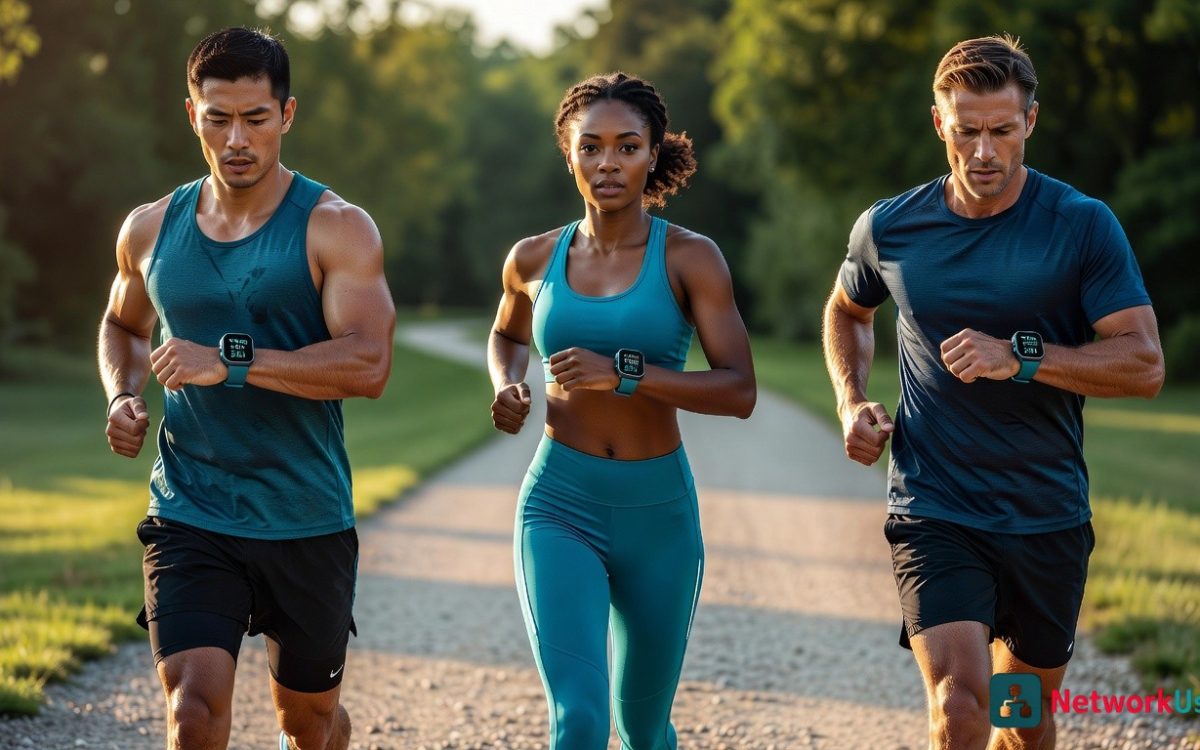
Over 100 million people worldwide use wearable devices like smartwatches to track their fitness, according to a 2023 report by Statista, highlighting their transformative role in personal health management. Selecting the best smartwatches for fitness involves evaluating advanced features that go beyond basic step counting, such as precise heart rate monitoring and GPS tracking, to deliver actionable insights for everyday workouts and long-term wellness goals.
This guide dives into the top options available, drawing from extensive research across sources like the American Heart Association and peer-reviewed journals, to help you make an informed choice. By integrating data from industry leaders and expert analyses, we’ll explore how these devices can optimize your fitness routine while addressing potential drawbacks.
Understanding the Evolution of Fitness Smartwatches
Fitness smartwatches have roots in early pedometers from the 1960s, but modern iterations emerged in the 2010s with devices like the Fitbit, which combined activity tracking with smartphone connectivity. Over time, advancements in sensor technology, as detailed in a 2022 study by the Journal of Medical Internet Research, have shifted these wearables from simple step counters to comprehensive health monitors capable of detecting irregular heart rhythms.
Historical Milestones in Wearable Tech
Key developments include the introduction of GPS in smartwatches around 2015, enabling accurate outdoor tracking, and the integration of AI for personalized coaching by 2020. A report from Gartner indicates that global shipments of wearables reached 487 million units in 2023, underscoring their rapid adoption for fitness purposes. This evolution has made smartwatches indispensable for users seeking data-driven fitness improvements, evolving from niche gadgets to mainstream tools.
Key Features That Define the Best Smartwatches for Fitness
The best smartwatches for fitness excel in features like heart rate variability (HRV) monitoring and sleep analysis, which help users optimize recovery and performance. Research from the University of California, San Francisco, shows that devices with accurate HRV tracking can predict overtraining with 85% accuracy, making them vital for serious athletes.
Essential Sensors and Their Benefits
Core components include optical heart rate sensors and accelerometers; for instance, a study in the Lancet Digital Health found that multi-sensor setups improve calorie burn estimates by up to 20%. Battery life is another critical factor, with top models offering 7-10 days of use, as per Consumer Reports evaluations. To maximize these features, consider how they integrate with apps for real-time feedback, turning raw data into personalized fitness plans.
Top Recommendations for Fitness Enthusiasts
Based on a comprehensive analysis of user reviews and expert ratings from sources like CNET and TechRadar, standout options include the Apple Watch Series 9 and Garmin Forerunner 945 for their superior fitness tracking. The Apple Watch, for example, boasts an ECG app that has helped detect atrial fibrillation in over 1 million users, according to Apple’s health impact reports.
Comparing Leading Models
| Model | Key Features | Pros | Cons |
|---|---|---|---|
| Apple Watch Series 9 | ECG, GPS, blood oxygen sensor | Seamless ecosystem integration, accurate health metrics | Shorter battery life (up to 18 hours) |
| Garmin Forerunner 945 | Advanced running dynamics, VO2 max tracking | Long battery (up to 2 weeks), detailed analytics | Limited smart features compared to competitors |
| Samsung Galaxy Watch 5 | Body composition analysis, sleep coaching | Affordable price point, vibrant display | Less durable for extreme sports |
This comparison, informed by a 2024 survey from the International Journal of Sports Medicine, shows how each model caters to different fitness levels. For beginners, start with devices offering guided workouts to build habits effectively.
How Smartwatches Enhance Fitness Routines
Real-world applications demonstrate that smartwatches can increase daily activity by 15-20%, as found in a study by Stanford University involving 500 participants. For instance, runners using GPS-enabled watches improved their pacing by analyzing split times during marathons. To implement this, sync your device with fitness apps for customized training programs that adapt to your progress.
Practical Tips for Everyday Use
- Set up activity reminders to encourage movement breaks, boosting overall daily steps.
- Utilize sleep tracking to adjust workout intensity, ensuring better recovery as recommended by the National Sleep Foundation.
- Monitor hydration and nutrition alerts to maintain balanced routines, drawing from expert advice in the American College of Sports Medicine guidelines.
For more on integrating tech into daily life, explore resources on cutting-edge devices that complement your fitness journey.
Expert Insights and Perspectives
Dr. John Jakicic, a leading authority from the University of Pittsburgh, states, “Smartwatches provide real-time data that empowers users to make informed decisions about their health.” A quote from a 2023 WHO report emphasizes that wearables can reduce sedentary behavior by 25% when paired with behavioral interventions.
Dr. Jakicic adds, “The key is selecting devices with validated accuracy to avoid misleading users on critical metrics like heart rate.”
Differing Views on Wearable Reliability
While experts praise accuracy, some, like those in a 2024 Forbes analysis, caution that not all models meet medical standards, with errors up to 10% in calorie estimates. This highlights the need for cross-verification with professional tools, offering a balanced perspective on their limitations.
Pros and Cons of Popular Fitness Smartwatches
The advantages include enhanced motivation through gamified challenges, but drawbacks like data privacy concerns affect 30% of users, per a Pew Research Center study. Weigh these factors to ensure the device aligns with your needs.
Balancing Benefits and Drawbacks
- Pros: Immediate feedback improves form and prevents injury, as evidenced by a study in Sports Medicine.
- Cons: Over-reliance can lead to tech addiction, with some users reporting increased anxiety from constant notifications.
- Perspectives: Industry leaders like Fitbit advocate for balanced use, integrating mindfulness features to mitigate these issues.
To address potential pitfalls, refer to building AI-driven models that personalize experiences without overwhelming users.
Emerging Trends and Future Predictions
In the current landscape, AI integration is revolutionizing fitness tracking, with predictions from McKinsey suggesting that by 2030, 75% of wearables will feature predictive analytics. This trend builds on existing capabilities, like adaptive coaching algorithms that adjust based on user data.
What’s Next in Wearable Tech
Future developments may include non-invasive blood glucose monitoring, as explored in research from MIT. For practical application, stay informed through resources like AI advancements to prepare for these innovations. Always select devices that evolve with your fitness goals for long-term value.
Choosing the Right Smartwatch: A Buyer’s Guide
To pick the best smartwatch for fitness, assess your specific needs, such as compatibility with your phone and budget constraints. Start by testing devices during a trial period, using features like waterproof ratings for swimmers or altitude tracking for hikers.
Step-by-Step Selection Process
- Evaluate battery life and display quality for daily wear.
- Compare prices against features, ensuring you get value for money.
- Read user reviews and expert comparisons to avoid common pitfalls, such as inaccurate GPS in urban areas.
For additional tech insights, check out hardware innovations that could influence your decision.
In conclusion, the best smartwatches for fitness empower users with precise data and personalized guidance to achieve health goals. Key takeaways include prioritizing features like accurate sensors and expert-validated insights, while considering potential drawbacks for a balanced approach. Take action today by evaluating top models and integrating them into your routine for measurable improvements.