Introduction
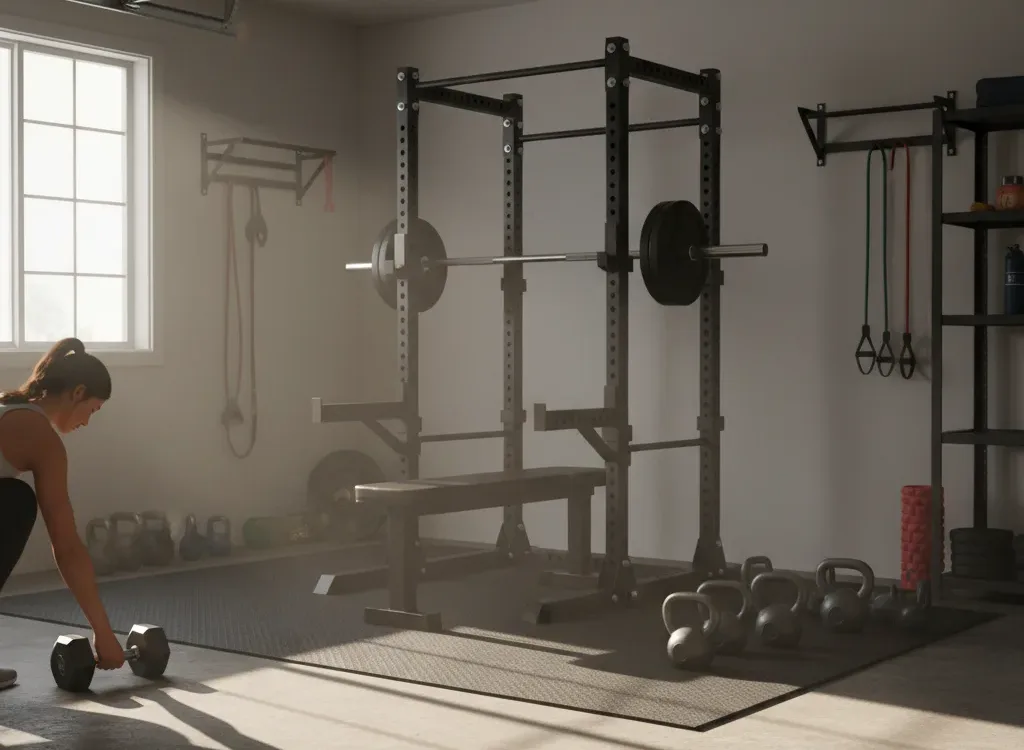
If you’re serious about strength training but tired of fighting for equipment at crowded gyms, setting up a home workout space might be exactly what you need.
A dedicated home gym removes barriers like travel time, membership costs, and scheduling conflicts. The good news? You don’t need an entire warehouse of equipment to get results.
With the right foundational pieces, you can build genuine strength and muscle from your garage or spare room. This guide walks you through creating a functional, practical home gym that actually gets used.
Key Takeaways
Start with essential equipment rather than accumulating dozens of specialized pieces
A solid weight bench is foundational for upper body strength work
Proper setup and recovery routines are just as important as the equipment itself
Most home gyms can be built gradually based on your budget and goals
Space doesn’t have to be a limiting factor with smart equipment choices
Creating Your Foundation: What You Actually Need
Most beginners overcomplicate their home gym setup. You see influencers with wall-mounted racks and custom flooring, and it feels overwhelming.
The truth is simpler: focus on equipment that covers multiple exercises and delivers real results.
Start by honestly assessing your goals. Are you chasing strength gains, muscle growth, general fitness, or athletic performance? Your answer shapes everything else.
A powerlifter needs different equipment than someone focused on functional fitness or hypertrophy.
The Role of a Solid Weight Bench in Your Routine
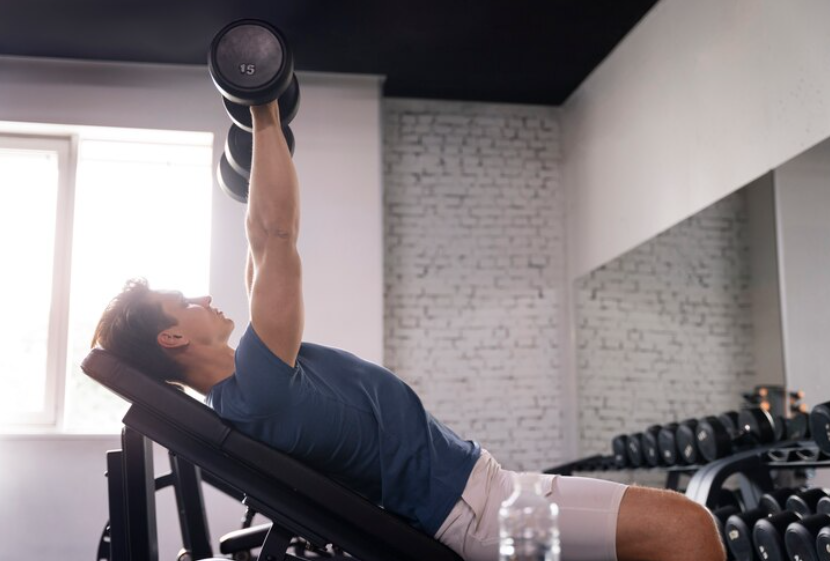
Here’s where bench work becomes non-negotiable for serious strength training. A quality weight bench isn’t just for flat pressing. It serves as your anchor point for dozens of upper body movements: incline presses, dumbbell work, seated shoulder exercises, and more.
Think about how much pressing and upper body volume you can actually accomplish without proper support.
The difference between training on an unstable surface versus a quality bench is massive for both safety and performance. Your stabilizer muscles don’t need to compensate, your joints stay properly aligned, and you can focus entirely on the movement.
When you’re lifting heavy, these details compound into safer, stronger progress.
That’s where gym benches become essential. They come in different styles, flat, adjustable, foldable, and specialized competition models. Adjustable options give you versatility, letting you hit incline and decline angles for complete chest and shoulder development.
Fixed benches tend to be more stable and durable, making them ideal if space and budget allow.
Building Out From There: Complementary Equipment
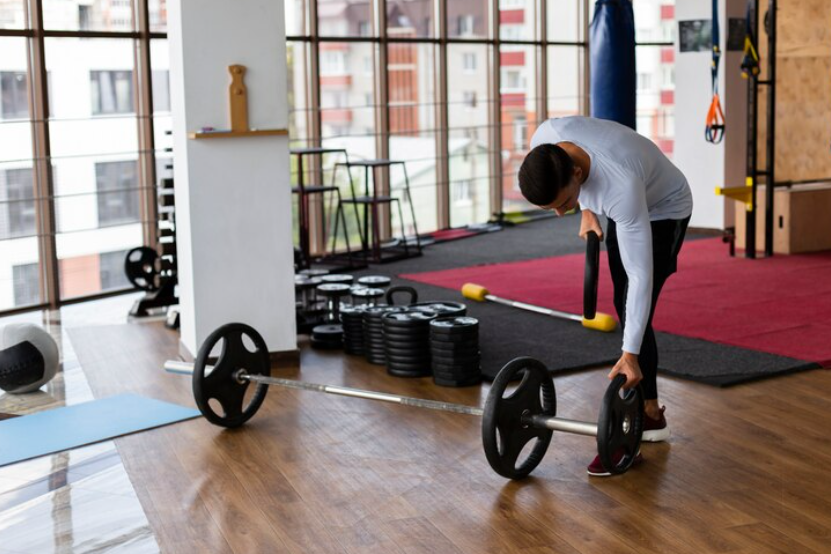
Once you’ve invested in a solid bench, other pieces fall into place naturally. Dumbbells and barbells work beautifully with bench training. Resistance bands add variety and joint-friendly training options.
A pull-up bar or cable system rounds out your pressing with pulling movements, creating balanced muscle development.
Many people make the mistake of buying random equipment without thinking about programming.
A bench paired with dumbbells and a barbell covers roughly 80 percent of movements you’d ever need. Add one pulling movement, and you’re essentially complete.
Consider your space constraints early. A foldable bench might be perfect if you’re tight on room, while dedicated lifters with garage space can commit to a full-sized competition model.
Flooring matters too, protective mats prevent damage and absorb noise, which matters if you’re training early or in an apartment.
Recovery and Consistency Beat Equipment Complexity
This is where many home gym owners fail: they accumulate equipment but don’t establish training habits. A minimal space with consistency outperforms a fancy setup gathering dust.
Your environment influences behavior. If your gym is cluttered or uninviting, you’ll skip workouts. Make your space pleasant. Good lighting, adequate ventilation, and clean organization cost little but change everything.
Play music. Keep water nearby. Make it a place you actually want to spend time.
Recovery deserves equal attention to equipment. Sleep, nutrition, and stress management matter more than whether you have advanced cable machines.
Progressive overload (adding weight, reps, or difficulty over time) drives results, and you can accomplish that with basic equipment done well.
Budgeting and Building Gradually
Most people don’t have cash for everything at once. Build thoughtfully. Your first purchase should deliver maximum value and versatility.
A bench and dumbbells or a barbell setup? Either works, depending on your goals and space.
Quality matters more than quantity at the equipment level. A single quality bench lasts decades. Cheap benches feel unstable and wear quickly.
Consider used equipment from reputable sellers to stretch your budget. Many people buy in enthusiasm and sell six months later at decent prices.
Plan for one to two years of gradual additions rather than expecting completeness immediately. This approach also lets you discover what you actually use versus what sounded cool in theory.
That expensive leg press machine gathering dust in someone’s garage is a cautionary tale worth remembering.
Learning Proper Form From the Start
Equipment is only as good as the knowledge backing it up. Poor form limits your results and creates injury risk. Invest in quality coaching or educational resources alongside equipment.
Video form checks, training programs, and progressive overload principles matter far more than advanced equipment.
Someone using a basic bench with perfect form beats someone randomly moving expensive machines around.
Frequently Asked Questions
Do I really need a bench for strength training?
For upper body pressing strength, yes. A bench supports proper positioning, allows progressive loading, and enables dozens of chest, shoulder, and tricep variations. You can do some training without one, but you’re limiting your potential significantly.
What’s the difference between a $200 bench and a $1000 bench?
Build quality, stability, and adjustability. Expensive benches use better materials, adjust more smoothly, and last longer. Mid-range options often offer the best value: solid construction without unnecessary luxury features.
How much space do I actually need?
Roughly 10×10 feet gives you comfortable room for most movements. Smaller spaces work with creative equipment choices like foldable benches and adjustable dumbbells. Vertical space matters too for pull-up bars and overhead movements.
Should I buy everything at once?
No. Start with two or three pieces delivering maximum value, then add gradually based on your training results and actual usage patterns. This approach saves money and helps you discover what equipment aligns with your actual fitness journey.
How do I maintain my bench long-term?
Regular cleaning, occasional bolt tightening, and proper storage prevent most issues. Quality benches need minimal maintenance beyond basic care.
Wrapping Up: Your Home Gym Journey
Building a home strength training setup doesn’t require complexity or excessive spending. It requires thoughtful planning, quality foundational equipment, and genuine commitment to using it.
Start with the essentials, train consistently, and add strategically.
Your strength gains come from effort and smart programming, not equipment abundance. A dedicated person with a bench, dumbbells, and a pull-up bar builds impressive strength.
An uncommitted person with $50,000 worth of equipment builds nothing.
Focus on creating an inviting space you’ll actually use, invest in foundational pieces that handle multiple movement patterns, and commit to progressive training. That approach builds real results.
For more insights on building effective training routines, check out our guide Home Workouts with the best All-in-One equipment.