Networking
CCNA tutorials, Cisco guides, and enterprise networking insights for IT professionals.
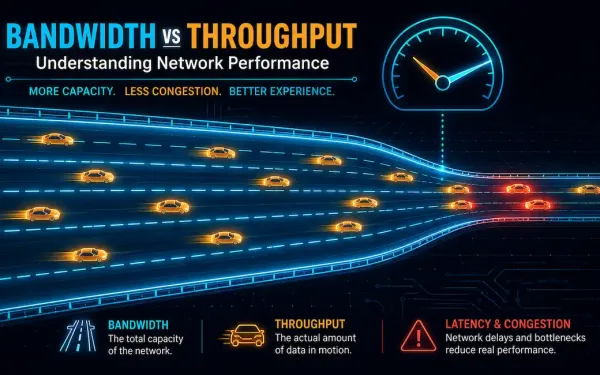
Bandwidth vs. Throughput: Understanding the Key Differences in Networking
Bandwidth and throughput get used interchangeably all the time. They shouldn’t be. Whether you’re streaming 4K video, running a cloud application, or setting up a home network, knowing the difference actually matters. This article covers both terms in depth, with real examples, real tools to measure them, and the actual math behind why throughput almost...
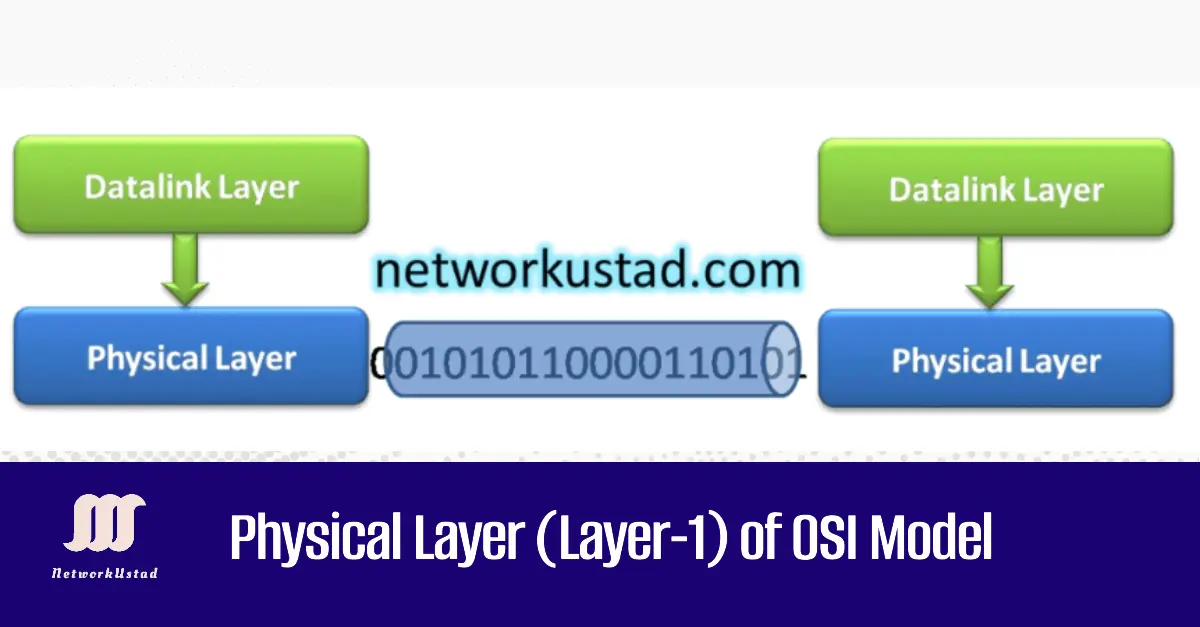
Physical Layer (Layer-1) of OSI Model
The Physical Layer is the lowest layer of the OSI Model. It provides the resources to transport the bits that comprise a data link layer frame across the network media. This layer accepts a complete frame from the data link layer and encodes it as a series of signals transmitted to the local press, as shown...
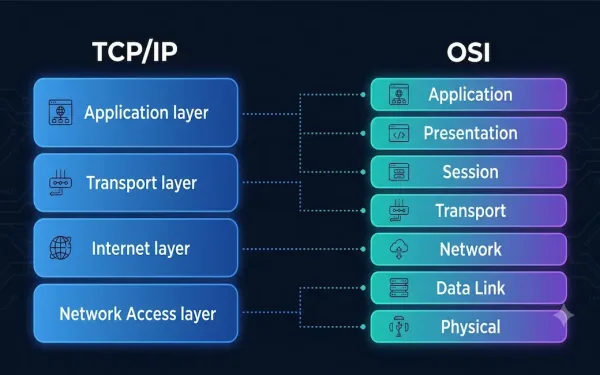
TCP/IP vs OSI Model: A Layer-by-Layer Comparison (2026)
The TCP/IP and OSI models are the two frameworks used to describe how data travels across a network. They cover the same job, breaking communication into layers, but they approach it differently. The key distinction is simple: OSI is a conceptual reference model used mainly for teaching and design, while TCP/IP is the practical protocol...
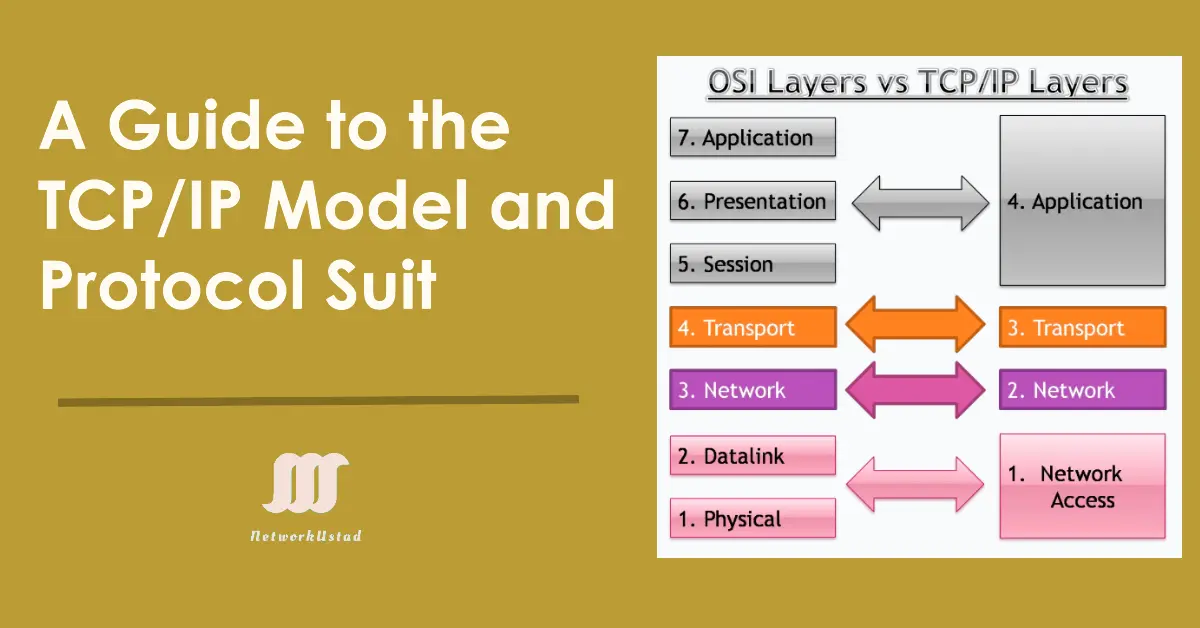
A Guide to the TCP/IP Model and Protocol Suit
In 1970, the Defense Advanced Research Projects Agency (DARPA) began working to create an open standard network model known as the TCP/IP Model. Subsequently, by 1985, the TCP/IP model started gaining more importance and support from vendors, ultimately replacing the OSI model. The Internet Engineering Task Force (IETF) maintains the TCP/IP model and related protocols. The TCP/IP model was on the...
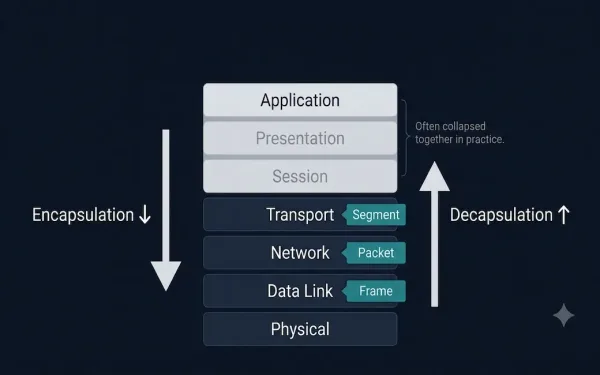
Understanding Data Encapsulation and Decapsulation in OSI Layers
Data encapsulation and de-encapsulation are crucial for transmitting information across computer networks. Encapsulation involves wrapping data in a specific format before sending it over the network, ensuring it can traverse various communication mediums and reach its destination intact. De-encapsulation is the reverse process, unwrapping and extracting the original data at the receiving end. Together, these...
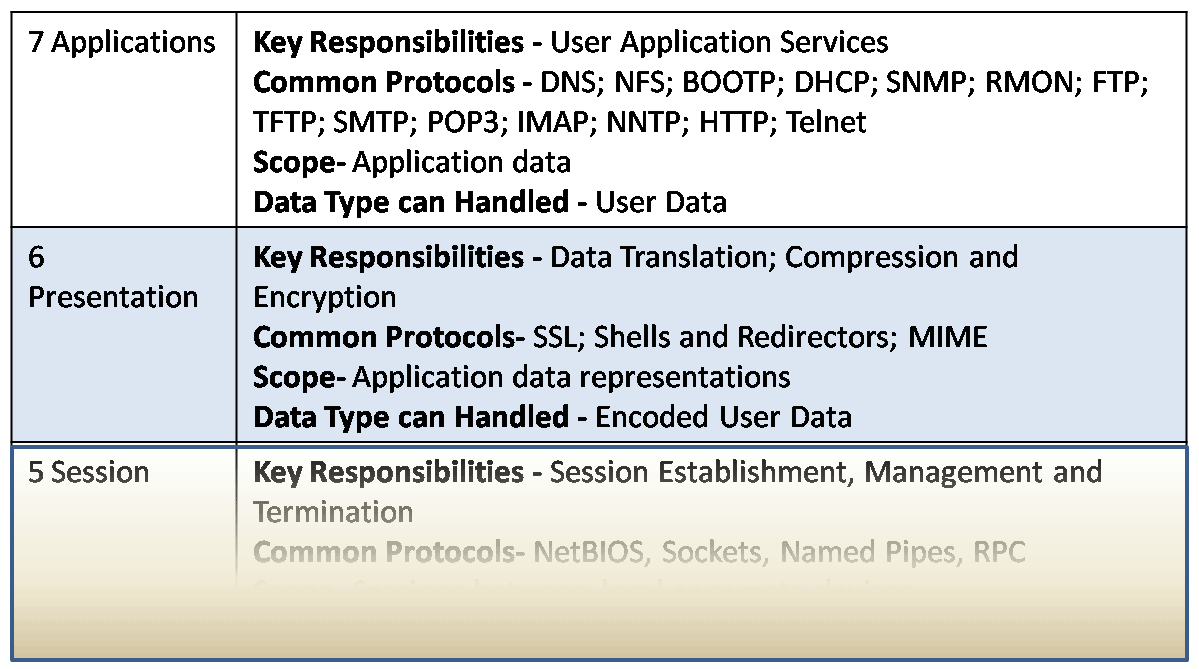
OSI Model, including its 7 Layer Introduction
As the importance of computers grows, vendors recognize the need for networking with them. They produced a variety of protocols whose specifications were not made public. Hence, each vendor had different ways of networking computers, and these ways were not compatible with each other. This means that the computers of one vendor could not be...
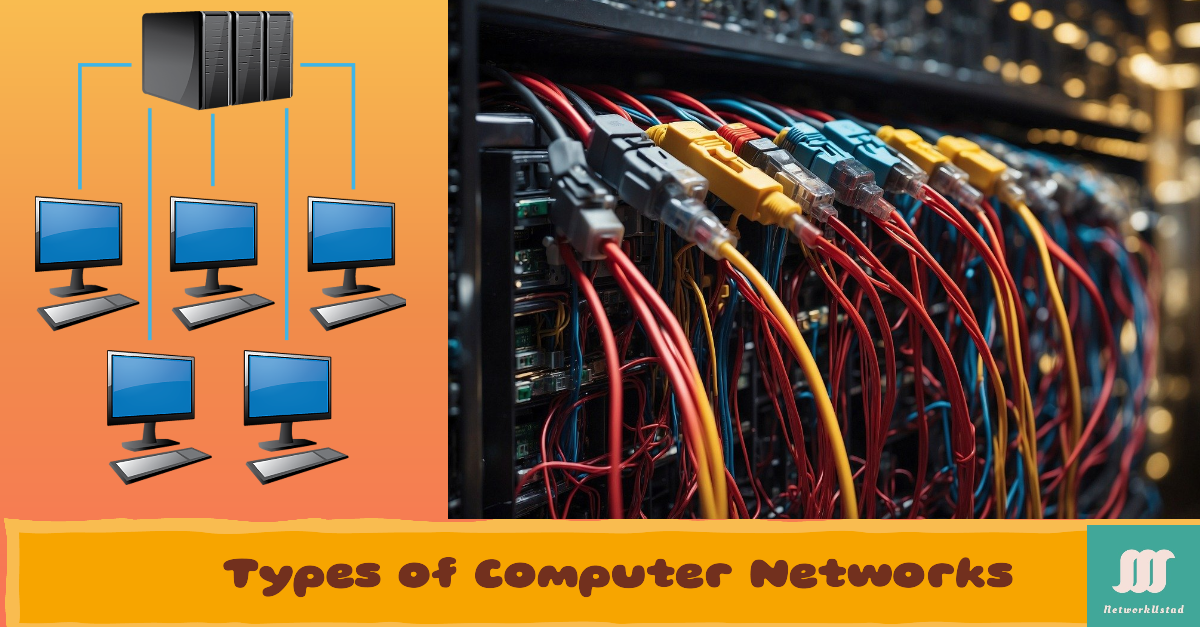
Networking Essentials: Spotlight on the 6 Types of Network
We can characterize 6 types of networks with the size of the area covered, the number of users connected, the number and types of services available, and the area of responsibility. The most important and famous kinds of networks are: Local Area Network (LAN) It is the first and most important part of networks. It...
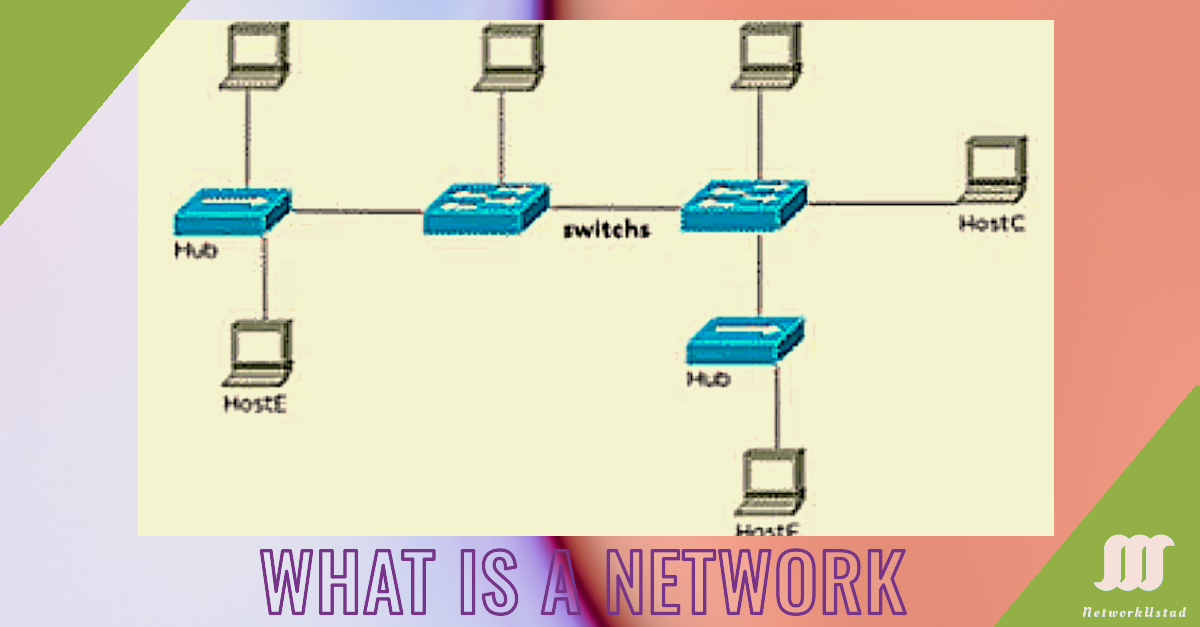
What is a Network? – Exclusive Definitions
Before starting Cisco Internetworking, the network introduction is important for the networking student to be aware of “what a network is” and “what network is importance themselves”. So, first of all, what is a network? In simple words, It is a collection of interconnected devices (such as computers, printers, etc.) in such a way that they...
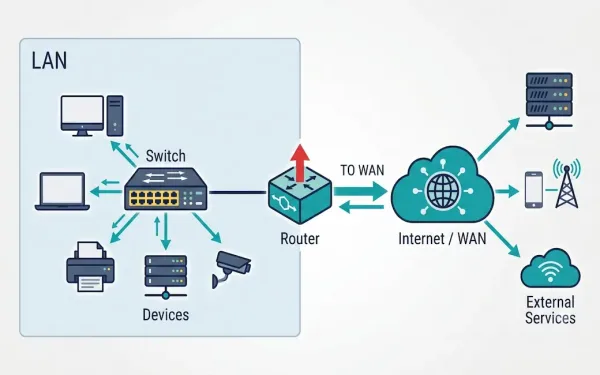
Switch vs Router: What’s the Difference and Which Do You Need?
Switches and routers are the two backbone devices of almost every computer network, from a home Wi-Fi setup to a large enterprise data center. They’re often mentioned in the same breath, and the box your internet provider gives you usually combines both — which is exactly why so many people confuse them. But they do...

3 Basic Network Component – Exclusive explanation
Any network infrastructure contains three components: devices, Media, and Services. Moving data from source to destination can be as simple as connecting one device to another. Note:- At the end of this article, the assessment test is waiting for you about the Basic network Components Devices and media are the physical network components, also known...