Networking
CCNA tutorials, Cisco guides, and enterprise networking insights for IT professionals.

IP Chicken: What Is My IP Address, and How Do You Check It?
If you’ve typed “ip chicken” or “ip chicken ip address” into a search bar, you’re probably trying to do one of two things: find out what your public IP address actually is, or figure out what this oddly-named website actually does. Both questions have simple answers, but understanding them properly means understanding a bit about...
CloudSEK BeVigil: External Attack Surface Monitoring for Network Engineers
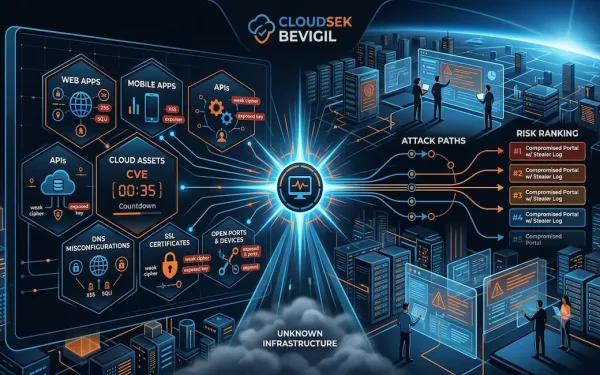
Internet-facing infrastructure accumulates faster than anyone’s records of it. Subdomains outlive the campaigns that created them, staging APIs stay reachable after launch, and certificates renew on assets nobody remembers owning. Much of that estate, the DNS zones, the certificates, the open ports, the edge devices, is infrastructure network engineers built and still maintain, which is...
Network Troubleshooting Commands: The Complete Guide for IT Professionals (2026)
This comprehensive guide equips IT professionals with every essential network troubleshooting command across Windows, Linux, and Cisco IOS. Learn the OSI bottom-up methodology, command syntax, real output interpretation, and systematic workflows that transform complex network problems into solved incidents.
Residential Proxies vs Datacenter Proxies in 2026: What ColdProxy’s Infrastructure Tells Us About the IPv6 Shift
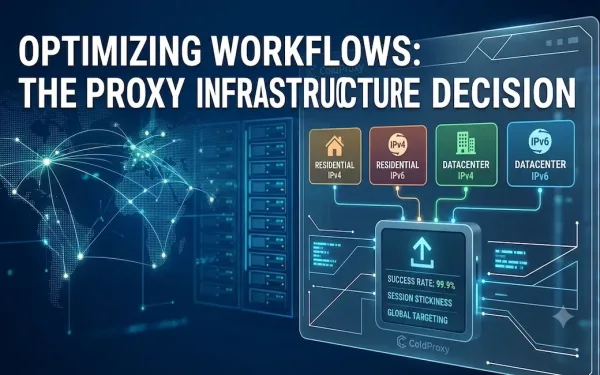
There is a version of the proxy conversation that most networking professionals find easy to dismiss — the consumer-facing narrative about anonymity, bypass tools, and surface-level privacy. That conversation is real, but it is not the one that matters most to IT teams building automated workflows, running geo-distributed monitoring infrastructure, or trying to understand how...
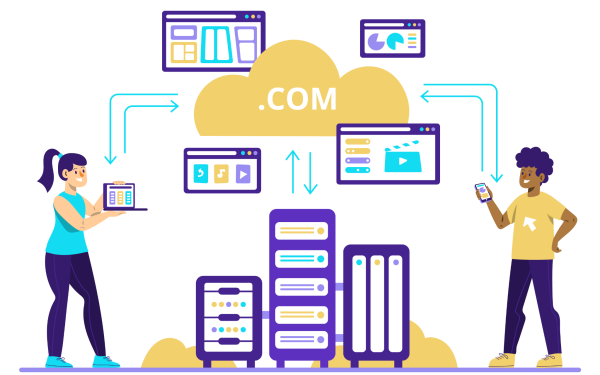
How to Buy IPv4 Addresses in 2026: A Practical Guide
Despite years of talk about IPv6, the internet still runs heavily on IPv4, and demand for those addresses has not gone away. With the original pool long exhausted, organizations that need more address space now turn to a secondary market to acquire it. If your network is expanding, understanding how to buy IPv4 addresses safely...

The Top IPv4 Address Brokers in 2026: Ranked and Compared
The bottom line: With IPv4 addresses long exhausted at the source, every broadband buildout, cloud expansion, and new network now depends on the secondary transfer market. Choosing the right broker affects how fast your transfer closes, how clean your addresses are, and how much risk you carry. This guide ranks and compares the leading IPv4...

Why Network Teams Are Quietly Becoming Automation Teams
As networks become more complex, connecting cloud platforms, SaaS tools, and data stores, network teams are now tasked with automating workflows across the entire IT stack. This article explores the shift in responsibilities and the challenges of managing the churn of integrations in a modern enterprise.
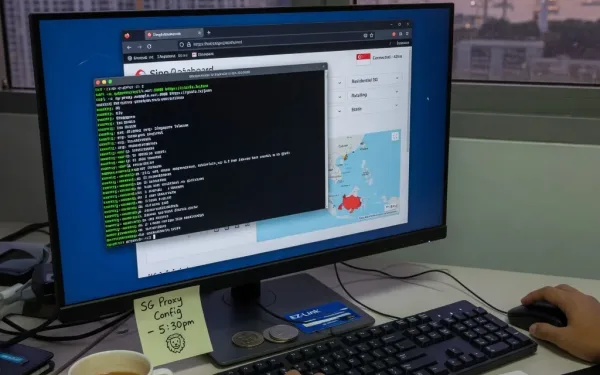
How to get and configure a proxy server in Singapore?
Discover the steps to get and configure a proxy server in Singapore. Learn how to choose the right proxy IP type for your business needs, from SEO to data collection.
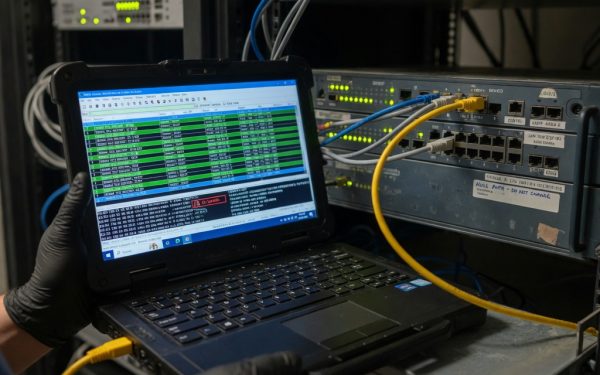
Why Plain-Text OSPF Authentication Is Still Prevalent in Production Networks
OSPF authentication configuration, migration strategies, and troubleshooting for Cisco, Juniper, and Fortinet networks. Includes CLI examples and certification tips.
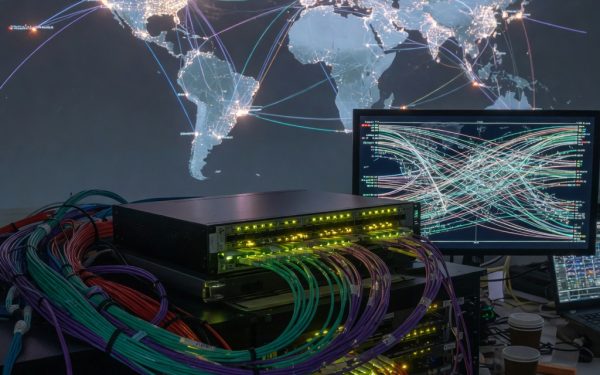
How Discord Routes Voice Packets Across a Global Meshed Network
In 2024, Discord carried more than 4 billion voice minutes per day across its global network — traffic that would choke most enterprise WAN links if mishandled. The platform’s architecture is not merely a chat system; it is a distributed, real-time media network that demands the same QoS principles a network engineer applies to MPLS...