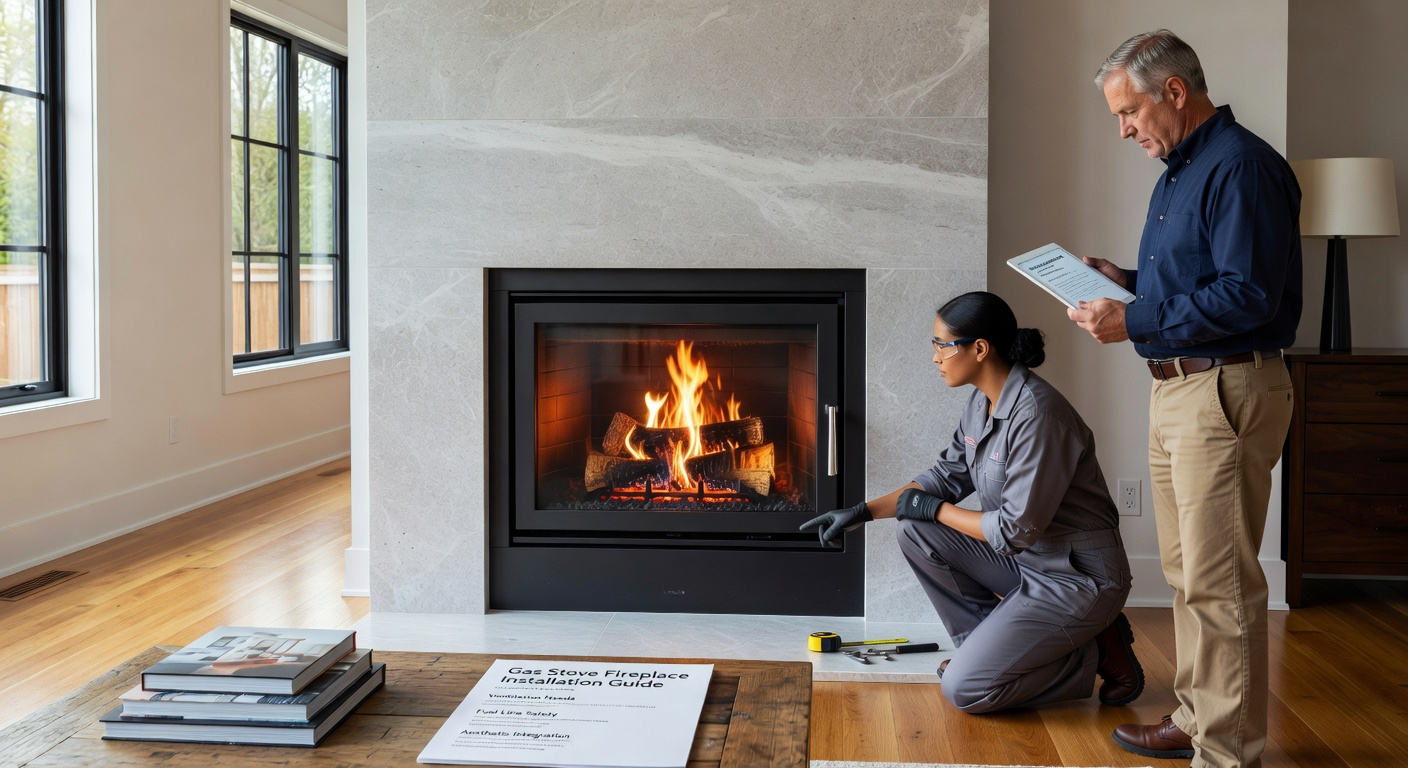
A warm and inviting home begins with thoughtful choices that balance comfort and style. Many homeowners look for heating features that add charm while improving the indoor atmosphere. A well-planned fireplace can create a cozy focal point and support a relaxed living space without overwhelming the room.
A gas stove fireplace offers a practical way to bring warmth and visual appeal together in one feature. It provides steady heat, clean operation, and an elegant presence that suits many home styles. Before moving forward, it helps to review several important factors that influence performance, placement, and long-term satisfaction. This article highlights the key considerations that help you prepare for a smooth installation and lasting comfort.
Choosing the Right Location
Placement plays a major role in comfort and visual appeal. A carefully selected spot allows heat to spread evenly while enhancing the room’s layout. Many homeowners prefer installing a fireplace in gathering areas such as living rooms or open spaces, where warmth reaches multiple seating zones. This approach encourages relaxation and creates a welcoming environment.
Furniture arrangement also affects placement decisions. Adequate spacing ensures comfort and keeps movement areas clear. Wall structure, floor strength, and nearby features further influence positioning. A professional evaluation helps identify the best location that supports both safety and interior balance while maintaining a natural focal point.
Fuel Supply and Venting Requirements
Reliable fuel access and proper venting support consistent performance. Before installation, reviewing structural and technical factors helps ensure smooth operation. Professionals typically examine access points, airflow requirements, and vent routing to confirm compatibility with your home layout.
Key considerations include:
Access to a dependable gas connection
Venting route that suits the roof or wall structure
Airflow planning for balanced indoor temperature
Safe placement for the exhaust outlet
Space for maintenance access and servicing
Each factor contributes to efficient performance and long-term comfort. A professional assessment helps confirm that all connections meet safety standards and support dependable heating.
Heat Output and Room Size
Heating capacity should match the room size to maintain balanced warmth. A properly sized fireplace delivers consistent comfort without overwhelming the space. Larger areas usually require higher heat output, while smaller rooms benefit from moderate levels that maintain a cozy atmosphere.
Room height, insulation, and window placement also influence performance. Homes with open layouts may require additional planning to distribute warmth evenly. When selecting a gas stove fireplace, homeowners should also consider the frequency of use. Regular use benefits from steady heat delivery, while occasional use may prioritize ambiance. Matching heating capacity to room size helps create consistent comfort and efficient operation.
Professional Installation and Local Codes
Professional installation ensures reliable performance and long-term comfort. Experts review structural details, confirm connections, and follow building guidelines. Their experience helps maintain efficiency while supporting safe operation. Local codes guide placement, venting, and installation requirements, ensuring proper setup.
Professionals also perform testing and final adjustments after installation. These steps confirm that airflow, ignition, and heat distribution operate smoothly. With expert guidance, homeowners gain confidence in their heating feature. Proper installation supports dependable performance and enhances the overall comfort of the living space.
A thoughtfully selected fireplace enhances comfort and adds lasting style to a home. Careful planning around placement, heating capacity, venting, design, and professional installation supports a smooth experience. When these elements align, homeowners enjoy a welcoming atmosphere that blends warmth, elegance, and everyday comfort.