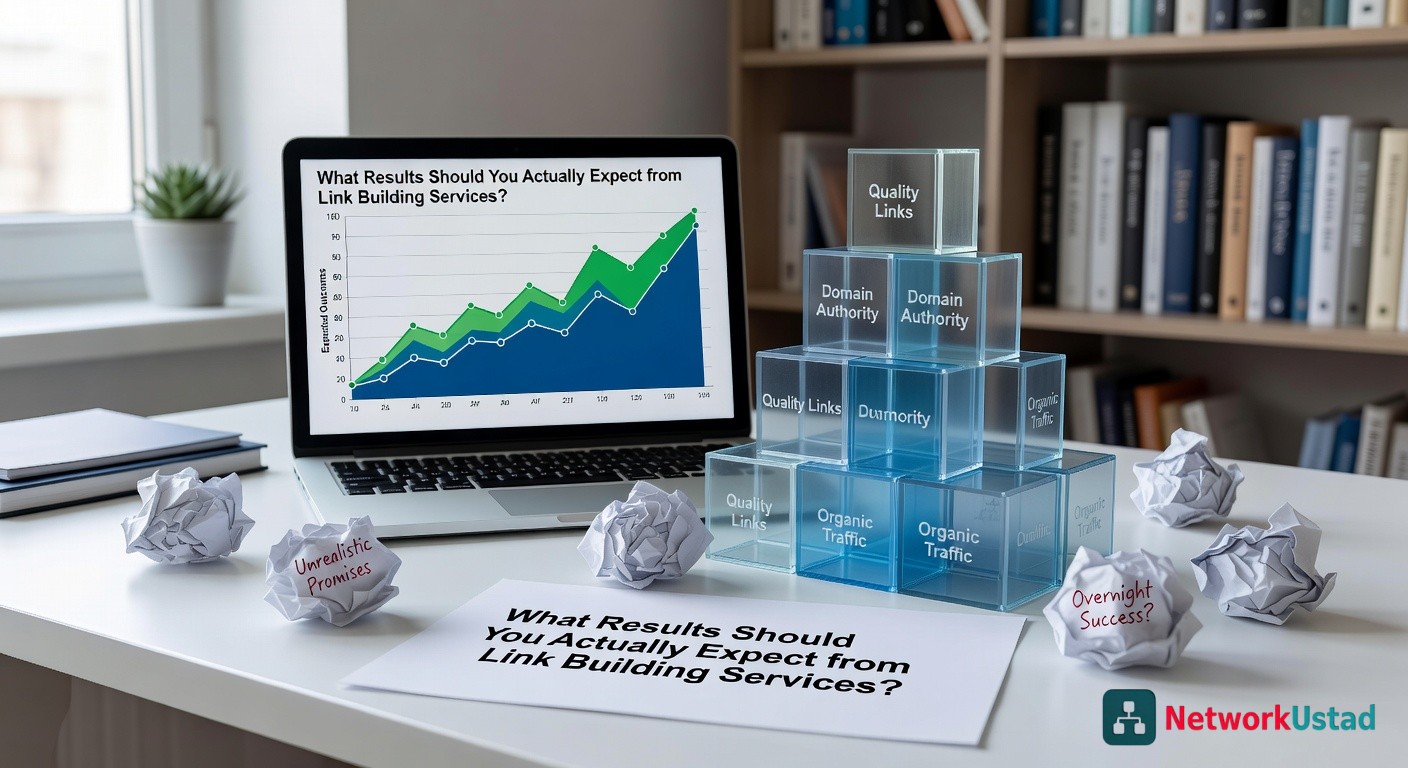
Spending money on link building can feel risky, especially when the results are not clear. It often sounds like you are asked to trust the process and wait, without knowing what success looks like. That can be frustrating. But link building does not have to be a guessing game. When done right, it delivers clear and steady growth over time.
The key is knowing what to expect, what to measure, and what actually makes a difference. In this blog, we will break it down in a simple way so you can see how link building really works and what kind of results you can count on.
The Long-Term Value of Link Building in SEO
Realistic link-building expectations begin with accepting one thing: this isn’t a tactic that rewards impatience. When you partner with a reputable white hat link building service that prioritizes manual outreach, transparency, and ethical placements, you’re not buying a quick win. You’re building infrastructure that pays dividends for years.
Realistic Timelines for Seeing Link Building Outcomes
Before you judge whether a campaign is working, understand the timeline. Impatience kills more link-building campaigns than bad strategy does.
Early Signals: Weeks 2 to 8
Quality links from authoritative, niche-relevant sources can trigger indexing signals surprisingly fast. You might see slight ranking movement or new pages getting crawled more efficiently. Don’t mistake these for final results; think of them as green lights confirming the engine is running.
Concrete Movement: Months 2 to 4
This is where link-building outcomes start showing up in your dashboards. Organic traffic ticks upward, target keywords begin climbing, and Google Search Console impressions often jump noticeably. Patience, at this stage, starts looking like wisdom.
Full Compounding Impact: Months 3 to 12
The real payoff lands between months 6 and 12. Each quality link keeps delivering authority, referral traffic, and ranking momentum, sometimes long after placement. That’s the kind of ROI other SEO tactics struggle to replicate.
Now, how fast you reach each stage? That depends almost entirely on link quality, not volume.
What Actually Drives Strong Link Building Results
Not every backlink moves the needle equally. Here’s what separates the links that change rankings from the ones that sit there doing nothing.
Topical Relevance Beats Raw Authority
A DR 40 website operating squarely in your niche will frequently outperform a DR 80 general news outlet. Search engines care deeply about context. A link from a topically aligned source sends trust signals that generic placements simply can’t replicate.
Real Traffic Over Dashboard Metrics
Links sitting on pages with actual human readers, not just inflated domain scores, produce measurably better outcomes. Referral traffic, engagement signals, brand awareness: these compound when your links live on genuinely active, visited pages.
Content That Earns Links Naturally
Original research, data-backed tools, and genuinely useful resources attract links naturally without the need to chase them. When you create content that offers real value, people are more likely to reference and share it on their own.
Many SaaS companies have seen success by focusing on shareable content assets as part of their link building strategy. Asset-led approaches work because they give others a reason to link back to you. Instead of asking for attention, you earn it by creating something worth linking to.
Tangible Benefits You Can Expect from a White Hat Link Building Service
Working with a trusted white hat link building service delivers outcomes that stretch well beyond rankings alone. Here’s where you’ll feel the difference.
SERP Rankings and Search Visibility
Pages that have been languishing on page two or three often break into the top results once a consistent, high-quality link profile forms behind them. Domain authority builds, impressions grow, and click-through rates follow.
Traffic Growth and Better Leads
Organic traffic typically begins climbing meaningfully around months three to six. More importantly, those visitors arrive through relevant search queries, which means they convert at higher rates than traffic from other channels.
Permanent Authority and Long-Term Equity
Quality links don’t expire. Months or years after placement, they still pass authority to your domain. That’s the core benefit of link-building services that short-term paid tactics can never match.
AI Citations and Emerging Visibility
Worth paying attention to: quality editorial backlinks are increasingly contributing to appearances inside AI-generated search answers. Brands earning mentions on authoritative sites are showing up in LLM responses. This layer of SEO value is growing fast.
How to Track Your Link Building Outcomes at Every Stage
Knowing results are coming is reassuring. Knowing exactly where you are in the journey? That’s what keeps your strategy sharp.
Leading Indicators: Months 1 to 3
Watch referring domain counts, early keyword shifts, and indexing speed. These metrics confirm links are landing and being recognized, often weeks before traffic numbers visibly budge.
Mid-Term Metrics: Months 3 to 6
Focus shifts to organic traffic growth, keyword position changes, and lead quality. This phase is where understanding how long link building takes stops feeling abstract and starts feeling worthwhile.
Long-Term ROI: 6 Months and Beyond
Measure conversion improvements and cost-per-link against traffic value gained. Tools like Ahrefs, SEMrush, and GA4 make this analysis manageable. Strong campaigns show compounding ROI well past the initial investment window.
Best Practices That Keep Results Accelerating
Maintain Steady Link Velocity
Natural, consistent acquisition avoids triggering spam signals. Sudden spikes in backlinks draw algorithmic scrutiny. Measured, sustainable growth consistently outperforms aggressive short-burst approaches.
Avoid the Traps That Tank Campaigns
Exact-match anchor overuse, PBN links, and directory spam are still reliable ways to destroy progress. A clean, diverse anchor profile with varied link types builds durable, penalty-resistant authority.
Your Link Building Timeline, At a Glance
| Phase | Timeframe | What to Expect |
|---|---|---|
| Early Signals | Weeks 2–8 | Indexing activity, minor ranking shifts |
| Ranking Gains | Months 2–4 | Keyword movement, traffic upticks |
| Lead Growth | Months 3–6 | MQL increases, AI citations, authority building |
| ROI Compounding | Months 6–12 | Sustained growth, full return on investment |
Final Thoughts
Strong link building results don’t materialize overnight, but they do materialize, and they keep delivering long after the links go live. Rankings, traffic, leads, domain authority: every quality link adds lasting structural value your competitors will struggle to displace.
The formula is straightforward. Set realistic expectations, stay consistent through the early months, and let compounding authority do what short-term tactics never can. Start now. The timeline is already running.
Frequently Asked Questions
1. How soon will a white hat link building service show results?
Early ranking shifts often appear within two to eight weeks. Meaningful traffic gains typically emerge between months two and four, with the strongest compounding outcomes arriving between six and twelve months.
2. Can one great link outperform ten mediocre ones?
Consistently, yes. A single editorially placed link from a relevant, high-traffic source delivers more ranking authority than a dozen low-quality placements combined.
3. Do backlinks still matter when AI is reshaping search?
More than ever. Quality links now influence both traditional rankings and AI-generated citations, meaning strong link profiles increase your visibility across conventional SERPs and LLM-powered answers simultaneously.
4. How do I know a campaign is working before traffic moves?
Monitor referring domain growth, indexing speed, and early keyword shifts. These leading indicators confirm progress weeks before organic traffic numbers visibly respond.
5. Dofollow or nofollow, which should I prioritize?
Dofollow links pass direct authority and deserve your primary focus. That said, a natural mix including nofollow links signals an organic editorial profile, which search engines consistently reward with greater trust.