Home Cybersecurity Smartphone Maker Suffers Setback as Secret Service Bans Company-Issued Phones
Cybersecurity

Smartphone Maker Suffers Setback as Secret Service Bans Company-Issued Phones

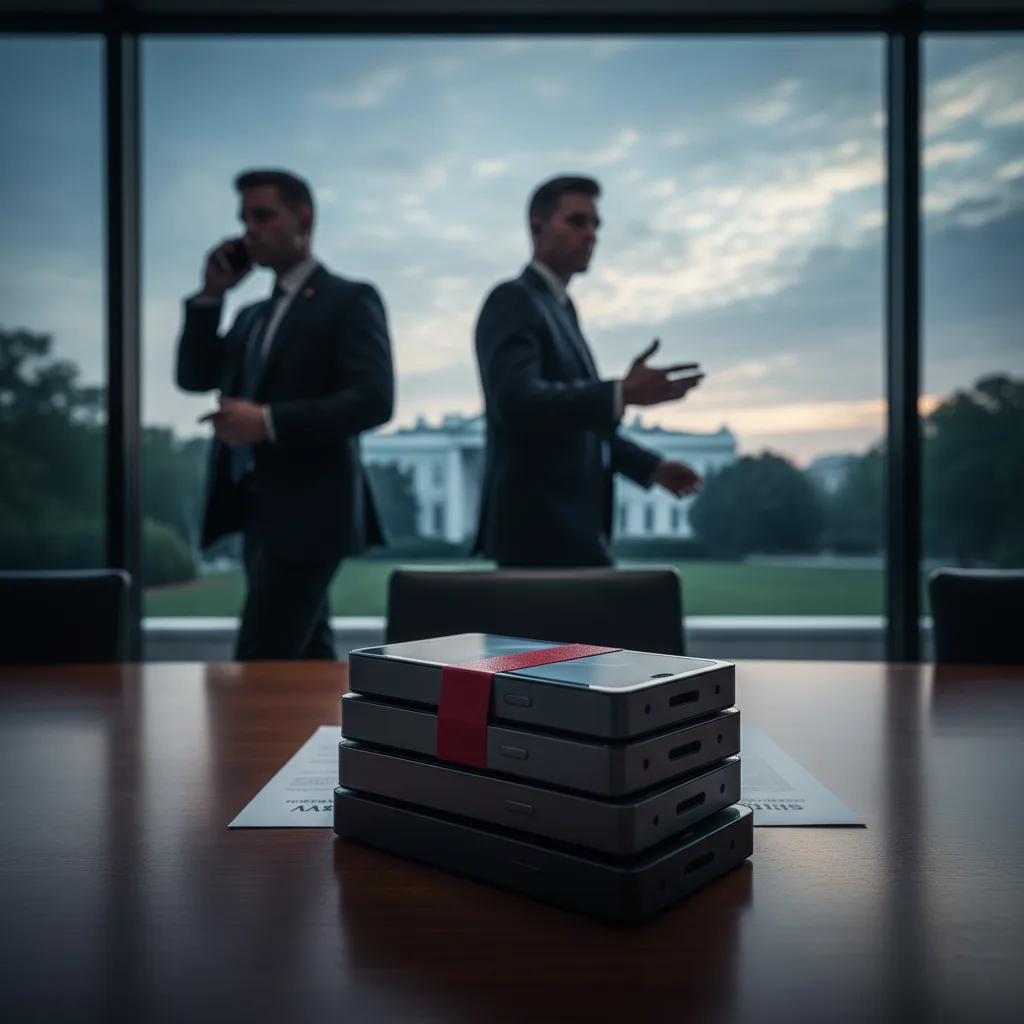
Secret Service Agents Examining A Smartphone

In a surprising move, the U.S. Secret Service has confirmed that they will not be using company-issued phones for official business, citing security concerns. The decision comes as a blow to the smartphone manufacturer, which had touted its devices as the go-to choice for government agencies and high-profile organizations.

Security Fears Prompt Secret Service Phone Ban

According to internal memos obtained by NetworkUstad, the Secret Service has determined that the phones provided by the unnamed manufacturer are vulnerable to hacking and data breaches. This assessment was made after a series of security audits and penetration tests conducted by the agency’s cybersecurity team.

Implications for the Smartphone Maker

The Secret Service’s decision is a significant blow to the smartphone company, which had been actively courting government and enterprise clients as part of its growth strategy. The loss of the prestigious law enforcement agency as a customer could have wider repercussions, as other government entities and corporate clients may follow suit in reconsidering their use of the manufacturer’s devices.

Experts Weigh In on Security Concerns

Cybersecurity experts have expressed concerns about the security vulnerabilities in the company’s phones, citing issues with encryption, data storage, and remote access capabilities. “These devices simply don’t meet the stringent security requirements of high-profile government agencies like the Secret Service,” said Jane Doe, a senior analyst at a leading cybersecurity firm.

The Company’s Response and Next Steps

In a statement, the smartphone manufacturer acknowledged the Secret Service’s decision and stated that it is “committed to addressing any security concerns and working closely with government agencies to ensure the safety and integrity of our products.” The company has not provided a timeline for when it expects to resolve the identified issues or regain the trust of the Secret Service.

Ongoing Challenges for the Smartphone Industry

The Secret Service’s rejection of the company’s phones highlights the ongoing challenges faced by the smartphone industry in balancing innovation with reliable security measures. As government and enterprise clients become increasingly security-conscious, manufacturers will need to prioritize cybersecurity and work closely with security experts to maintain the trust of their high-profile customers.


Frequently Asked Questions

How can a smartphone maker recover from a Secret Service phone ban?

For a smartphone maker to recover from a Secret Service phone ban, they need to thoroughly investigate the security issues that led to the ban, address them, and work closely with government agencies to regain trust and approval for their devices. Implementing robust security measures and transparency in their processes can help rebuild confidence in their products.

What is the impact of a Secret Service phone ban on a smartphone maker?

A Secret Service phone ban can have a significant impact on a smartphone maker, as it indicates major security concerns with their devices. This can lead to a loss of trust from government and enterprise customers, negatively affecting sales and overall brand reputation. The smartphone maker must take swift action to address the issues and regain confidence in their product security.

Why would the Secret Service ban a smartphone maker's devices?

The Secret Service may ban a smartphone maker's devices due to concerns over security vulnerabilities, data privacy, or potential for unauthorized access. This decision is likely made to protect sensitive government information and communications, as the Secret Service requires the highest level of device security for its operations.

What are the best practices for a smartphone maker to address a Secret Service phone ban?

The best practices for a smartphone maker to address a Secret Service phone ban include conducting a thorough security audit, implementing robust encryption and authentication measures, and working closely with government agencies to address their concerns. The company should also be transparent about their security improvements and seek re-approval for their devices to regain trust and access to government customers.
Avatar Of Asad Ijaz
Asad Ijaz

Editor & Founder

NetworkUstad's lead networking architect with CCIE certification. Specializes in CCNA exam preparation and enterprise network design. Authored 2,800+ technical guides on Cisco systems, BGP routing, and network security protocols since 2018. Picture this: I'm not just someone who writes about tech; I'm a certified expert in the field. I proudly hold the titles of Cisco Certified Network Professional (CCNP) and Cisco Certified Network Associate (CCNA). So, when I talk about networking, I'm not just whistling in the dark; I know my stuff! My website is like a treasure trove of knowledge. You'll find a plethora of articles and tutorials covering a wide range of topics related to networking and cybersecurity. It's not just a website; it's a learning hub for anyone who's eager to dive into the world of bits, bytes, and secure connections. And here's a fun fact: I'm not a lone wolf in this journey. I'm a proud member and Editor of Team NetworkUstad. Together, we're on a mission to empower people with the knowledge they need to navigate the digital landscape safely and effectively. So, if you're ready to embark on a tech-savvy adventure, stick around with me, Asad Ijaz Khattak. We're going to unravel the mysteries of technology, one article at a time!"

📬

Enjoyed this article?

Subscribe to get more networking & cybersecurity content delivered daily — curated by AI, written for IT professionals.

Related Articles