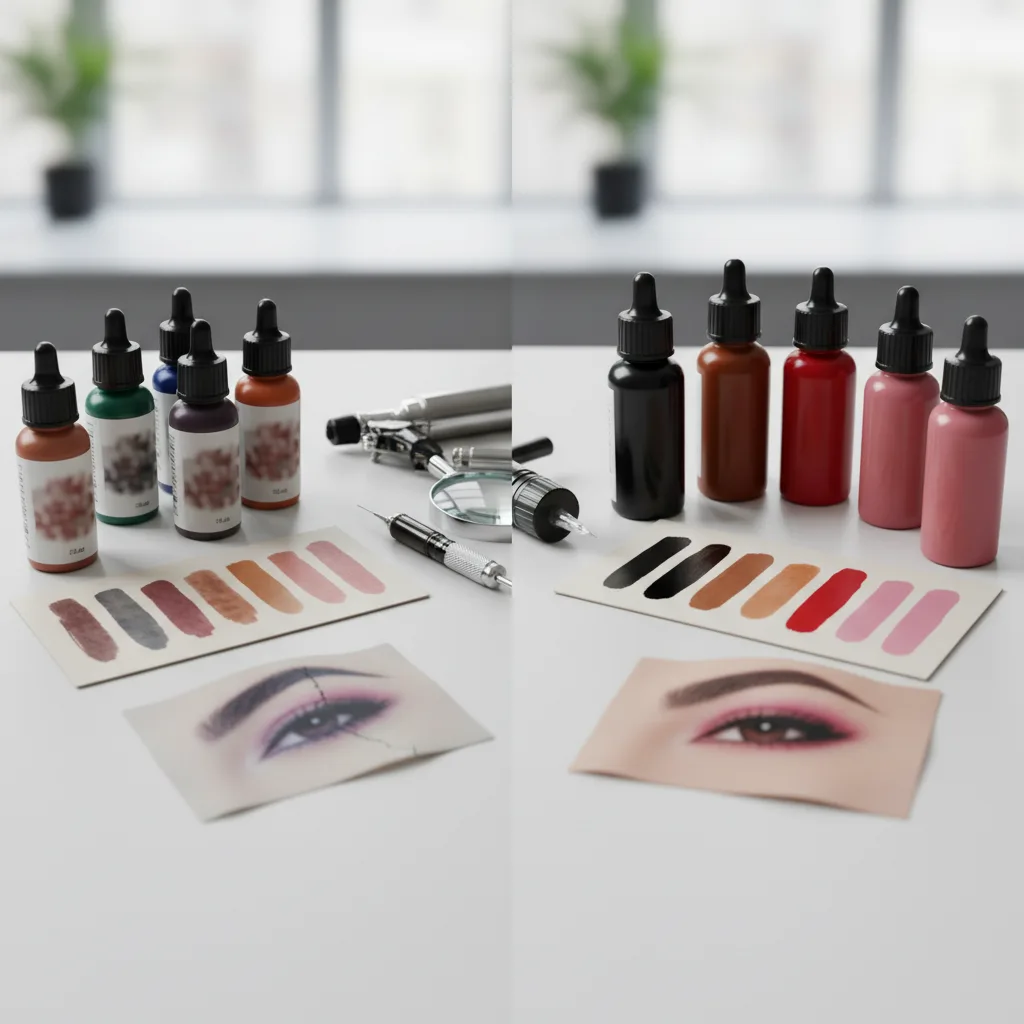
Every PMU artist knows the frustration: a client walks back through the door just weeks after their procedure, pointing at brows that have shifted to an ashy gray or lips that faded unevenly. You followed every protocol, your technique was flawless, yet the results didn’t hold. The culprit isn’t your skill—it’s the ink sitting in your pigment cups. Standard PMU inks, while widely available and often budget-friendly, frequently lack the formulation stability needed to deliver lasting, true-to-tone results. This leads to a cycle of touch-ups, disappointed clients, and a reputation that suffers despite your best efforts.
The good news is that the industry has evolved. High-performance PMU pigment sets now offer artists a way to break free from this cycle, delivering color stability and longevity that standard inks simply cannot match. In this article, we’ll examine exactly why traditional PMU inks fail, what makes advanced pigment formulations superior, and how you can make informed choices that reduce touch-up frequency while elevating client satisfaction. Whether you’re a seasoned artist or building your practice, understanding this distinction is essential to your long-term success.
The Critical Flaws of Standard PMU Inks and Permanent Makeup Pigment
Standard PMU inks typically consist of basic pigment particles suspended in a carrier solution—often water, glycerin, or alcohol-based. While these formulations serve their fundamental purpose of depositing color beneath the skin’s surface, their composition introduces several critical weaknesses that undermine long-term results. The pigment particles in standard inks tend to vary significantly in size, which means they settle at inconsistent depths within the dermis. This irregularity creates patchy fading patterns that leave clients with uneven, blotchy results within months of their initial procedure.
Oxidation represents another major vulnerability. When standard ink particles interact with oxygen and the body’s immune response, they undergo chemical changes that shift their original hue. Iron oxide-based pigments, common in budget formulations, are particularly prone to this—warm brown brows gradually turn orange or gray as the iron compounds oxidize beneath the skin. UV exposure accelerates this degradation further, breaking down unstable molecular bonds and causing premature fading that no amount of aftercare can prevent.
For PMU artists, these flaws translate directly into business problems. Clients who experience color shifts or rapid fading often return within eight to twelve weeks requesting corrections, consuming appointment slots that could generate new revenue. Worse, some clients don’t return at all—they simply leave negative reviews and seek another artist. The lack of color stability in standard PMU inks creates a reputation liability, making it nearly impossible to build a portfolio of consistently beautiful healed results that attract new clientele through word-of-mouth referrals.
Why Color Instability Plagues Traditional PMU Inks
Several specific factors drive the color instability that defines traditional PMU inks. Low-quality raw ingredients sit at the top of this list—manufacturers cutting costs often source pigment powders with impurities that react unpredictably once implanted. Improper pH balance in the carrier solution compounds the issue, as formulations that are too acidic or alkaline accelerate particle breakdown within the dermal layer. Perhaps most critically, standard inks lack advanced bonding agents that would anchor pigment molecules together and resist the body’s natural metabolic processes. Without these stabilizers, the immune system fragments and disperses pigment particles more rapidly, leading to the washed-out, shifted tones that frustrate both artists and clients seeking lasting, true-to-tone results.
What Defines High-Performance Pigments for PMU Artists
High-performance PMU pigment sets represent a fundamental leap in formulation science, engineered specifically to overcome the limitations that plague standard inks. Unlike their conventional counterparts, these advanced pigments undergo rigorous manufacturing processes that ensure uniform particle size distribution—typically ground to a consistent micron range that allows for predictable, even implantation depth. This precision means the color deposits uniformly across the treated area, healing with the smooth, natural appearance that clients expect and that builds a strong portfolio for any PMU artist.
Enhanced biocompatibility sets these formulations apart from standard options. High-performance pigments utilize carrier solutions and pigment compounds specifically designed to minimize immune system reactivity. When the body perceives implanted particles as less of a foreign threat, it mounts a reduced inflammatory response, which means less pigment gets broken down and flushed away during the healing process. The result is significantly improved color retention from the very first session, with healed results that remain vibrant and true-to-tone far longer than what standard inks can achieve.
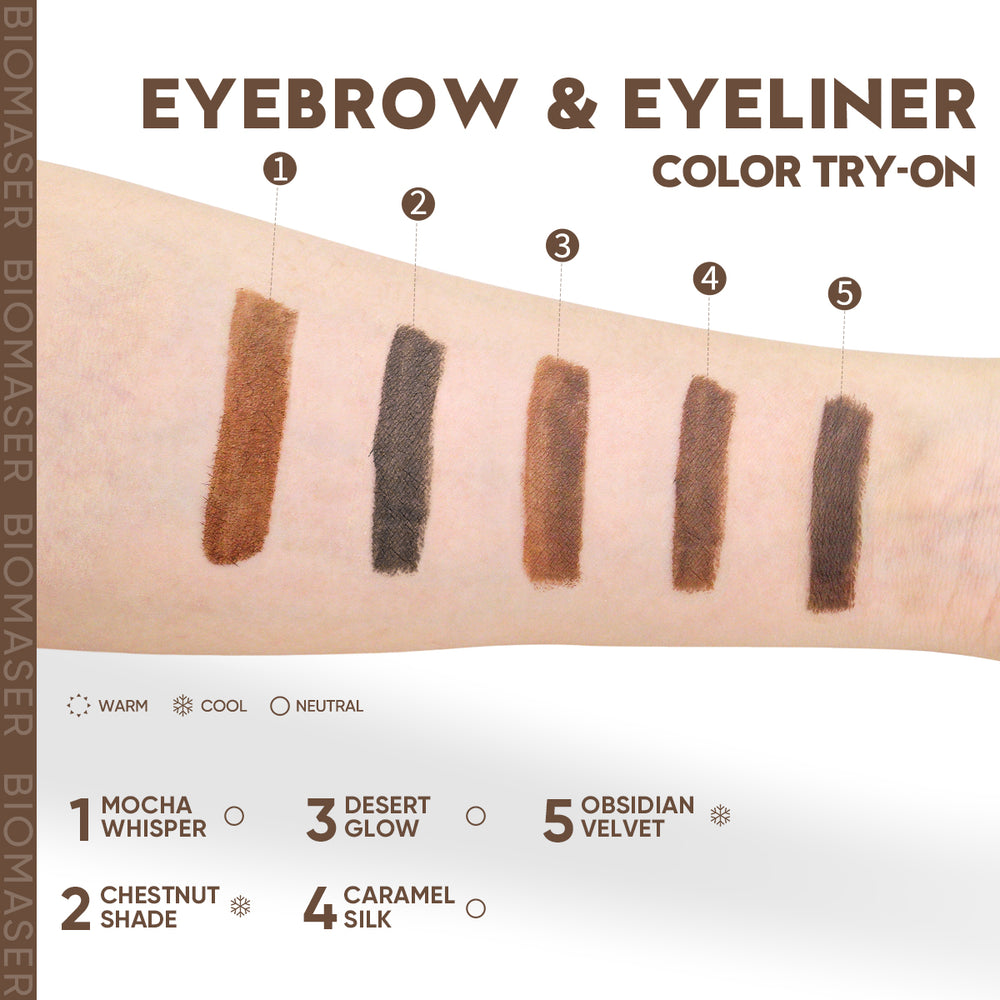
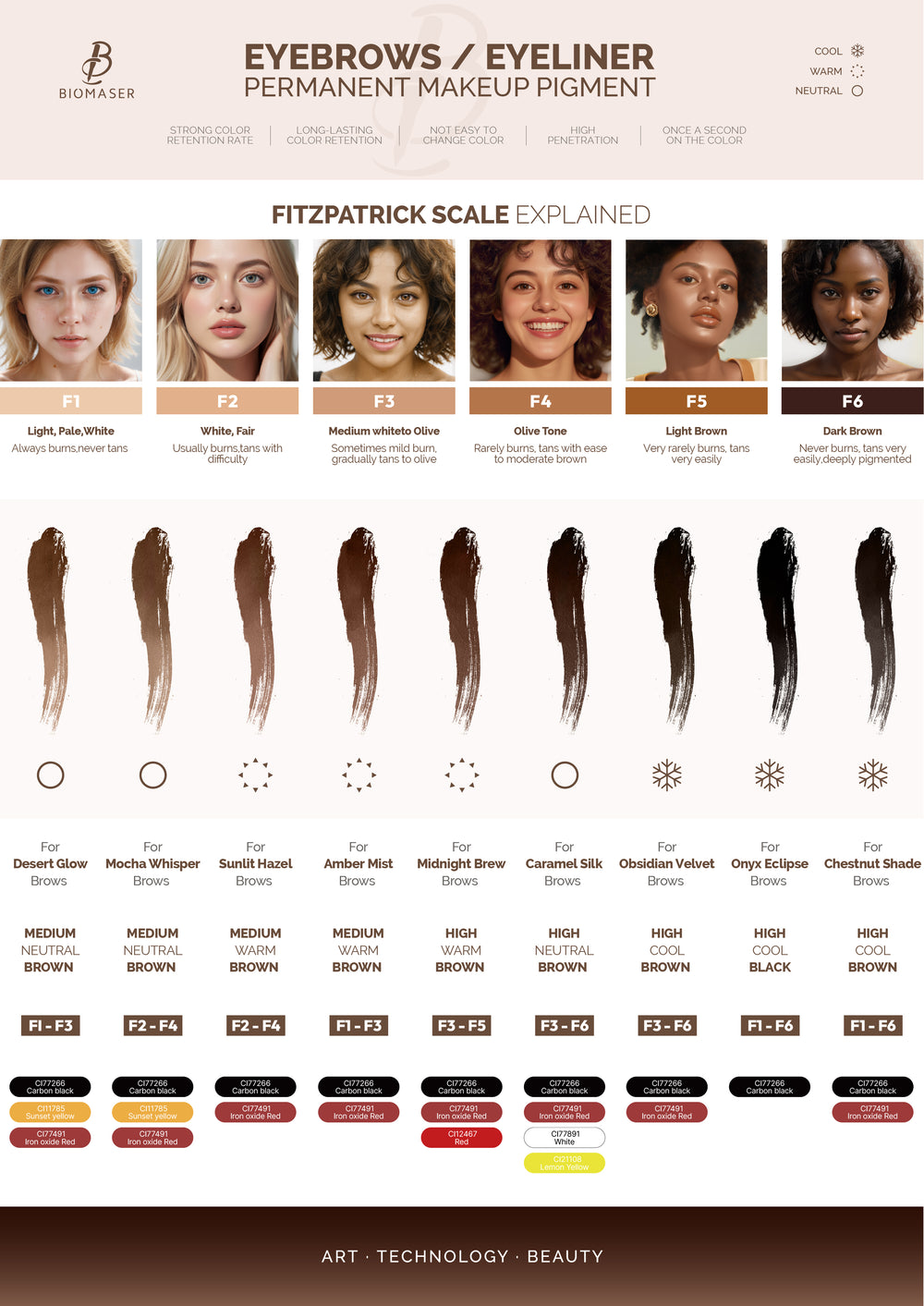
Stabilized color formulas within these pigment sets incorporate molecular structures resistant to oxidation and photodegradation. Rather than relying solely on basic iron oxides, high-performance pigments often blend organic and inorganic compounds in ratios that counterbalance each component’s weaknesses. This means warm tones stay warm, cool tones maintain their depth, and neutral shades don’t drift toward unwanted undertones over time. For PMU artists, this translates into predictable outcomes—you can confidently tell clients what their healed results will look like, and deliver on that promise consistently. The longevity advantage alone justifies the investment, as procedures hold their integrity for years rather than months, dramatically reducing the need for premature correction appointments.
Key Components That Ensure Superior Performance
The science behind high-performance pigments relies on several breakthrough technologies working in concert. Micro-encapsulation technology coats individual pigment particles in a protective shell that controls how they interact with surrounding tissue, slowing the body’s ability to fragment and metabolize them. This creates a sustained presence in the dermis rather than rapid dispersal. Antioxidant additives integrated directly into the formulation neutralize free radicals that would otherwise degrade pigment molecules when exposed to UV radiation or metabolic byproducts. Additionally, optimized pH buffering systems maintain the chemical stability of the pigment suspension both in the bottle and after implantation, preventing the acidic or alkaline shifts that accelerate color breakdown. For PMU artists seeking dependable results, these components work together to ensure that what you implant today still looks exceptional a year or more down the line, with minimal degradation between sessions.
Addressing PMU Artists’ Needs: Achieving Color Stability and Reducing Touch-Ups
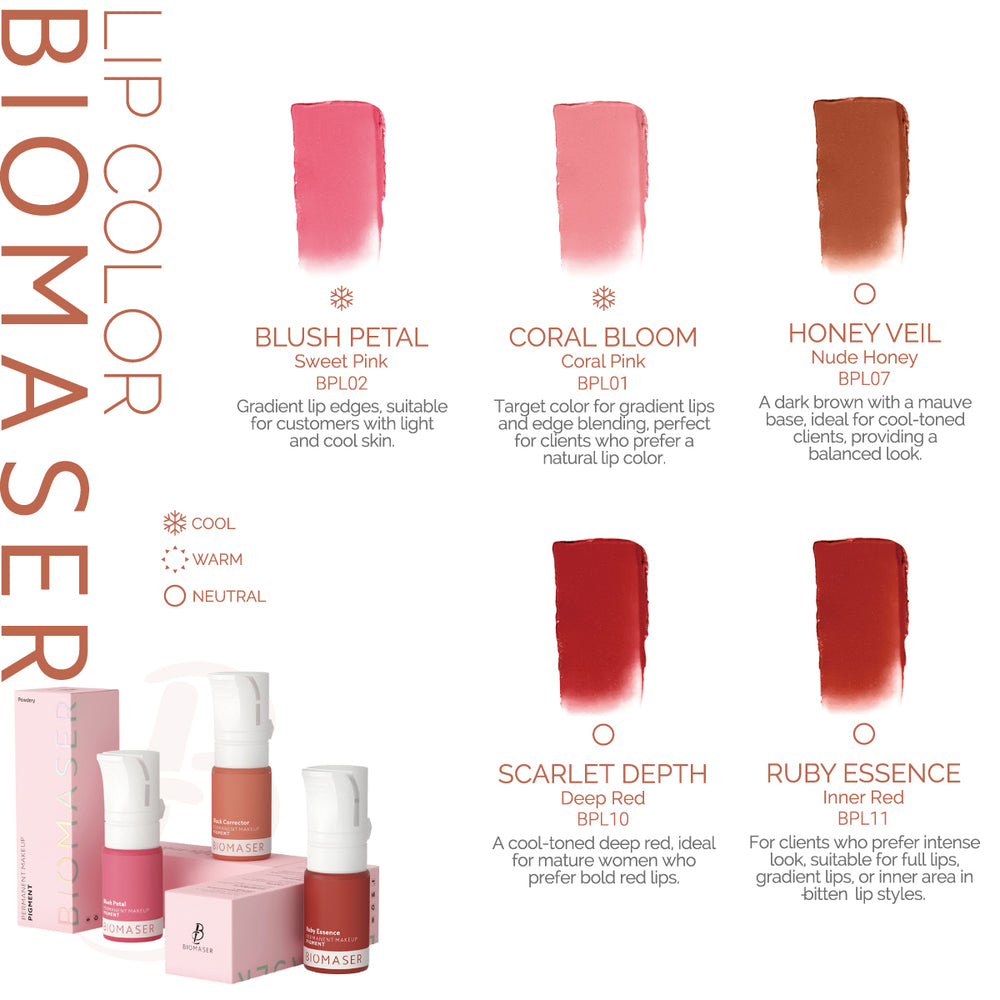
For PMU artists building sustainable practices, the shift to high-performance pigments addresses the most pressing operational challenge: the revolving door of touch-up appointments that consume time without generating meaningful growth. When pigments maintain their true color for two to four years rather than fading or shifting within months, artists reclaim their schedules for new clients and advanced procedures that command higher fees. Color stability isn’t just a technical specification—it’s the foundation of a profitable, scalable PMU business.
Clinical observations and industry expert assessments consistently support the performance gap between standard and advanced formulations. Experienced PMU educators report that artists using high-performance pigment sets see healed results retaining 80-90% of their initial saturation at the twelve-month mark, compared to standard inks that often degrade to 50-60% within the same timeframe. Dermatological research on pigment implantation confirms that uniform particle size and enhanced molecular stability directly correlate with prolonged color retention, validating what many artists observe in their own practice. These findings aren’t theoretical—they reflect measurable differences that show up in healed photos and client satisfaction surveys.

The downstream benefits extend well beyond fewer correction sessions. Clients who experience lasting, beautiful results become enthusiastic advocates for your work, generating organic referrals that no marketing budget can replicate. Artists report that switching to stable, high-quality pigments reduces their touch-up rate by half or more, freeing entire days each month. This time translates into capacity for new bookings, training opportunities, or simply a healthier work-life balance. Additionally, the confidence that comes from knowing your pigments will heal predictably allows you to quote results with certainty during consultations, converting more prospects into booked procedures and building the kind of trust that sustains a practice long-term.
Real-World Impact: Case Examples of Reduced Touch-Up Frequency
Consider an established brow artist who previously allocated two days per week to correction work on clients experiencing premature fading or color shifts from standard inks. After transitioning entirely to a high-performance pigment set with stabilized formulations, her touch-up requests dropped by approximately 60% within six months. Those reclaimed appointment slots now generate revenue from new clients rather than unpaid or discounted corrections. Similarly, a lip blush specialist found that switching to advanced pigments eliminated the common complaint of uneven fading along the vermillion border—a problem that had previously required corrections on nearly one in three clients. Her portfolio now showcases consistently healed results at three, six, and twelve months post-procedure, serving as powerful conversion tools during consultations. These scenarios illustrate a clear pattern: when PMU artists invest in pigment quality, the reduction in touch-up frequency pays for itself rapidly while simultaneously strengthening their professional reputation.
Step-by-Step Solution: How to Select and Use the Right PMU Pigment Set
Making the transition from standard inks to high-performance pigments requires more than simply ordering a new brand. A systematic approach ensures you select formulations that genuinely deliver on their promises and integrate seamlessly into your existing workflow. Start by researching brands with a proven track record among experienced PMU professionals—companies like Biomaser that have built reputations within artist communities for consistent healed results. Look beyond marketing claims and seek out forums and continuing education groups where practitioners share unfiltered feedback about healed results at six and twelve months. Pay attention to which pigment lines consistently appear in portfolios showcasing crisp, true-to-tone healed work rather than heavily filtered fresh procedure photos.
Once you’ve narrowed your options, invest time in controlled testing before committing to a full color range. Request sample sets and perform test patches on practice skin or willing models, documenting the healing process with standardized lighting and photography at regular intervals. Evaluate how the pigment behaves during implantation—does it flow smoothly into the skin without excessive spreading? Does it require fewer passes to achieve saturation? These practical observations reveal more about formulation quality than any specification sheet. Simultaneously, assess skin compatibility by monitoring healing responses for signs of excessive inflammation, migration, or allergic reactivity that could indicate subpar biocompatibility.
Application technique matters even with superior pigments. Follow manufacturer guidelines regarding needle depth, machine speed, and recommended layering approaches, as high-performance formulations are often engineered to work optimally within specific parameters. Adjust your stretching technique and pass count based on how the pigment deposits—many artists find they need fewer passes with advanced formulations, which reduces trauma and improves healing outcomes. After each procedure, implement a structured follow-up protocol: photograph results at the four-week, three-month, and six-month marks to build your own evidence base. Track which colors perform best on different skin types and undertones, creating a personalized reference system that sharpens your color selection over time. This data-driven approach transforms pigment selection from guesswork into a refined, repeatable process that consistently delivers the results your clients expect.
Evaluating Pigment Quality: A Checklist for PMU Artists
Before committing to any pigment line, verify several critical quality indicators. Confirm regulatory compliance—look for formulations manufactured in facilities adhering to EU REACH regulations or FDA guidelines, which ensure ingredient safety and manufacturing consistency. Demand full ingredient transparency from suppliers; reputable brands publish complete INCI lists and provide safety data sheets without hesitation. Examine independent lab testing results for heavy metal content, microbial contamination limits, and particle size analysis. Seek out verified client feedback spanning at least twelve months post-procedure, as short-term results rarely reveal a pigment’s true stability. Avoid formulations with vague labeling, undisclosed carrier solutions, or manufacturers unwilling to answer technical questions about their stabilization methods. Finally, confirm shelf life specifications and storage requirements—pigments that degrade quickly in the bottle will perform unpredictably in the skin. This due diligence protects both your clients and your professional reputation from the costly consequences of inferior formulations.
Elevate Your PMU Practice With the Right Pigment Investment
The contrast between standard PMU inks and high-performance pigment sets comes down to one fundamental difference: predictability. Standard formulations gamble with your results—unstable particles, oxidation-prone compounds, and inconsistent sizing create a lottery where color shifts and premature fading are inevitable outcomes. High-performance pigments eliminate that gamble through engineered stability, uniform particle technology, and molecular structures built to resist the biological and environmental forces that degrade lesser inks over time.
For PMU artists, the takeaway is clear. Your technique, training, and artistic eye deserve a medium that performs at the same level. Investing in quality pigments isn’t an expense—it’s a business decision that pays dividends through fewer touch-ups, stronger client loyalty, and a portfolio that consistently reflects your true capabilities. Every procedure you perform with stable, high-performance pigments builds your reputation in ways that budget inks actively undermine. Take the step now: evaluate your current pigment line against the standards outlined here, test advanced formulations systematically, and let your healed results speak for themselves. Your future clients—and your schedule—will thank you.