The global sauna market is booming. Whether you are outfitting a luxury spa, a hotel wellness center, or a private home retreat, selecting the right sauna type — and, equally important, the right manufacturer — is one of the most consequential decisions you will make. This guide walks you through everything you need to know about choosing between infrared and steam sauna options, what to look for in a supplier, and how the leading names in the industry compare.
Understanding the Two Technologies
Before evaluating any supplier, it helps to understand the core difference between the two sauna types you will encounter in the market.
Infrared Saunas
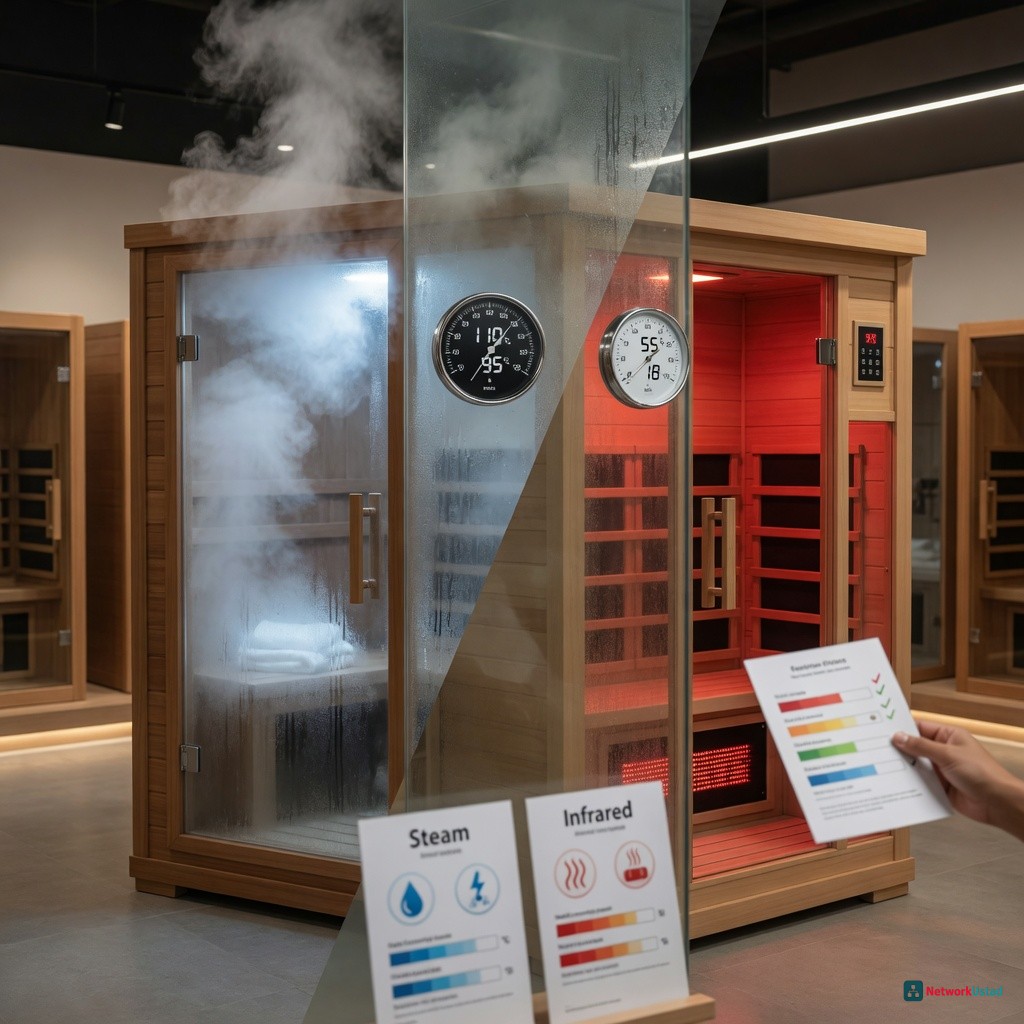
Infrared saunas use infrared light panels — typically far-infrared (FIR), near-infrared (NIR), or a full-spectrum combination — to heat the body directly rather than warming the surrounding air. Cabin temperatures typically range from 45 °C to 60 °C (113 °F to 140 °F), which is considerably lower than a traditional steam environment. Because the heat penetrates tissue more deeply at lower ambient temperatures, many users find infrared sessions more comfortable and easier to tolerate for extended periods. Energy consumption is also lower, making infrared units attractive for residential installations and budget-conscious commercial operators.
Steam Saunas
Steam saunas — sometimes called wet saunas or traditional Finnish saunas — heat the air and surfaces inside the cabin to temperatures between 70 °C and 100 °C (158 °F to 212 °F). A sauna heater (kiuas) loaded with rocks generates dry heat; water ladled over the rocks produces steam bursts known as löyly. The high humidity and intense heat trigger rapid perspiration and deliver the cardiovascular and respiratory benefits long associated with Nordic wellness culture. For many purists, the authentic sensory experience of a steam sauna is irreplaceable.
What to Look for in Infrared Sauna Manufacturers
Partnering with the right infrared sauna manufacturers requires due diligence across several dimensions:
• Emitter quality and spectrum. Look for manufacturers who use medical-grade carbon or ceramic emitters and publish third-party EMF (electromagnetic field) test results. Lower EMF output is a meaningful differentiator in the wellness market.
• Wood sourcing. Premium infrared cabins are built from hypoallergenic, low-resin hardwoods such as Canadian hemlock, basswood, or Scandinavian spruce. Verify that the timber is kiln-dried and sourced responsibly.
• Certifications. Reputable infrared manufacturers carry ETL, CE, or UL listings. These confirm that the electrical systems meet recognized safety standards in North America and Europe.
• Warranty and after-sales support. Industry-leading manufacturers back their cabins with warranties of five years or more on heaters and structural components. Confirm that replacement parts are stocked domestically.
• Customisation options. Commercial buyers in particular should ask about custom dimensions, chromotherapy lighting, audio integration, and branded cabin finishes.
What to Look for in Steam Sauna Manufacturers
Evaluating steam sauna manufacturers involves a slightly different checklist, because the high-heat, high-humidity environment places unique demands on materials and engineering:
• Heater specification. The kiuas is the heart of any steam sauna. Top manufacturers partner with or produce their own heaters rated for the correct kW output relative to cabin volume. Electric, wood-burning, and gas options should all be available.
• Vapour barrier and insulation. A properly engineered steam cabin includes a continuous vapour barrier behind the wall panels. Poor vapour management leads to mould, structural deterioration, and shortened cabin lifespan.
• Door seals and ventilation. Tempered glass doors with silicone seals retain heat efficiently without warping. Assess whether the manufacturer’s ventilation design allows fresh air exchange without sacrificing thermal performance.
• Modular vs. custom builds. Many manufacturers offer pre-cut, tongue-and-groove modular kits that reduce installation time dramatically. Custom builds offer greater design flexibility but require longer lead times and higher budgets.
• Heritage and provenance. Finnish and Estonian manufacturers in particular carry centuries of sauna-building knowledge. For buyers who prioritise authenticity, sourcing from these regions adds genuine provenance to the product.
Infrared vs. Steam: Side-by-Side Comparison
The table below summarises the most important practical differences between the two technologies:
• Operating temperature — Infrared: 45–60 °C | Steam: 70–100 °C
• Humidity — Infrared: Low (dry heat) | Steam: High (wet heat)
• Heat-up time — Infrared: 10–15 minutes | Steam: 30–45 minutes
• Energy consumption — Infrared: Lower | Steam: Higher
• Installation complexity — Infrared: Simple (plug-in) | Steam: Moderate to complex
• Authenticity appeal — Infrared: Modern wellness | Steam: Traditional Finnish culture
Key Questions to Ask Any Manufacturer
Regardless of which technology you choose, the following questions will help you separate serious manufacturers from commodity importers:
• Where are your products manufactured, and can I visit the factory or review an audit report?
• What certifications does the product carry, and are those certifications current?
• What is the average lead time for standard and custom orders?
• How is the warranty handled — through the manufacturer directly, or via a local distributor?
• Do you offer white-label or OEM programmes for resellers and spa brands?
Final Thoughts
Both infrared and steam saunas deliver compelling wellness benefits, and the market supports strong manufacturers in each category. Infrared units win on convenience, lower running costs, and accessibility for users sensitive to intense heat. Steam saunas win on tradition, therapeutic depth, and the irreplaceable sensory ritual of the löyly. Your choice ultimately comes down to your end user, your installation environment, and your operating budget.
What never changes, regardless of technology, is the importance of partnering with a manufacturer who combines quality materials, rigorous safety certification, transparent after-sales support, and a genuine commitment to the wellness outcomes their products are designed to deliver. Take the time to vet suppliers thoroughly, request samples or showroom visits where possible, and prioritise long-term reliability over short-term price savings. In the sauna industry, craftsmanship and trust are the foundations of every great build.