This post is sponsored by Semrush. When you purchase through links in this article, we may earn an affiliate commission from Semrush.
Search traffic feels different now, and most website owners can sense it even if they cannot fully explain why.
Pages still rank. Impressions sometimes even increase. But clicks are becoming less predictable because people are getting answers directly from AI tools like ChatGPT, Google AI Overviews, Gemini, and Perplexity. A lot of businesses are realizing they are technically visible, but not necessarily getting attention anymore.
That shift is exactly why platforms like Semrush One Solution are getting so much attention lately. Instead of focusing only on traditional SEO rankings, Semrush One helps businesses understand how visible they are across both search engines and AI generated answers.
Before getting into the actual workflow, this quick comparison helps explain why many marketers are rethinking how they measure search performance.
| Feature | Traditional SEO Platforms | Semrush One |
| AI Visibility Tracking | Limited or unavailable | Included |
| Visibility Score | No | Yes, 0 to 100 scale |
| AI Share of Voice | Rare | Included |
| Keyword Database | Varies | 27.5B keywords |
| Backlink Index | Smaller databases | 43T backlinks |
| AI Prompt Monitoring | Usually missing | Daily tracking |
| SEO + AI Workflow | Separate tools | Combined workflow |
One thing that makes Semrush One Solution stand out is that it feels less like a disconnected SEO toolkit and more like an actual workflow system. Instead of jumping between different tools for rankings, audits, backlinks, and AI visibility, most of the important data sits in one place.
That becomes useful very quickly once you start trying to understand why traffic changes are happening.
The first thing I would recommend inside Semrush One is running a full site audit. This sounds basic, but many websites skip it because they assume the problem is content related. In reality, technical issues quietly hurt visibility all the time.
Broken pages, slow loading speeds, crawl issues, duplicate content, and indexing problems can reduce search performance long before you notice rankings dropping. Semrush One makes these issues easier to spot because the audit dashboard prioritizes what actually needs attention first instead of overwhelming you with random warnings.
After cleaning up technical issues, the next step is keyword research.
This is where many people still approach SEO the old way by chasing huge keywords with impossible competition. What works better now is finding topics that match real search intent and have room for visibility growth across both traditional search and AI generated results.
Inside Semrush One, keyword research feels deeper because the platform pulls from 27.5 billion keywords across 142 databases. That scale matters because it gives a much wider view of search behavior, especially when researching niche industries or long tail topics.
At this stage, the AI Visibility Toolkit becomes especially useful.
Instead of only showing rankings, Semrush One tracks metrics like Visibility Score and AI Share of Voice. The Visibility Score measures how visible your brand is inside AI generated answers using a scale from 0 to 100. AI Share of Voice compares how often your brand appears against competitors across tracked AI platforms.
This changes how you evaluate success.
A page might rank well on Google while competitors dominate AI generated summaries. Without visibility tracking, you would never really know that was happening. Semrush One helps close that gap by showing how your brand appears across platforms like ChatGPT, Gemini, Perplexity, and Google AI Overviews.
Once keyword opportunities are identified, the smartest move is usually improving existing content before creating large amounts of new material.
This is another area where Semrush One works well because it helps identify pages that already have visibility potential. Sometimes a page only needs better structure, clearer answers, updated information, or improved internal linking to start performing better.
Many SEO tools overload users with features, but Semrush One feels more practical when used this way. Instead of trying to do everything at once, you focus on fixing the pages closest to producing results.
Competitor analysis is also more helpful now because AI search has changed what “competition” actually means.
Before, you mostly cared about who ranked above you. Now you also need to understand who gets cited inside AI generated answers. Semrush One helps track that visibility so you can identify where competitors are outperforming you and why.
Maybe their content answers questions more directly. Maybe their pages include stronger supporting data. Maybe they structure information in ways AI systems understand more easily.
These details matter more than many people realize.
Another strong feature inside Semrush One is backlink analysis. The platform includes a backlink index with 43 trillion backlinks, which gives a surprisingly detailed view of authority and linking patterns across industries.
Backlinks still matter, but not in the same aggressive way many old SEO guides describe. Today, quality and topical relevance are usually more important than pure quantity. Semrush One makes it easier to see where strong links are coming from and where competitors are earning mentions your site is missing.
At the same time, it is important not to rely entirely on one platform.
Most SEO tools are overrated when people expect them to magically produce growth on their own. Semrush One works best as part of a smart workflow, not as a shortcut. Use a combination of tools depending on your needs and focus on systems that genuinely save time and help you make better decisions.
That is probably the biggest reason Semrush One feels relevant right now.
It is not pretending SEO stayed the same.
Search is expanding into AI driven discovery, and businesses need to understand both worlds at the same time. Rankings still matter, but visibility inside AI generated conversations is becoming just as important.
If you are completely new to the platform, the official Getting Started with Semrush tutorial is honestly one of the better places to begin because it walks through the essentials without making the process feel overly technical.
Over time, Semrush One becomes less about checking rankings every day and more about understanding overall visibility trends. That shift helps remove a lot of the panic businesses feel whenever search traffic fluctuates.
Instead of reacting emotionally to every algorithm update, you start seeing the bigger picture.
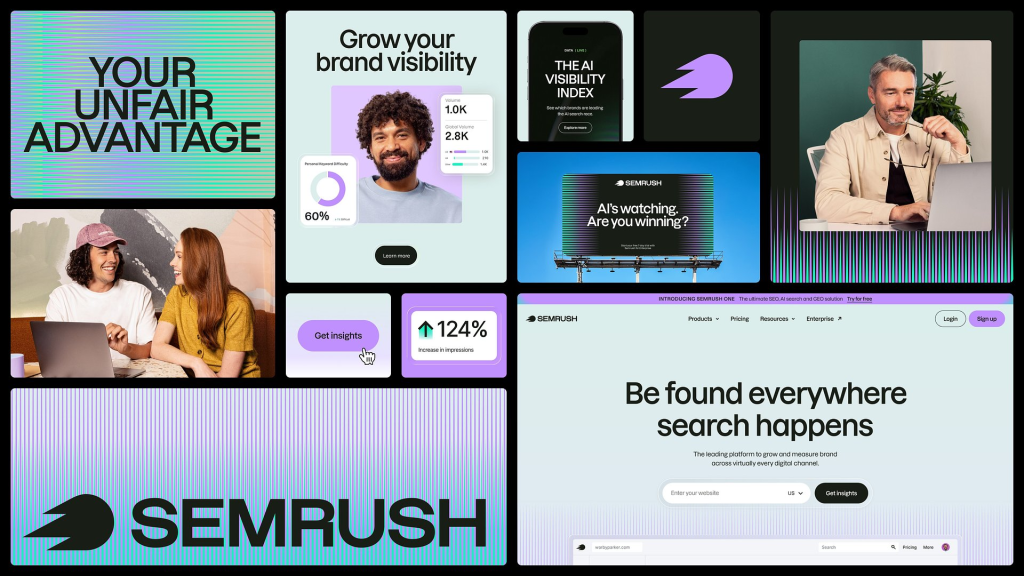
If your traffic has felt inconsistent lately or you are wondering why competitors keep appearing in AI answers while your brand gets ignored, this is probably the right time to rethink how you approach SEO altogether.
Semrush One Solutiongives businesses a practical way to track rankings, AI visibility, competitor presence, backlinks, and content opportunities in one connected workflow.
The earlier you adapt to how search is changing, the easier it becomes to stay visible while everyone else is still trying to figure out what happened to their traffic.