Link Control Protocol
CCNA
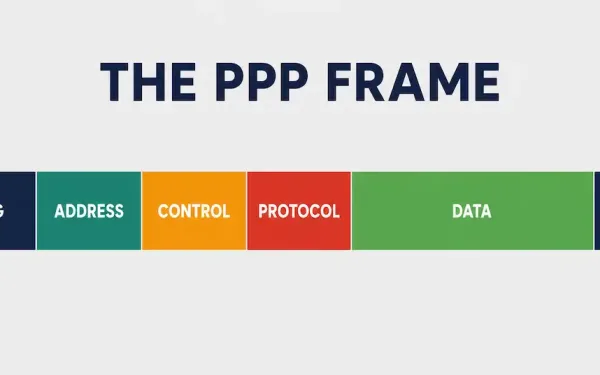
PPP Components: Layered Architecture and Frame Structure Explained
A layered architecture is a logical model that helps different parts of a communication system work together. PPP’s layered model maps reasonably well onto the OSI model: both share the same physical layer, though PPP distributes the work of its Link Control Protocol (LCP) and Network Control Protocol (NCP) differently than OSI’s strict layer boundaries....
CCNA
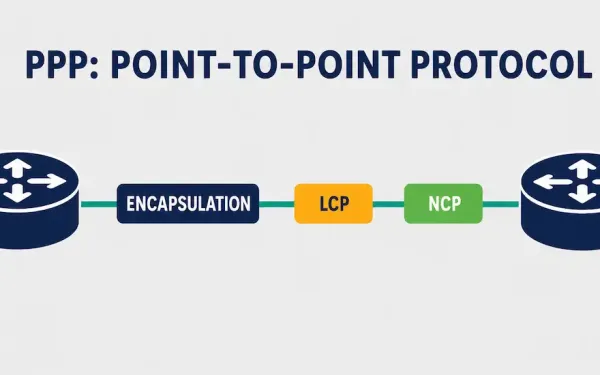
PPP Overview: The Point-to-Point Protocol Explained
PPP (Point-to-Point Protocol) is a WAN encapsulation protocol developed in the early 1990s as a successor to the older Serial Line Internet Protocol (SLIP). It’s an open standard, meaning the protocol can be used consistently across equipment from different vendors — a significant advantage over proprietary alternatives. PPP can run over a remarkably wide range...