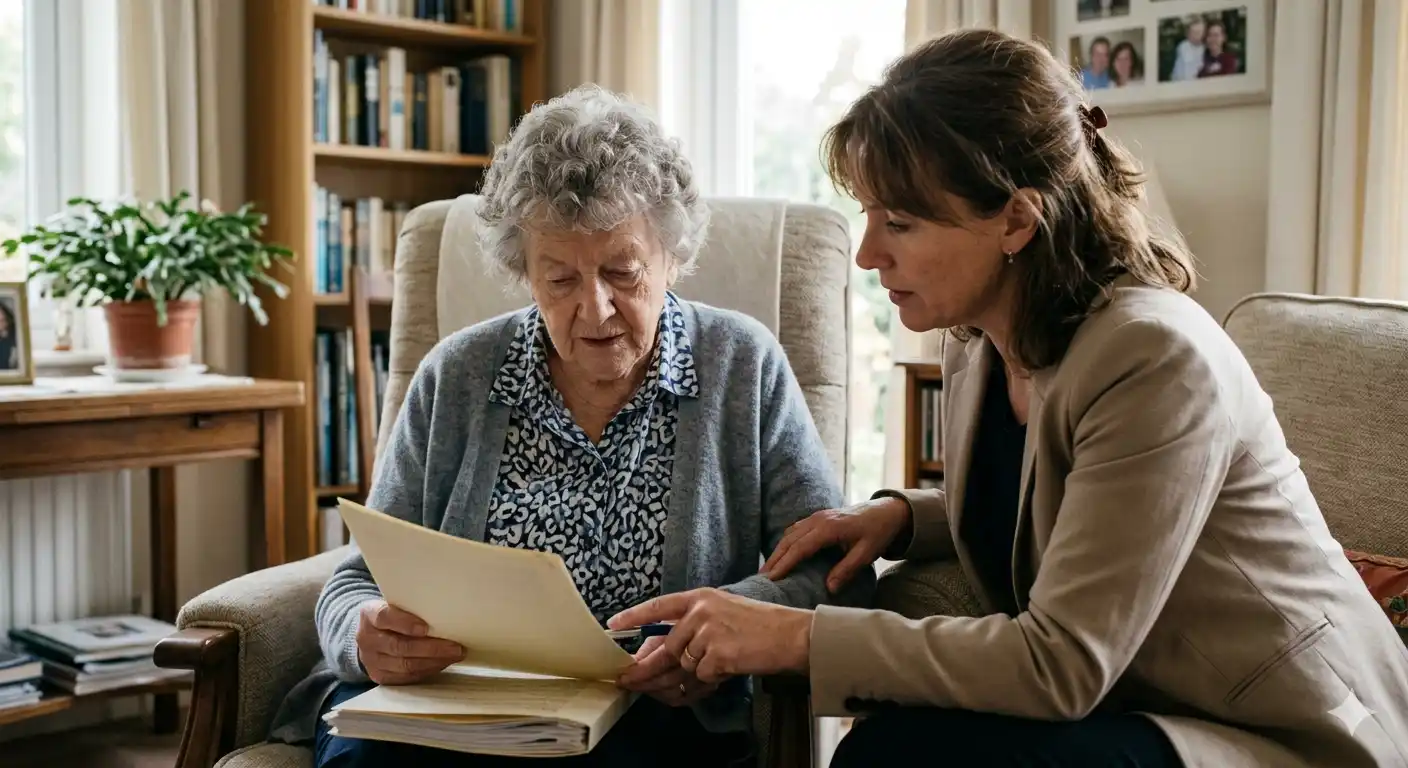
Elder care abuse can leave families facing difficult decisions during an already stressful time. Physical harm, emotional distress, financial exploitation, or neglect may create lasting consequences that affect an older adult’s health, dignity, and quality of life.
When concerns about mistreatment arise, seeking guidance from a qualified nursing home abuse attorney can help families understand available legal options and protect the rights of a loved one. This article explains important factors to consider when choosing the right legal path after elder care abuse and highlights the value of professional legal support throughout the process.
Evaluate the Type of Legal Claim
Different forms of abuse may lead to different legal paths. The nature of the misconduct often influences the type of claim that may be appropriate. A careful legal review can help match the facts of the case with the right claim.
Personal Injury Claims: Personal injury actions may apply when physical harm results from neglect, inadequate supervision, medication errors, or unsafe conditions. Compensation may cover medical expenses, rehabilitation costs, and other damages related to the injury.
Financial Abuse Cases: Financial exploitation can involve unauthorized transactions, misuse of assets, forged documents, or improper control over personal finances. Legal action may focus on recovering losses and holding responsible individuals accountable.
Wrongful Death Claims: In difficult situations, abuse or neglect may contribute to the death of an elderly resident. Family members may have the option to pursue a wrongful death claim when evidence supports such action.
Review State Laws and Filing Deadlines
Each state has laws that govern elder abuse claims, reporting requirements, and filing deadlines. These legal rules can affect the ability to pursue compensation or other remedies. Time limits, known as statutes of limitations, establish deadlines for filing a lawsuit. Missing these deadlines can limit legal options regardless of the strength of the evidence. Legal guidance can help families understand applicable regulations and ensure that important requirements receive proper attention. Knowledge of state-specific laws often plays a significant role in case strategy.
Understand the Value of Legal Support
Elder care abuse cases often involve complex regulations, healthcare records, and institutional policies. Legal professionals can help interpret these details and identify opportunities for action. An attorney may assist with evidence review, negotiations, legal filings, and communication with insurance representatives or facility administrators. Professional guidance can reduce uncertainty and help families focus on the well-being of their loved ones. Legal support also provides a structured approach to accountability. A clear legal strategy can encourage responsible parties to address harm and support meaningful resolution.
Ask Questions Before Moving Forward
Families benefit from asking thoughtful questions before selecting a legal course of action. A careful evaluation of available options helps create a stronger foundation for decision-making. These discussions can provide clarity and help families move forward with greater confidence.
Helpful questions may include:
What evidence currently supports the claim?
Which parties may bear legal responsibility?
What compensation or remedies may be available?
How long might the legal process take?
What additional records may strengthen the case?
Choose a Path That Protects Long-Term Interests
The right legal path should address immediate concerns while supporting long-term well-being. Every case presents unique circumstances, and legal strategies should reflect the specific needs of the affected individual and family.
A knowledgeable nursing home abuse attorney can evaluate evidence, explain potential outcomes, and recommend appropriate legal actions based on the facts. Careful legal planning may help secure compensation, improve accountability, and encourage safer care practices for vulnerable residents.
Elder care abuse can create emotional, physical, and financial challenges that require thoughtful action. Professional legal support can help families navigate complex procedures and make informed decisions throughout the process. A well-chosen legal path promotes accountability, supports recovery, and helps safeguard the dignity and well-being of those affected by abuse.