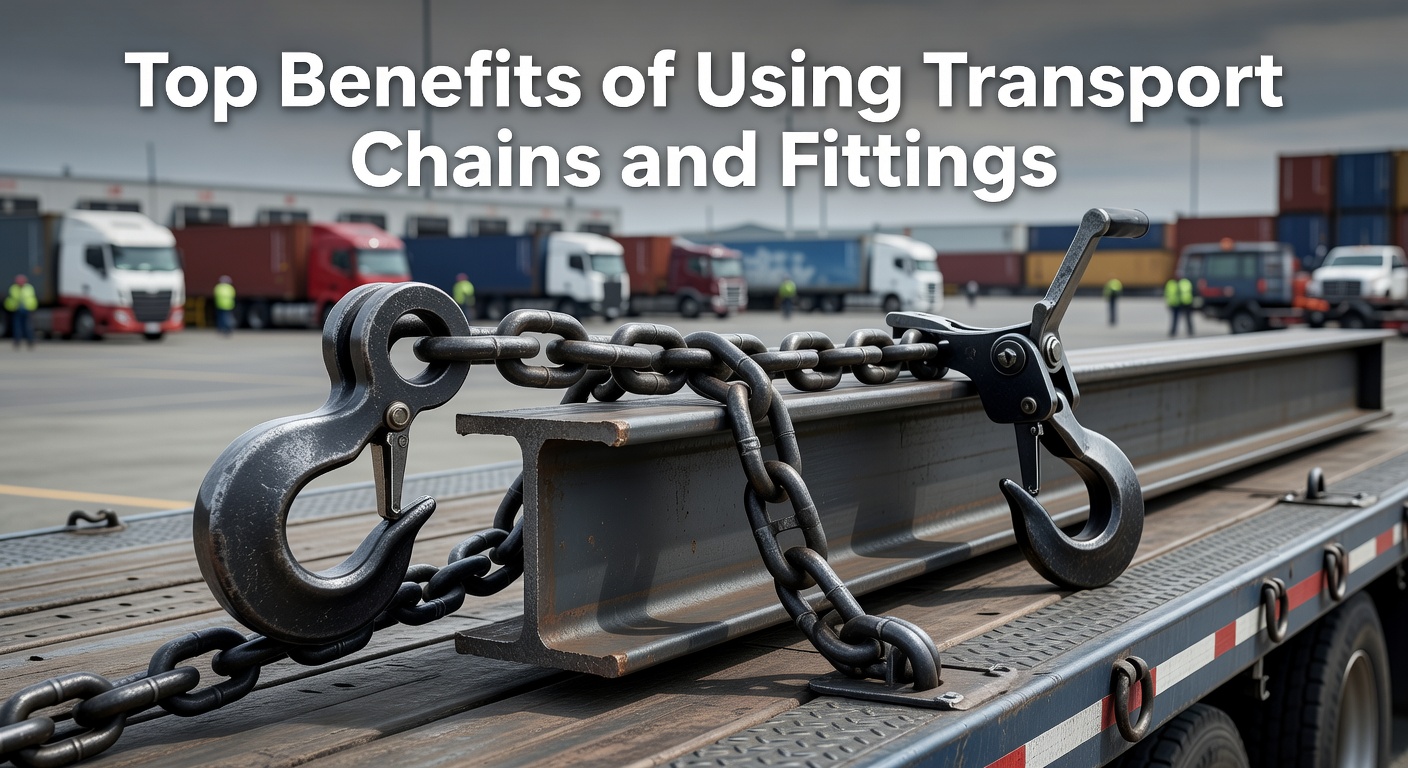
Transport chains and fittings serve as the backbone of heavy-load security across many industries. These tools secure cargo on trucks, ships, and trains to prevent dangerous shifts during transit. Without proper gear, loose freight can cause accidents, injuries, or expensive damage.
Many operators still rely on basic ropes or straps for heavy items. Yet options like Bunzl Transport Chain and Fittings offer superior strength for extreme weights. This article explores the key advantages of using transport chains and fittings for safe and efficient cargo control.
Exceptional Strength for Heavy Loads
Steel transport chains handle far greater tension than synthetic straps or ropes. Their tensile strength allows them to secure massive machinery, steel coils, or construction materials without stretching or breaking. Each chain link distributes force evenly across the cargo, reducing weak points that could fail under pressure. Grade 80 or Grade 100 chains meet strict safety standards for overhead lifting and tiedown applications. Fittings like ratchet binders and shackles complement the chain’s durability by locking tension securely in place. For loads over five tons, chains remain the preferred choice among professional haulers.
Resistance to Abrasion and Environmental Damage
Transport chains withstand harsh conditions that quickly degrade other tiedown materials. They resist cuts from sharp metal edges, friction against rough surfaces, and damage from road debris. Unlike nylon straps, chains do not weaken when exposed to oil, chemicals, or extreme heat. Rain, snow, and salt spray cause rust over time, but proper zinc or yellow chromate coatings provide corrosion protection. Drivers operating in mining, logging, or construction environments find chains outlast straps by several years. This durability translates to fewer replacements and lower long-term costs.
Reliable Load Security Over Long Distances
Vibration and sudden braking can loosen standard tiedowns, yet chains maintain consistent tension when fitted correctly. Lever-style or ratchet binders allow precise adjustment without slippage during a trip. A properly secured chain does not bounce or flap against the trailer, which reduces noise and wear. For irregularly shaped cargo like pipes or vehicles, chains conform to the load’s contours while keeping every point locked down. Many transportation regulations require chains for specific cargo types because of this proven reliability. Drivers gain peace of mind knowing the load will arrive exactly as it was loaded.
Versatility Across Different Cargo Types
Options like Bunzl Transport Chain and Fittings adapt to countless applications beyond flatbed trucking. Farmers use them to secure hay bales or heavy equipment on trailers. Construction crews rely on chains to bundle rebar or anchor prefabricated walls during delivery. Recovery operators employ chains for vehicle towing and winching when straps lack sufficient grip. With interchangeable fittings such as grab hooks, slip hooks, and master links, one chain set handles multiple jobs. A single investment in quality chains and fittings replaces an assortment of single-purpose straps. This flexibility proves especially valuable for businesses with mixed fleets or seasonal cargo changes.
Compliance with Safety Regulations
Guidelines often mandate chain use for specific heavy haul scenarios. General standards set by regulatory bodies require chains for any load exceeding a certain weight threshold. Inspectors look for proper chain grade, hook condition, and binder tension during roadside checks. Using approved fittings ensures drivers avoid fines and out-of-service orders. Insurance companies also view chain secured loads as lower risk, which can reduce premium costs. Following these rules protects not only the cargo but also the driver’s professional record.
Transport chains and fittings provide unmatched strength, durability, and regulatory compliance for heavy cargo securement. Investing in high-quality chains and fittings saves money over time through fewer replacements and lower insurance costs. For any operation moving heavy freight, chains remain the most trustworthy choice.