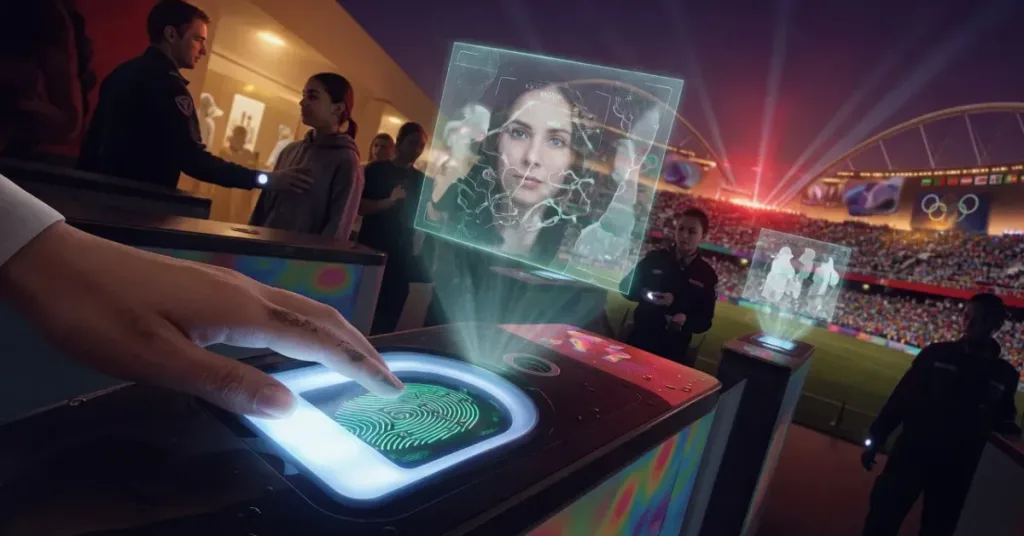
As the world’s attention turns to global sporting events like the FIFA World Cup and Super Bowl, security teams face a daunting challenge: protecting hundreds of thousands of attendees from the threat of human trafficking. However, a powerful tool is emerging to combat this insidious crime — biometric identification.
Biometrics: A Powerful Weapon Against Trafficking
In 2026, major event organizers are increasingly deploying advanced biometric systems to verify the identities of attendees, staff, and vendors. Facial recognition, fingerprint scanning, and iris detection are just a few of the technologies being used to create a secure perimeter and track the movement of individuals on-site.
These biometric checkpoints serve a critical purpose — intercepting potential victims of human trafficking before they can be exploited. According to the International Organization for Migration, biometric identification has led to the identification and rescue of over 500 victims at recent global sporting events. By cross-referencing attendee data against watchlists and known trafficking patterns, security teams can proactively detect and disrupt these criminal networks.
Strengthening the Perimeter with Multimodal Biometrics
To bolster their defenses, event organizers are adopting multimodal biometric systems that combine multiple identification methods. For example, attendees may be required to submit a facial scan, fingerprint, and government-issued ID upon entry. This layered approach makes it exponentially harder for traffickers to circumvent security.
Biometrics Beyond the Gates: Tracking Movements
But the benefits of biometrics don’t stop at the gates. By integrating these systems with video surveillance and access control, security teams can monitor the movements of individuals throughout the event venue. If a potential victim is identified, their path can be traced, and law enforcement can be alerted immediately.
The Privacy Balancing Act
Of course, the use of biometrics at such a large scale raises valid concerns about privacy and civil liberties. Event organizers must strike a careful balance, ensuring robust security without infringing on the rights of attendees. Strict data protection protocols, transparent policies, and independent audits are essential to maintaining public trust.
What to Watch: Biometrics Become the New Normal
As the world emerges from the pandemic, the demand for secure, contactless identification is skyrocketing. Biometrics are poised to become the new normal, not just for major events, but across a wide range of industries. IT and security teams must stay ahead of the curve, mastering the latest biometric technologies and integrating them seamlessly into their operations.
The fight against human trafficking is a global challenge that requires innovative solutions. By leveraging the power of biometrics, event organizers and security professionals can protect the vulnerable, disrupt criminal networks, and ensure that these high-profile gatherings remain safe and secure for all.