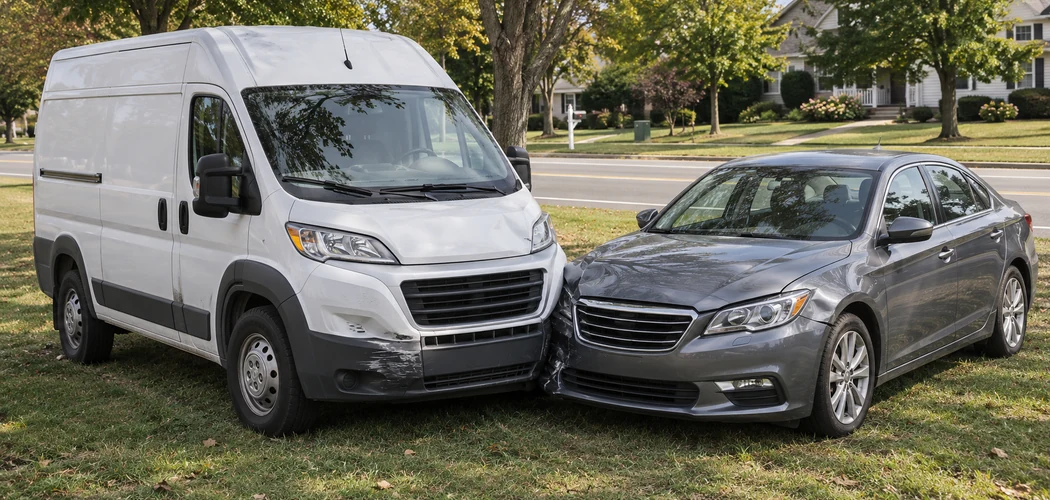
After a crash with a delivery van, truck, or other business vehicle, start with the same priorities as after any road crash. Get help for injuries, avoid moving traffic, and follow directions from emergency responders. You can sort out the company name, insurance details, and claim paperwork once it is safe to do so.
A commercial vehicle accident can take more follow-up than a crash between two privately owned cars. The driver, vehicle owner, and business shown on the side of the vehicle may be different people or companies. Record each detail as you find it. This guide focuses on steps a driver or passenger can take in the United States, with a Texas insurance resource as an example.
What to Do at the Scene of a Commercial Vehicle Accident
Check whether anyone needs immediate help. Call 911 if someone is injured or there is an immediate hazard, such as a fire or vehicles blocking moving traffic. Give the dispatcher your location, direction of travel, and the nearest exit, cross street, or mile marker you can identify. Mention any spilled cargo or other danger you can see from a safe place. Follow the dispatcher’s instructions.
Stay away from traffic and damaged vehicles if there is a hazard. If everyone is uninjured and the vehicles can be moved safely, follow local law and any directions from police about moving out of the road. Leave photography for later if it would involve stepping into traffic or delaying urgent care. The Texas Department of Insurance’s crash guide outlines what information to collect and when to call for help in Texas.
If you were a passenger, write down which vehicle you were in and whether you were traveling for work, using a service, or riding with someone you know. This detail can help when an insurer or employer needs to identify the trip. NetworkUstad’s guide to what to do after an Uber accident covers the additional trip details that matter in a rideshare crash.
Capture the Details That Identify the Vehicle and Business
Exchange the information required at the scene. Record the driver’s name and contact details, the vehicle plate and state, and the insurance information available to you. If police respond, ask for the agency name and the report or incident number. You may need to request the report after it is ready.
A business vehicle often has identifiers that help distinguish it from other vehicles in a fleet. From a safe location, capture any company name, fleet or unit number, and USDOT number you can see. If there is a separate trailer, record its plate or unit number when visible. Keep the observations separate. For example, write “name printed on van” and “name on insurance document” so you know where each came from.
An unmarked van can still be used for business. A vehicle with a recognizable logo may belong to a contractor or a leasing company. If the driver explains who owns it or who they were working for, note what they said without treating it as verified. Give the names and identifiers to your insurer or the investigating officer so they can follow up.
If you can take photos safely, start with a wide view that shows the location and direction of travel. Then photograph visible damage and relevant road features, such as lane markings, signs, and the intersection. Keep the original files. A close-up can show damage, while a wider image helps someone understand where that damage occurred and what was around the vehicles.
Tell Your Insurer What Happened
Notify your insurer using the contact information on your policy or the company’s official claims channel. Describe what you saw and what you did. If you are unsure who owns the business vehicle, share the name and number you recorded and explain where you saw them. Keep estimates of speed, distance, or timing separate from details you can verify.
Ask for a claim number and contact details for the person handling the report. Ask what documents they need and where to send them. If the vehicle was towed, ask how to document where it is being held, what charges may apply, and who can authorize an inspection or move. Save receipts for towing or other related expenses so you can provide them if requested. Coverage and reimbursement depend on your policy and the circumstances.
If you were driving for work, notify your employer or fleet contact through the reporting process you use at work. Give them the crash location, the agency that responded, and any insurer instructions you received. Ask who is arranging towing or repair and whether you need to complete a separate workplace incident report. If you received a message from the other business, keep it with your records and tell your insurer or employer about it.
Keep a File You Can Use Later
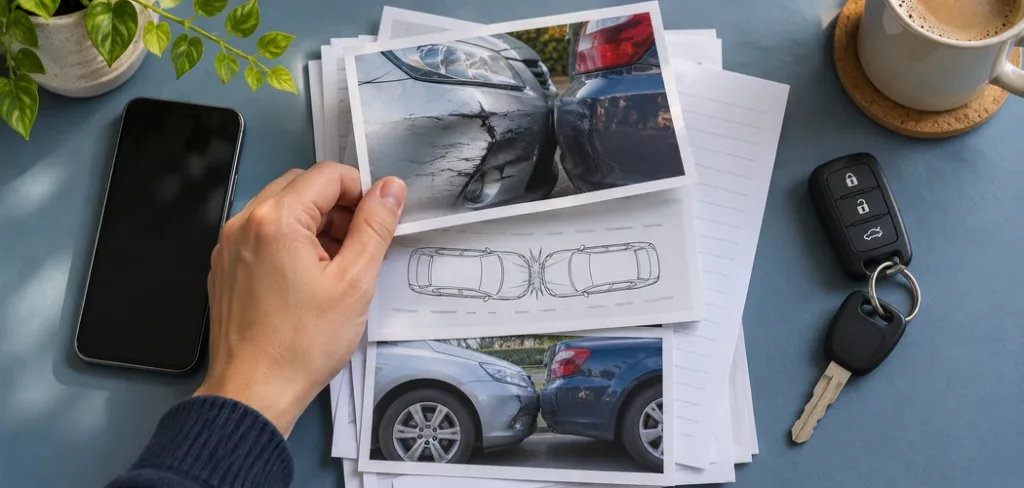
Start a folder with the incident number, insurer claim number, photos, and notes about the location. Add your repair estimate, towing receipt, rental paperwork, and any letters you receive. If you obtain medical care, keep the records you are given and track related expenses. Store documents with personal or medical information somewhere you control.
Build a short timeline. Start with the collision, then add the police response, towing, notifications, and appointments. For calls and messages, note the date, who contacted you, and what they asked you to do. A timeline is especially useful if several businesses are involved and you are receiving separate messages from drivers, dispatchers, and insurers.
If you have dashcam footage, save the original file promptly because some cameras record over older clips. Make a copy for sharing and keep the original as it was recorded. If a witness offers their details, note how to reach them and where they were when they saw the crash. Give those details to the investigating officer or claim handler through their official channel.
If photos show documents or people who were present, share them with people who need them for the claim or investigation. Ask your insurer how they prefer to receive the files. That gives you a clear record of what you sent and helps keep personal information out of public posts or group messages.
Check the Crash Report When It Becomes Available
Ask the responding agency how to obtain a copy of its report and what information you will need to request it. Keep the report number with your claim records. When you receive the report, check the date, location, plate numbers, and vehicle descriptions against your own notes. If you spot a difference, ask the agency how it handles corrections and give your insurer the supporting information.
You may receive separate reference numbers from the police, a fleet department, and one or more insurers. Label each by organization and keep it next to the contact who supplied it. That small step makes follow-up easier when someone asks for a number and you have several in your notes.
Understand Which Records May Exist
What happens next depends partly on the vehicle, the operator, and the rules that apply to the trip. Certain motor carriers have federal recordkeeping duties for qualifying crashes. For example, 49 CFR § 390.15 describes accident-register and related recordkeeping requirements for covered motor carriers. The company’s own records are separate from the report you make to police or to your insurer.
Depending on the circumstances, vehicle inspection records, maintenance records, dispatch records, driver logs, or camera recordings may help clarify what happened. Which records exist varies. A local service van and an interstate freight truck may have different obligations and systems. Tell the claim handler about any visible camera, fleet number, trailer, or witness so they know which records may be worth asking about.
If you think a nearby camera captured the crash, record the business name or location and the approximate time. Pass that information to the police, insurer, or legal representative. Access to footage depends on who controls it and what process applies. Accurate location and timing give the people handling the claim somewhere to start.
Ask for Help When the Claim Becomes Complicated
Sometimes a claim moves forward after an inspection and an exchange of insurance information. Other cases involve serious injuries, different accounts of the crash, or questions about which company insured the vehicle. Ask the claim handler to explain the next step and who is responsible for it. If a request or deadline is unclear, get it in writing.
If you receive a settlement or release, ask what it covers and which claims it would resolve before signing. A qualified lawyer in the relevant state can explain your options when there are significant injuries or disputes about coverage or responsibility. Bring your timeline, report number, and correspondence so the discussion can start with the facts you have.
The most useful things you can do are straightforward. Get to safety, collect only what you can gather safely, and keep a dated record of the decisions and requests that follow. When you cannot identify the business or insurer at the scene, the plate, unit number, and location may help the people investigating the crash find the right vehicle later.