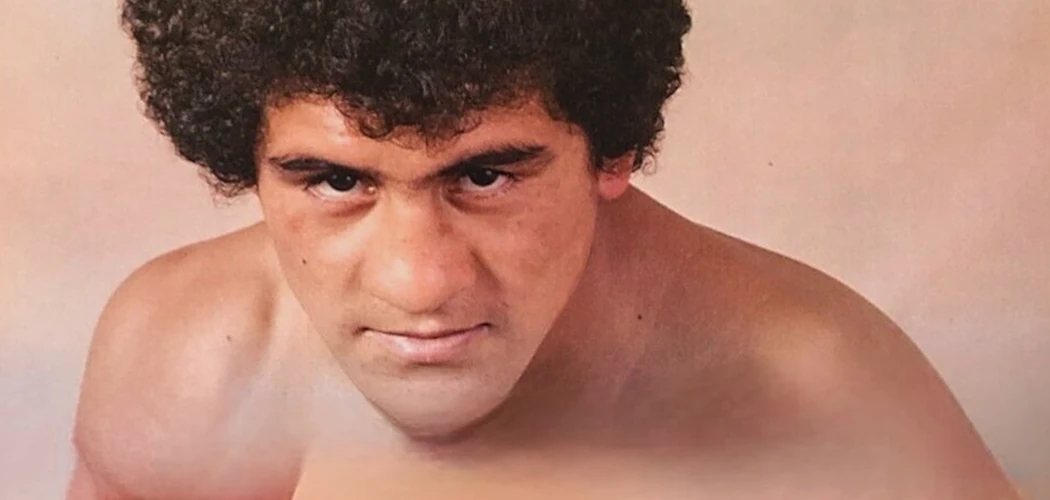
On February 2, 1980, Salvador Sánchez stopped Danny “Little Red” López in the 13th round and became WBC featherweight champion. He had turned 21 the previous week. In the next two and a half years, he beat López again, stopped the previously unbeaten Wilfredo Gómez, and retained his title against Azumah Nelson in the final round of a demanding fight. He was still champion when he died in a car crash at 23.
The Mexican boxer finished with 44 wins, one loss and one draw, with 32 wins by knockout or stoppage. That record tells only part of the story. Sánchez met opponents who posed different problems. López was an experienced champion with proven punching power. Gómez came up from a lighter division with a long knockout streak. Nelson arrived on short notice and pushed Sánchez into the 15th round. Taken together, those bouts show how much Sánchez could do in a ring.
Salvador Sánchez before the featherweight title
Sánchez was born on January 26, 1959, in Santiago Tianguistenco, in the State of Mexico. He turned professional as a teenager. His first setback came at bantamweight, where Antonio Becerra defeated him by split decision in 1977. He also drew with Juan Escobar early in his career. Those two results account for the only loss and draw on his professional record.
Remarkably, Sánchez had already put together an 18-fight winning streak before the Becerra loss. He kept fighting and climbed into contention at featherweight. When he got his shot against López, he already had several years of professional experience. The title bout was the first chance for many viewers to see what he had developed over those years.
At featherweight, the professional limit is 126 pounds. At the time, a championship fight could run 15 rounds. A boxer had to balance the work of each round against the need to stay sharp deep into the bout. For Sánchez, that ability mattered from the night he won the title through the night of his final defense.
How Sánchez took the title from Danny López
Danny López brought an established reputation into the February 1980 bout in Phoenix. He had already defended his WBC belt against a succession of challengers. He could change a fight with one clean punch, and a challenger who exchanged freely with him gave him chances to do just that.
Sánchez controlled much of their first meeting with his jab and counterpunching. He scored repeatedly when López came forward. Over the course of the fight, he kept finding openings without giving López extended chances to answer. The referee stopped the bout in the 13th round. At 21, Sánchez became Mexico’s first featherweight world champion since Rubén Olivares had won the WBC belt five years earlier, according to BoxRec.
López got another chance in June, in Las Vegas. By then, Sánchez had already defended the title against Rubén Castillo. The rematch went into the 14th round before Sánchez again won by stoppage. Two fights against López gave viewers more evidence than one result could. Sánchez could maintain the same level of control against an experienced opponent who had already spent 13 rounds with him and had a chance to prepare for the rematch.
The fights that shaped his title reign
The BoxRec list of WBC featherweight title fights records nine successful defenses. A 2023 World Boxing Council retrospective gives a total of ten. Contemporary press coverage that counted ten included Nico Pérez, whose fight does not appear on BoxRec’s title-bout list. The table follows BoxRec’s bout-by-bout classification.
| Date | Opponent | Result |
|---|---|---|
| February 2, 1980 | Danny López | 13th-round TKO, won the title |
| April 12, 1980 | Rubén Castillo | Unanimous decision |
| June 21, 1980 | Danny López | 14th-round TKO |
| September 13, 1980 | Patrick Ford | Majority decision |
| December 13, 1980 | Juan LaPorte | Unanimous decision |
| March 22, 1981 | Roberto Castañón | 10th-round TKO |
| August 21, 1981 | Wilfredo Gómez | Eighth-round TKO |
| December 12, 1981 | Pat Cowdell | Split decision |
| May 8, 1982 | Jorge García | Unanimous decision |
| July 21, 1982 | Azumah Nelson | 15th-round TKO |
Two results in that list deserve particular attention. Patrick Ford took Sánchez to a majority decision, which means one judge scored the bout a draw while the other two favored Sánchez. Pat Cowdell lost by split decision, with one judge scoring the fight for him. Both results temper the impression given by the more famous stoppages. A challenger could take rounds from Sánchez and give him difficult work over the full distance.
The list also shows how often Sánchez fought during his reign. He won the championship and defended it four times in 1980 alone. That schedule left him with quick turnarounds between bouts. His first two defenses came in April and June, and he returned in September and December to face Ford and LaPorte. Sánchez had to hold his form across a busy calendar against opponents with different styles.
Wilfredo Gómez and the night the champion seized control early
Wilfredo Gómez was the reigning WBC super bantamweight champion when he moved up to face Sánchez in Las Vegas on August 21, 1981. The Puerto Rican entered with 32 wins, one draw and 32 knockouts. He had already beaten Mexican champions Carlos Zárate and stopped every opponent he had beaten as a professional, and his run of stoppages made him a dangerous challenger at 126 pounds.
Sánchez put Gómez down in the first round. Gómez recovered and kept fighting, and the bout lasted into the eighth. Sánchez stopped him there, handing Gómez his first professional defeat. The early knockdown made Gómez fight from behind and gave Sánchez another way to control the exchanges. The result is one reason the bout still appears in discussions of the Mexico–Puerto Rico boxing rivalry.
The matchup also offered a useful test of how the two champions dealt with pressure. Gómez was used to hurting opponents as they tried to trade with him. Sánchez could land and move his feet before the next exchange. Viewers revisiting the fight can watch what happens in the moments immediately after Sánchez lands. His positioning helped him create another opening or leave Gómez with a longer distance to close.
Azumah Nelson and the final round at Madison Square Garden
On July 21, 1982, Sánchez faced Azumah Nelson at Madison Square Garden in New York. Nelson was an undefeated Ghanaian challenger who came in as a late replacement after his fellow contender Mario Miranda withdrew. Nelson had fewer professional bouts than Sánchez, but his performance quickly made clear why the champion would need answers as the fight wore on.
Nelson kept pressing Sánchez into the late rounds. In the 15th, Sánchez brought the fight to an end by technical knockout. The finish was his last as a professional and came shortly before his death. It capped a reign that had begun with a late stoppage of López and included bouts that had gone to the judges.
Nelson went on to become a world champion at featherweight and super featherweight. His later career adds context to the challenge he posed that night. A viewer who knows Nelson chiefly for his own championship reign can watch the 1982 bout to see a younger version of him pressing a champion who was already proven over long fights.
What made Sánchez effective over 15 rounds?
Sánchez’s jab helped him gauge distance and set up counters. In the López fights, watch how often he could meet a forward-moving opponent with a short sequence, then reset before the next attack. He had the balance to punch and move without taking a long pause between those actions. That quality is easier to see over a sustained stretch of a fight than in a highlight reel.
His stoppages of López and Nelson came very late. Against Gómez, the opening round changed the bout immediately. Cowdell and Ford required him to win rounds all the way to the final bell. Those results show the range of ways he could win. They also explain why his reputation rests on a relatively short championship reign. There is enough variety in those fights to see how he responded when an opponent took away an early advantage or stayed competitive much longer than expected.
A useful viewing order begins with the first López fight, followed by Gómez and then Nelson. The López bout shows how Sánchez managed an experienced champion’s pressure. The Gómez bout shows how he used an early opening. The Nelson fight provides the best look at what he could still do in the closing round. Cowdell is worth adding for a closer decision and a very different rhythm.
His death and place in boxing history
Sánchez died in a car crash in Mexico on August 12, 1982, three weeks after defeating Nelson. A second fight with Juan LaPorte had been scheduled for September. LaPorte later fought Mario Miranda for the vacant title and won. Sánchez was inducted into the International Boxing Hall of Fame in 1991.
Any ranking across generations depends on how much weight it gives to peak performance, length of reign and opposition. Sánchez’s reign was short, and the level of opposition he faced gives his record depth. López, Gómez, LaPorte and Nelson all held world titles during their careers. The best evidence for his standing is still the sequence of fights from Phoenix to Madison Square Garden. In those bouts, he won the belt from a veteran, handled a dangerous champion moving up in weight, and found a finish against a future champion in the last round of his career.
Find more athlete profiles and coverage in the NetworkUstad sports archive.
Boxing history note. This profile discusses professional boxing and a fatal car crash. The title-defense table follows BoxRec’s bout classifications. Other historical accounts give a different total.