CCNA
Cisco Certified Network Associate certification resources
Global IPv6 Unicast Addresses Configuration
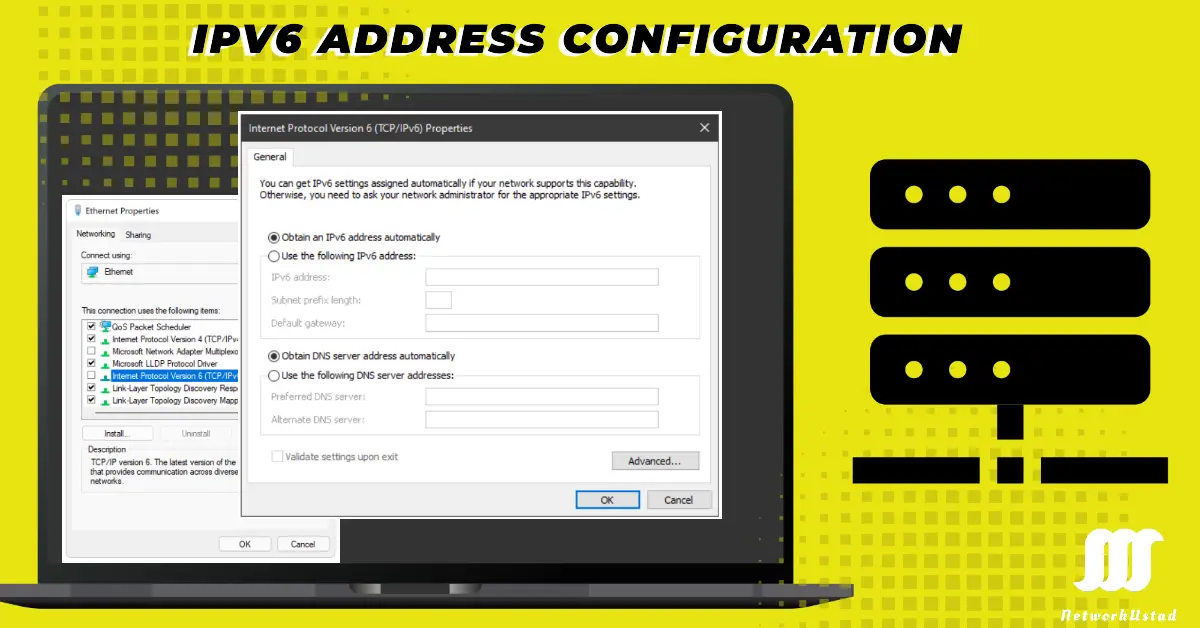
Configuring global IPv6 addresses can feel difficult, but don’t worry—you are at the right place, and we will guide you step by step. Whether you’re a beginner setting up your first IPv6 network or a pro looking to refine your skills, this guide covers everything. We’ll break down the three main methods—manual configuration, Stateless Address...
Router Advertisement (RA) Messages: IPv6 Auto-Configuration Explained
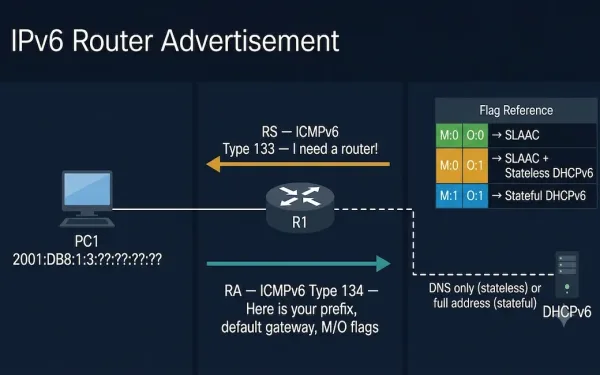
Router Advertisement (RA) messages are a cornerstone of IPv6 networking, allowing routers to broadcast their presence and share critical configuration details with devices on the network. Every IPv6 device on a LAN segment learns its addressing information, default gateway, and DNS configuration through the RA process — making RA messages the primary mechanism by which...
Special-Purpose IP Addresses – IPv4 and IPv6 (Updated April 2025)
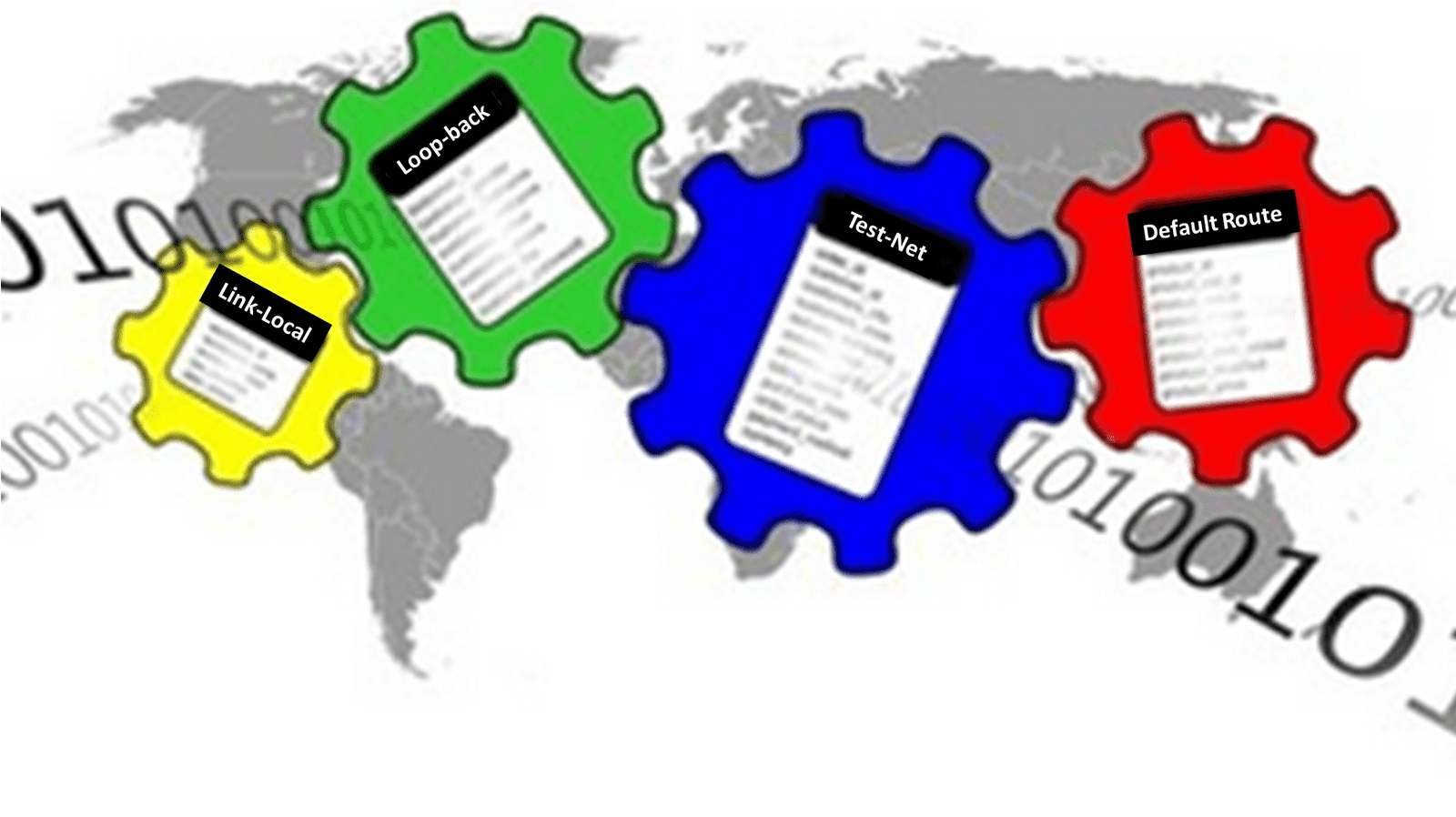
IP addresses are the backbone of network communication, but not all IP addresses are created equal. Some are reserved for special purposes, serving unique roles in networking, from local testing to private networks and multicast applications. As of April 2025, with IPv6 adoption surpassing 70% of global internet traffic (per industry estimates), understanding both IPv4...
Classful vs. Classless IP Addressing: A Complete CCNA Guide
IP addressing is the foundation of every network. Every device — a laptop, a server, an IoT sensor — needs an IP address to send and receive data. But the way those addresses are organized has changed fundamentally since the early internet. The original system, classful addressing, divided the address space into rigid classes and...
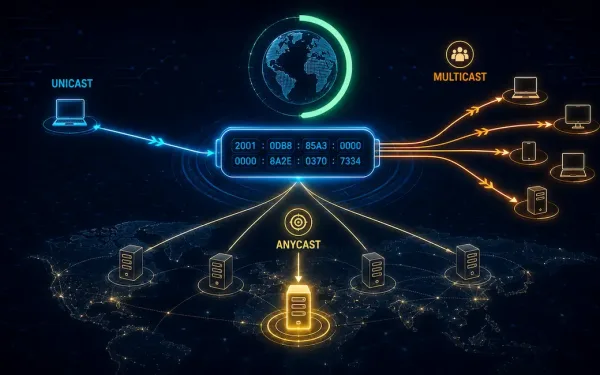
IPv6 Address Types Explained: Unicast, Multicast, and Anycast
What are the IPv6 address types? That’s the focus of this guide. Previous articles in this series covered IPv4 address classes, classless and classful addressing schemes, and special-purpose IP addresses, along with unicasting, multicasting, and broadcasting in IPv4. IPv6 addressing follows a similar conceptual split — unicast, multicast, and anycast — but with a much...
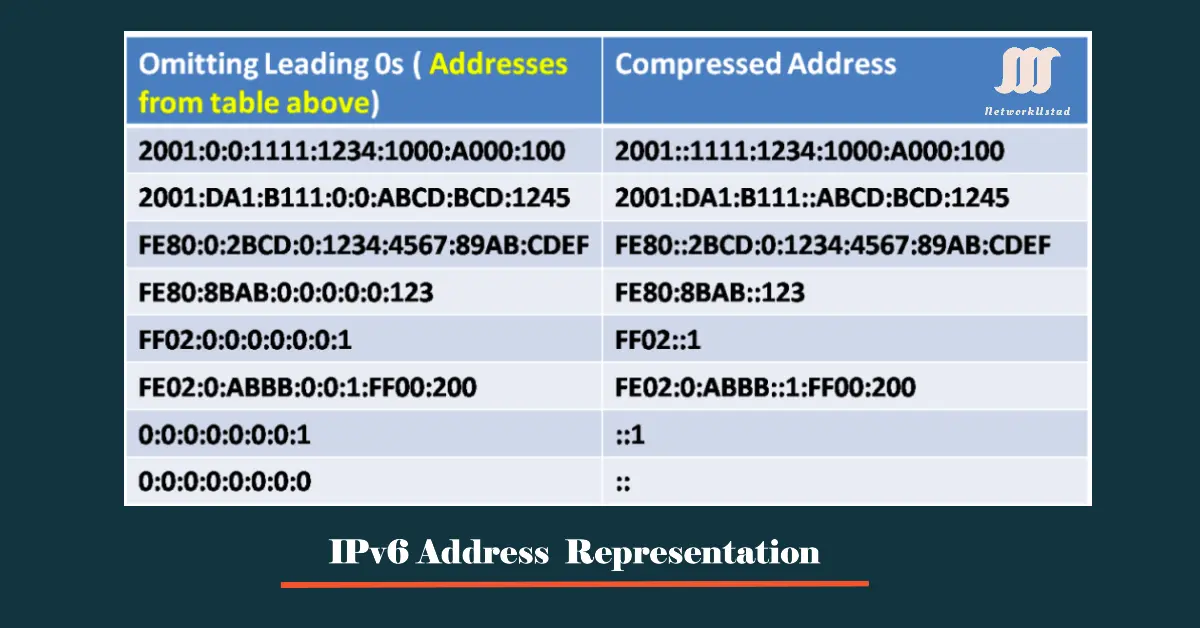
IPv6 Address Representation: Formats, Compression, and Prefix Notation
An IPv6 address is 128 bits long, written as eight groups of four hexadecimal digits separated by colons, where each group represents 16 bits. Addresses can be written in lowercase or uppercase. The preferred format is x:x:x:x:x:x:x:x, where each x is a group of four hexadecimal digits. Each such group is called a hextet —...
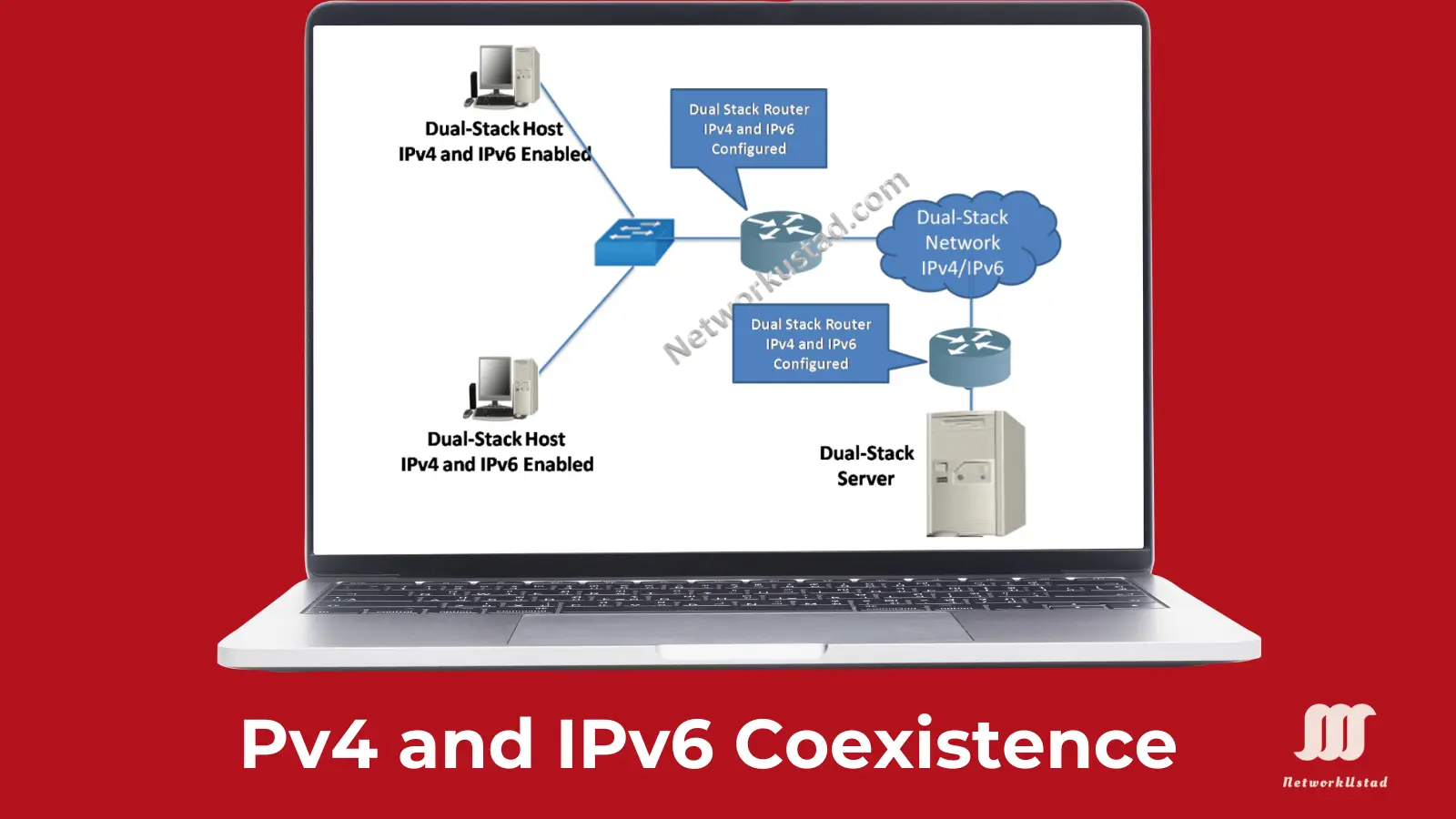
Comprehensive Guide to IPv4 and IPv6 Coexistence: Strategies, Challenges, and Future Outlook
The limited IPv4 address space is one of the main issues for network administrators, IT professionals, and businesses worldwide. So, the time frame for IPv4 to IPv6 transition is important. The main problem in the transition from IPv4 to IPv6 is the size of the Internet. The one-time migration from IPv4 to IPv6 addresses is...
Quiz Test What is IPv6 and Why We Need It? for Self-Assessment
Ready to test your knowledge about IPv6? Dive into our interactive quiz and explore why IPv6 is shaping the future of networking. Challenge yourself, learn something new, and boost your understanding today! 🚀 Start the Quiz Now! Loading Bar Example . CCNA Practice Exam Submit Answers Reset Exam
What is IPv6 and Why We Need It?
The first question is that what is IPv6? So, IPv6 is the latest version of the virtual address in computer networking. Its help devices on the internet find and talk to each other. IPv6 was created to replace IPv4, which is running out of unique addresses which has a capacity of 4.3 billion- while on...
Special-Purpose IP Addresses Quiz Test for Self-Assessment
Test your knowledge with our Special-Purpose IP Addresses Quiz! Assess IPv4 & IPv6 skills with 20 MCQs on loopback, private ranges, and more in this 2025 self-assessment guide. Loading Bar Example . CCNA Practice Exam Submit Answers Reset Exam