
Picture this: you’re navigating a bustling airport, hauling luggage through crowded terminals, or exploring an open-air market under a blazing summer sun. Within minutes, you’re sweaty, uncomfortable, and wishing you had some way to cool down without stopping to fan yourself with a crumpled boarding pass. Overheating during travel is one of those universal frustrations that can drain your energy and dampen even the most exciting adventures.
Traditional solutions — handheld fans, cooling towels, or simply enduring the heat — all come with obvious limitations. That’s where neck fans step in as a genuinely clever modern solution. Worn around your neck like a horseshoe-shaped collar, these hands-free devices deliver a steady stream of cool air directly to your face and neck, letting you stay refreshed while keeping both hands completely free.
This guide is designed to walk you through everything you need to know before buying a neck fan for travel. We’ll break down the key features that separate a great neck fan from a mediocre one, help you assess your personal travel habits, and provide a practical step-by-step selection process. By the end, you’ll have all the tools to confidently choose the neck fan that fits your lifestyle perfectly.
Why Neck Fans Are a Game-Changer for Travelers
A neck fan is a wearable cooling device shaped like a U or horseshoe that rests comfortably around your neck. Small motors and fan blades positioned at each end draw in air and direct it upward toward your face, neck, and chin — the areas where cooling has the most immediate effect on your overall body temperature. Most models are powered by rechargeable batteries and operate with a simple button interface, making them accessible even for the least tech-savvy traveler.
What truly sets neck fans apart from other portable cooling options is the hands-free convenience. Whether you’re rolling a suitcase through a terminal, snapping photos at a landmark, or hiking a sun-exposed trail, you stay cool without sacrificing mobility. Unlike handheld fans that require constant effort or cooling towels that lose effectiveness quickly, a neck fan works continuously in the background without demanding your attention. They’re also remarkably energy-efficient — most models run for several hours on a single charge, making them reliable companions for full-day excursions.
The travel gear market has taken notice. Cooling accessories have surged in popularity as more travelers prioritize comfort alongside adventure, and neck fans have become a staple recommendation in packing lists for summer trips, tropical destinations, and outdoor festivals. For anyone who tends to overheat easily, spends long hours outdoors, or simply wants to arrive at their destination feeling fresh rather than drained, a neck fan delivers practical, immediate relief in a package light enough to forget you’re wearing it.
Key Features to Evaluate in Travel Neck Fans
Not all neck fans are created equal, and understanding which features actually matter for travel will save you from buyer’s remorse. The differences between a forgettable gadget and a genuinely useful travel companion often come down to four core areas: battery performance, physical design, noise output, and cooling effectiveness.
Battery Life and Power Options
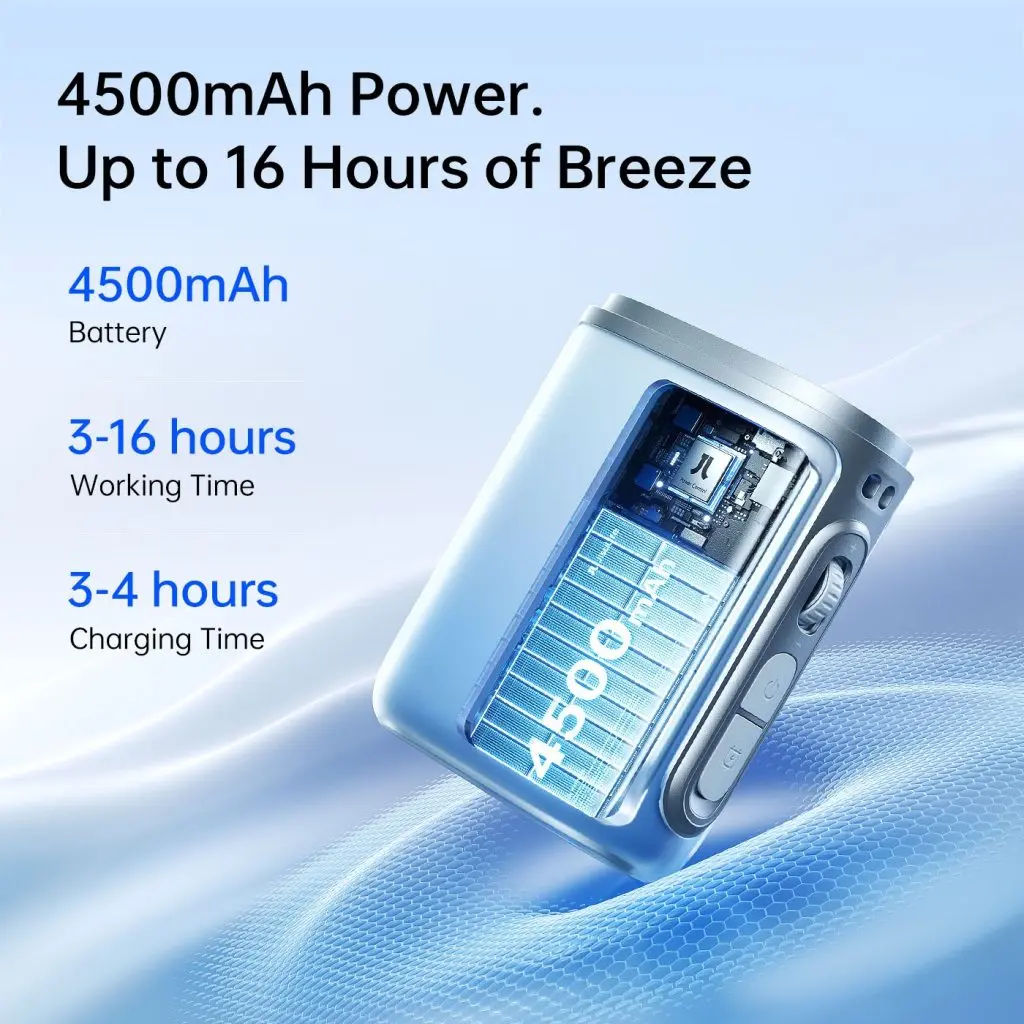
For travelers, battery life is arguably the most critical spec to scrutinize. A neck fan that dies after two hours is practically useless on a full-day excursion. Look for models offering at least six to eight hours of runtime on a mid-range speed setting. Rechargeable lithium-ion batteries have become the standard, and USB-C charging compatibility is a significant advantage since it lets you top up from a power bank, laptop, or airport charging station without carrying extra cables. Some models include a battery level indicator — a small but genuinely useful feature that prevents you from being caught off guard mid-adventure.
Portability and Design
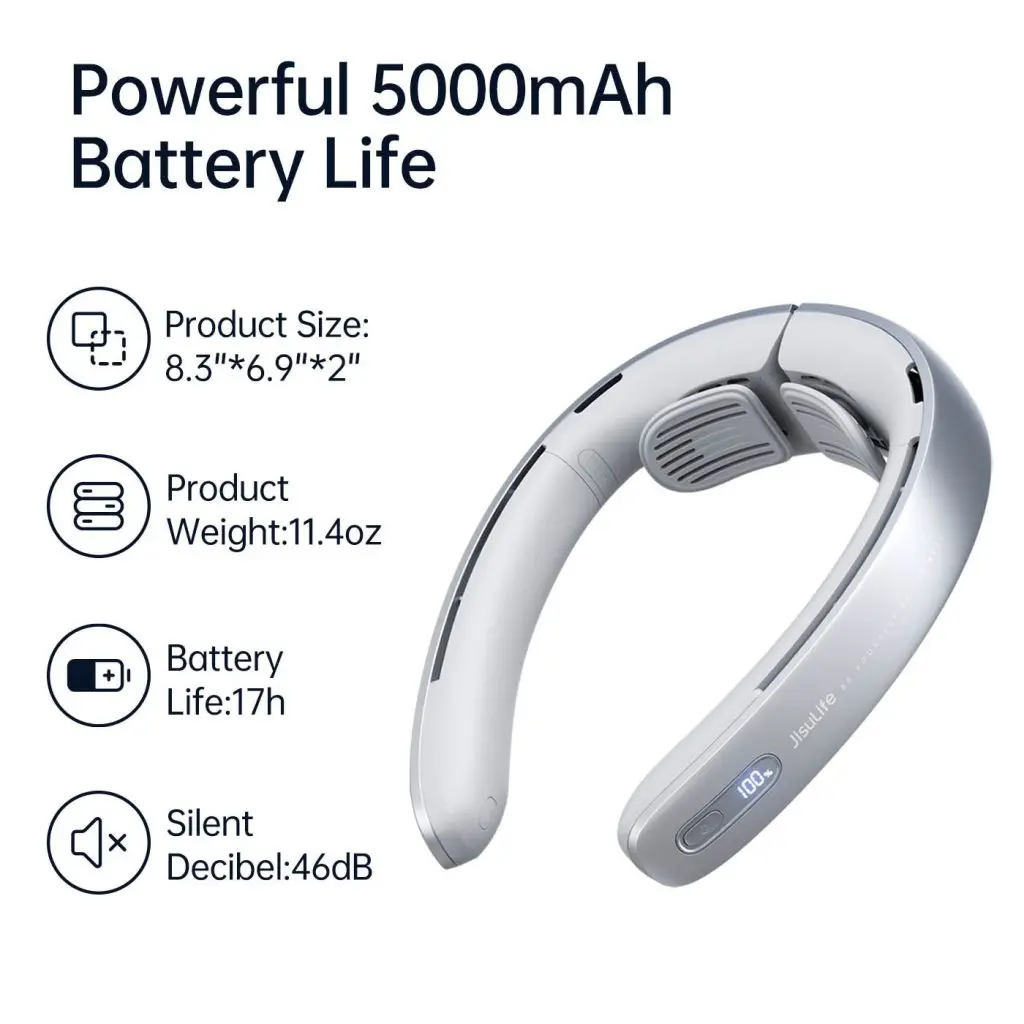
Weight and packability directly affect whether a neck fan makes it into your bag consistently. The best travel models weigh under 200 grams and feature a foldable or detachable design that compresses flat for easy storage in a daypack pocket or personal item. An adjustable neck frame is worth prioritizing too, since a proper fit prevents the fan from sliding around during movement and ensures airflow stays directed where it’s most effective.
Noise Level and Comfort
Using a neck fan in a museum, on a plane, or at an outdoor café means noise level genuinely matters. Quality models operate below 45 decibels on lower settings — quiet enough to hold a conversation without raising your voice. Comfort during extended wear depends on the frame material and weight distribution. Soft-touch silicone or flexible plastic frames that contour to the neck reduce pressure points, making hours of continuous wear far more tolerable.
Cooling Performance and Airflow
Motor strength and fan speed variety determine how effectively a neck fan handles real heat. Models with three or more speed settings give you flexibility — a gentle breeze for mild warmth and a stronger airflow for intense heat or physical activity like hiking. Directional nozzles that angle airflow toward your face rather than straight upward dramatically improve perceived cooling, particularly in high-humidity environments where even moderate airflow provides meaningful relief.
Assessing Your Personal Travel Needs and Preferences
Before browsing product listings, it’s worth spending a few minutes honestly evaluating how and where you actually travel. The ideal neck fan for someone backpacking through Southeast Asia looks quite different from what a business traveler needs for airport layovers or what a theme park enthusiast requires for a summer family vacation.
Start by considering your destination climate. Travelers heading to humid tropical environments — think Thailand, Florida in July, or the Caribbean — need stronger airflow and moisture-resistant construction more than someone visiting a dry desert climate where even gentle air movement provides significant relief. If your trips frequently involve high-altitude or cooler destinations, a neck fan may be more of an occasional accessory than a daily essential, which shifts the value equation toward lighter, more budget-friendly options.
Your typical activity level matters just as much. Sightseeing in cities involves moderate movement with frequent stops, making comfort and noise level the priority. Hiking or outdoor festivals demand more robust cooling performance and a secure fit that won’t shift during physical activity. If you frequently use public transportation, sit in museums, or attend performances, a whisper-quiet model becomes non-negotiable.
Finally, reflect on your personal heat sensitivity and how much you’re willing to carry. Travelers who run hot and sweat easily should prioritize maximum cooling performance and battery runtime over compactness. Those who overheat only occasionally might prefer the lightest, most packable option available. Matching the fan’s capabilities to your genuine needs — rather than buying the most feature-packed model by default — is what separates a well-used travel tool from one that stays buried at the bottom of your bag.
Step-by-Step Guide to Choosing Your Perfect Neck Fan
With a clear understanding of key features and your personal travel profile, you’re ready to make a confident, well-informed purchase. Following a structured approach prevents impulse buying and ensures the fan you choose genuinely fits your lifestyle rather than just looking good in product photos.
The first step is setting a realistic budget. Neck fans range from budget-friendly options under $20 to premium models exceeding $60. Spending more generally gets you better battery life, quieter motors, and more durable materials — but only pay for features you’ll actually use. A casual traveler who overheats occasionally doesn’t need the same investment as someone spending two weeks hiking through humid rainforests.
Next, rank your must-have features using the criteria covered earlier. Write down your top three non-negotiables — whether that’s runtime, noise level, or packability — and use that list as a filter when browsing. This prevents you from getting distracted by flashy extras that won’t serve your specific travel style.
From there, research models that meet your criteria by reading verified buyer reviews rather than relying solely on manufacturer descriptions. Focus on reviews from travelers who describe situations similar to yours. Pay attention to comments about real-world battery performance, since advertised runtimes are typically measured at the lowest speed setting.
Before finalizing your decision, check brand reputation and warranty terms. Established brands with responsive customer support and at least a one-year warranty offer meaningful protection for a device you’ll depend on in unfamiliar places. A slightly higher upfront cost from a reputable brand often beats a cheaper alternative with no post-purchase support.
Finally, simulate your actual usage scenario mentally. If you’re buying for a beach vacation, picture wearing the fan for six consecutive hours in high humidity. Does the model you’re considering realistically hold up? Running through this mental test against your shortlist often reveals a clear winner before you ever click “add to cart.”
Top Neck Fan Recommendations and Solutions
Choosing the right neck fan becomes much easier when you match specific models to specific traveler types. Rather than chasing a single “best” option, think about which category fits your travel style most closely.
Budget-conscious travelers who need reliable everyday cooling without overspending will find solid value in entry-level rechargeable models from brands like JisuLife and TORRAS. JisuLife in particular has built a reputation among frequent travelers for offering dependable battery life and lightweight frames at accessible price points — their fans typically deliver three speed settings, four to six hours of runtime, and a compact design that slips easily into a daypack. They perform well enough for city sightseeing or airport layovers without breaking the bank, and while they won’t win awards for whisper-quiet operation, ambient outdoor noise generally masks the motor sound effectively.
For travelers who prioritize premium comfort and quiet performance — frequent flyers, business travelers, or anyone spending time in cultural venues — brands like Vòcoo and Benks offer brushless motor designs that operate nearly silently while maintaining strong airflow. These models tend to feature softer neck frames, longer battery life, and USB-C fast charging, making them worth the higher investment for regular travelers.
Outdoor enthusiasts and hikers need something built tougher. Look for models with secure adjustable frames, higher maximum airflow, and sweat-resistant materials. Fans marketed specifically for sports or outdoor use often include reinforced construction and stronger motor output designed to handle sustained physical activity in humid conditions.
Regardless of category, prioritize models with verified reviews from real travelers, clear warranty terms, and USB-C charging compatibility. These three factors, more than any single spec, predict long-term satisfaction with your purchase.
Make Your Choice and Travel Cooler
Staying cool during travel isn’t a luxury — it’s what keeps you energized, focused, and actually enjoying the experiences you planned so carefully. A well-chosen neck fan addresses that need directly, delivering hands-free relief that works whether you’re sprinting through a terminal or lingering at an outdoor market in peak afternoon heat.
Throughout this guide, we’ve covered the features that genuinely matter: battery life that lasts through full-day adventures, portability that makes packing effortless, quiet operation for shared spaces, and airflow strong enough to handle real heat. Equally important is the self-assessment piece — understanding your destination climate, activity level, and heat sensitivity before shopping ensures you choose a fan built for your actual travel life, not someone else’s.
The step-by-step selection process ties it all together. Set a realistic budget, identify your non-negotiables, read honest traveler reviews, and mentally test your shortlist against your real usage scenario. That disciplined approach consistently leads to purchases you’ll use rather than regret.
The right neck fan is one you forget you’re wearing — until you notice how much more comfortable and capable you feel compared to everyone around you sweating through the same conditions. Apply what you’ve learned here, make your choice with confidence, and go enjoy your travels without the heat slowing you down.