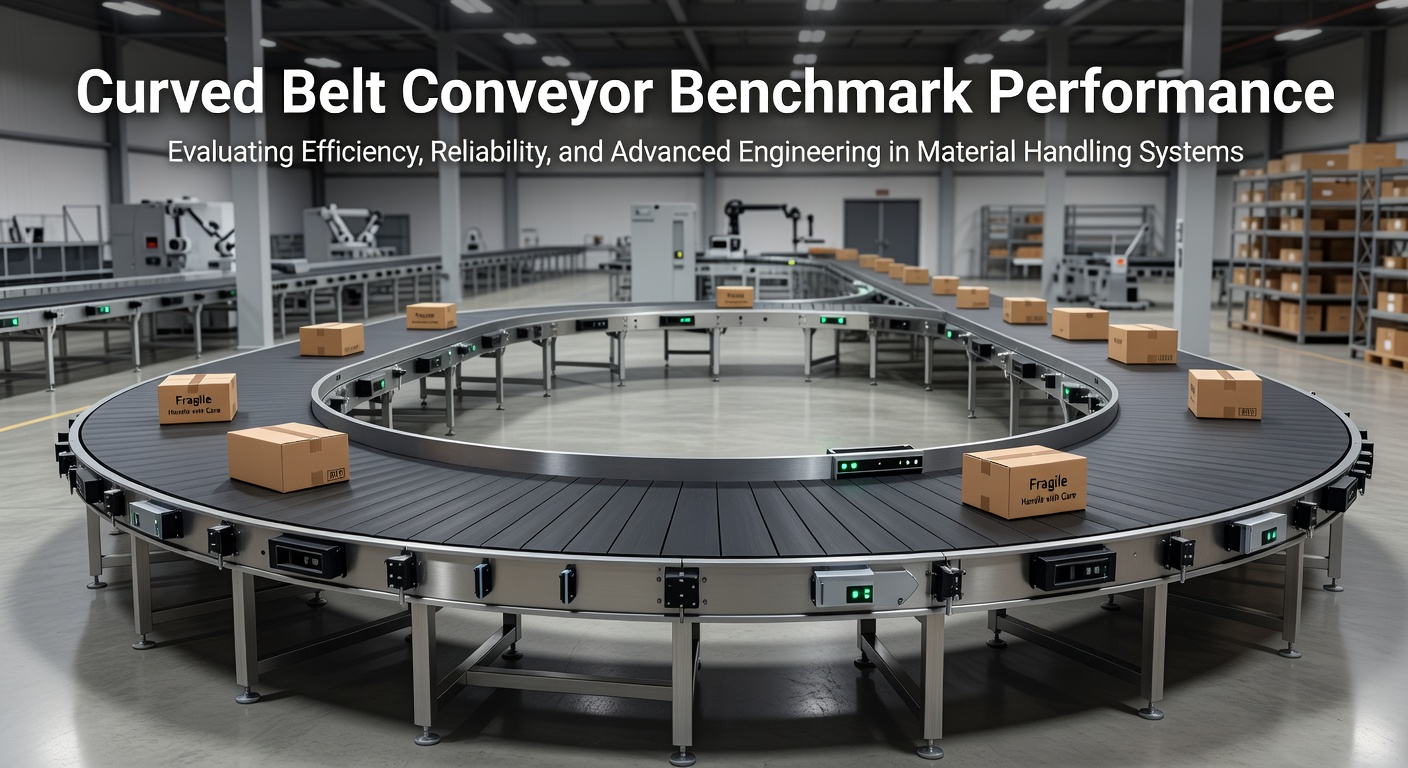
Curved belt conveyor systems in the USA play a key role across packaging, food processing, and manufacturing plants. Every facility counts on clear performance marks to keep production moving at top speed.
You see operators focus first on stats like load and speed as top needs when they pick a system. Steady flow depends on these specs matching real needs, not just numbers on a sheet from suppliers. In addition, steel frames and strong belts stand up well over years of round-the-clock use when you choose them with long life in mind.
Quick checks help you spot wear early before it leads to downtime or big repair costs later. So let us look closer at how you can check true load alongside speed needs within modern curved belt conveyor systems.
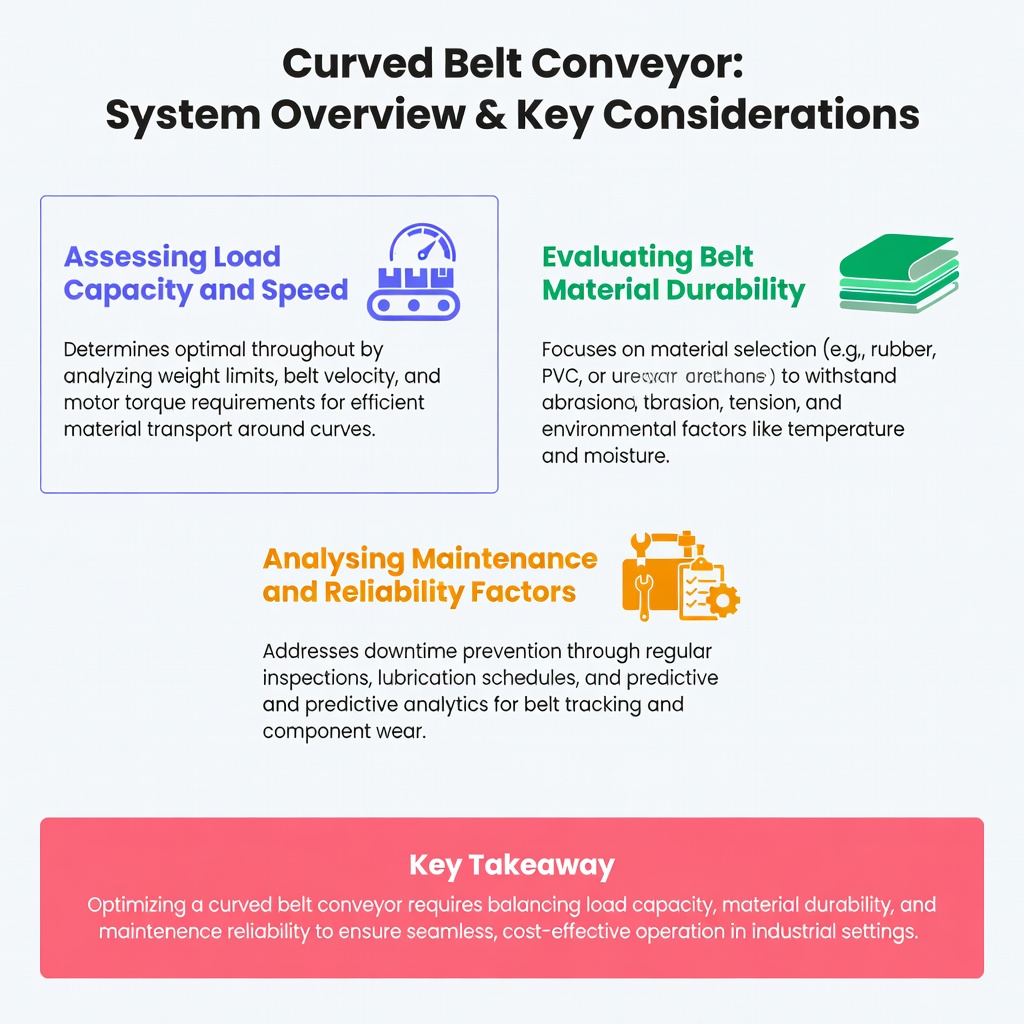
Assessing Load Capacity and Speed
Assessing load capacity and speed is key for smooth curved belt conveyor systems in the USA. The right balance starts when you know the weight and type of items you need to move. Small parcels, such as those in e-commerce warehouses, are handled in a new way from bulk goods like those in mining, so speed and load ratings will differ.
For fast packaging or fulfillment centers, Thermoplastic Polyurethane (TPU) belts give light strength, supporting load limits while cutting energy use by up to 20% over old steel-reinforced options. In this fast setting, any stretch or slip can stop your whole line, so low-stretch polyester fabrics are used for steady runs at speeds that often top 350 feet per minute.
With lighter belts, wear on frames, rollers, and bearings is cut, helping you keep uptime. In addition, the match between incline angle, package surface, and belt top cover hardness is key, most of all to stop slip and keep throughput at set speeds.
From fulfillment to food production, each load case needs certified static control, key at top speeds to help you avoid power issues. Overall, the mix of these details helps you set a benchmark for the performance and reliability of your curved belt conveyor systems in the USA.
Evaluating Belt Material Durability
The choice of belt material plays a key role in how a curved belt conveyor works and how long it will last in your packaging or production line. When you take time to check belt material life, you can avoid too much downtime and ensure that your conveyor smoothly supports your load and speed needs.
- Material Composition: Most curved belt conveyors use rubber, PVC, or steel belts that you pick based on workload and conditions. Rubber belts work well for taking hits, while PVC belts are often picked for easy cleaning and smoother runs.
- Resistance to Wear and Abrasion: The best belts in US manufacturing and recycling must stand up to steady wear, sharp objects, and heavy items. According to Plant Engineering Magazine, belts with reinforced edges can extend service life by up to 35% over standard belts.
- Compatibility with Environment: It’s key to match belt material with the temp, chems, and dampness in your work or space. High-heat use or oil exposure may need special materials that stop breakdown, so you can keep your system solid for the long haul.
Analyzing Maintenance and Reliability Factors
Maintenance and reliability play a major role in curved belt conveyor benchmark performance. When you know these key factors, you can keep your lines running and get more from your spend.
- Non-invasive diagnostics: Routine checks with non-invasive tools are key for finding hidden flaws in the belt’s core. With magnetic or X-ray systems, you can spot wear early and plan fixes before big problems pop up.
- Regular inspection schedules: Top conveyor performance depends on a strict check plan made for each line’s run needs. Different loads, speeds, and use history all shape how often you should check belts for wear, scuffing, and hidden core damage.
- Early detection of abrasive wear: Sand, coal, and other rough loads can cause fast, hard-to-call wear that cuts belt life over time. When you track more abrasion, you can tweak upkeep plans, swap materials, and fine-tune discharge points to boost uptime.
- Visual condition mapping: Using diagnostic systems that make condition maps, you can see at a glance which belt sections need care and when to step in. These color-coded views make it easy to set plans for repairs, replacement, or deeper checks, so you keep the line reliable and throughput steady.
Curved belt conveyor benchmark performance comes down to clear results that matter on the production floor. You see our systems speed up flow and remove choke points. In fact, studies at many plants show our curved conveyor systems lift line output by up to 17% compared to straight layouts.
This means you get real gains at each install in pack gear linkup and system uptime. Our Miami-built GLOBALTEK® conveyors include UL-certified, stainless steel frames built for easy cleaning and long use.
Even in fast plants, you get curves that make changeovers easy and keep steady speeds for fillers and capper machines. Smooth moves around corners protect product and make the best use of space. We have worked with nutraceutical, food, and cosmetics customers who need more flex without giving up on rules they must meet.
In addition, our system checks include on-site tests to prove flow and fit with rotary tools or sealers. Every project benefits from our focus on fast setup and site-specific support. As a result, GLOBALTEK® delivers conveyor systems that help you scale up and stay on spec, batch after batch.