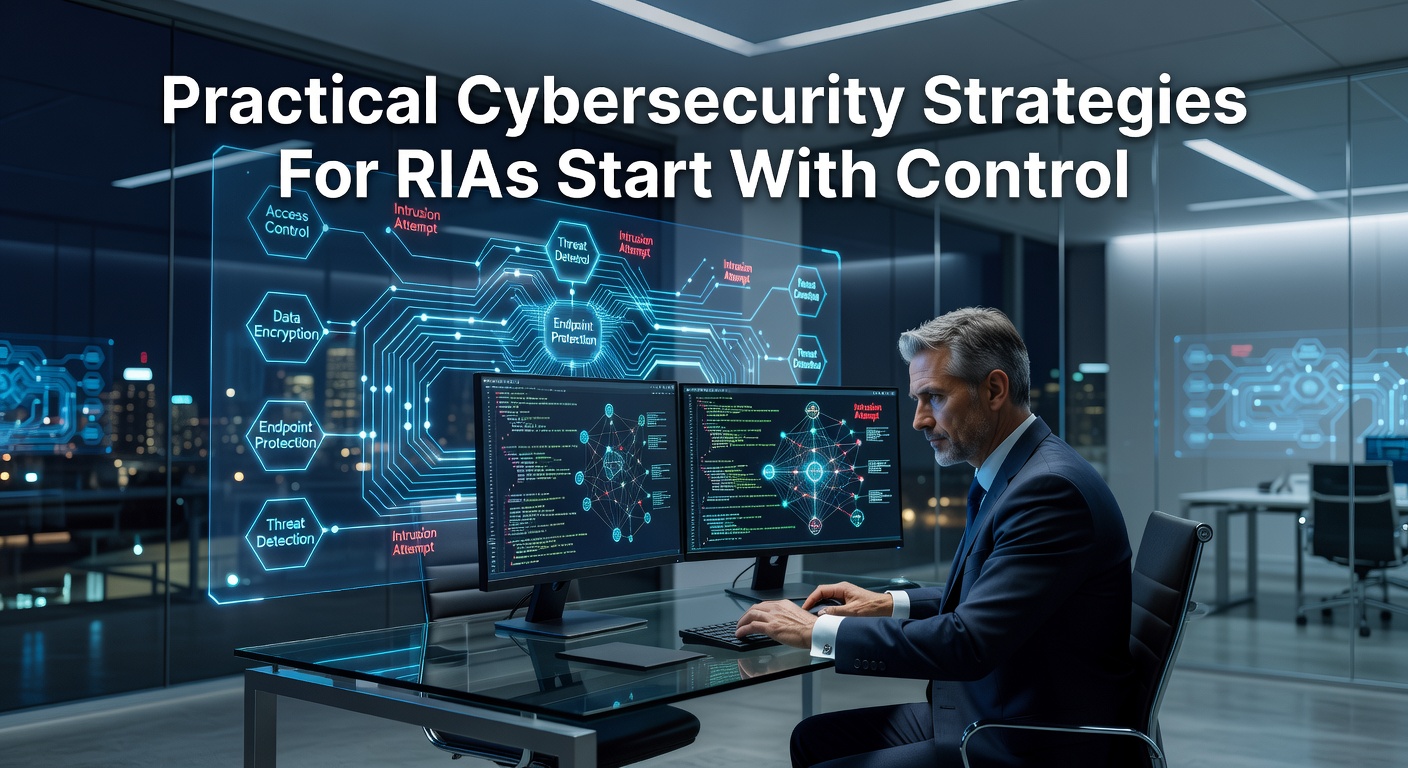
Registered Investment Advisors operate under constant pressure to protect sensitive client information. The volume of digital threats continues to grow, but the path toward stronger security does not require massive budgets or complex infrastructure. What matters most is control – knowing who has access, how systems are protected, and how consistently safeguards are applied.
For many firms, especially those evaluating Cybersecurity for RIAs in Des Moines, Iowa, the focus is shifting toward practical improvements that can be implemented quickly without disrupting daily operations. The goal is not perfection. It is building a system that is reliable, visible, and aligned with regulatory expectations.
Access Management Sets The Foundation For Everything Else
Strong cybersecurity often begins with something simple – controlling access. When firms clearly define who can access specific systems and data, they immediately reduce the risk of unauthorized activity.
Every employee should operate under a unique account, creating a clear record of actions across the organization. Shared credentials, while convenient, make it nearly impossible to track behavior or respond effectively when something goes wrong.
Adding another layer of verification further strengthens this foundation. Requiring a second step during login, whether through a mobile app or authentication code, makes it significantly harder for attackers to use stolen credentials. This approach transforms passwords from a single point of failure into part of a broader security system.
Equally important is limiting access based on actual needs. When employees only have the permissions required for their roles, the impact of any compromised account is contained. Over time, this disciplined approach simplifies audits and improves overall visibility into how systems are used.
Technical Safeguards Create A Protective Layer Around Data
Behind every secure advisory firm is a set of technical controls that quietly protect devices and information. These controls do not need to be complicated, but they must be consistently applied.
Encryption plays a critical role in protecting data stored on devices. If a laptop or mobile device is lost, encrypted data remains inaccessible to unauthorized users. Combined with endpoint protection tools that monitor unusual activity, firms gain the ability to detect and respond to threats before they escalate.
Keeping systems updated is another essential element. Many cyber incidents begin with known vulnerabilities that were never patched. Automating updates ensures that these gaps are closed quickly, reducing the window of opportunity for attackers.
Managing devices centrally adds another layer of control. Firms can enforce security settings, monitor device status, and take action if something goes missing. This level of oversight not only strengthens security but also provides clear evidence of control during regulatory reviews.
Data Protection Is At The Core Of Regulatory Expectations
Protecting client data is not just a technical requirement. It sits at the heart of what regulators expect from RIAs. Ensuring that information remains confidential, accurate, and accessible requires a coordinated approach.
Encryption should extend beyond devices to include data moving between systems. Secure backups ensure that information can be restored quickly if something goes wrong, while separating those backups from primary systems reduces the risk of widespread data loss.
Advanced tools can add another layer of intelligence by identifying sensitive data automatically. When documents containing financial details or personal identifiers are flagged, firms can apply stricter controls to how they are shared and accessed.
Preventing accidental data exposure is just as important as defending against external attacks. Monitoring outbound communications and restricting unauthorized transfers helps ensure that sensitive information stays within controlled environments.
When combined, these measures create a framework that aligns closely with regulatory expectations while remaining practical for everyday use.
Employee Awareness Shapes The Firm’s Security Culture
Technology alone cannot eliminate risk. Human behavior remains one of the most important factors in cybersecurity.
Employees interact with systems, emails, and client data every day, which makes their awareness critical. Training programs that focus on real-world scenarios help staff recognize suspicious activity and respond appropriately.
Instead of overwhelming employees with complex instructions, effective training keeps things simple and relevant. Showing examples of phishing attempts or common social engineering tactics helps people connect theory with practice.
Reinforcing this knowledge regularly keeps awareness high. Short, focused sessions are often more effective than infrequent, lengthy training programs. Over time, this creates a culture where employees actively contribute to security rather than viewing it as an external requirement.
When mistakes happen, clear communication processes ensure that issues are reported quickly and handled efficiently. This turns potential vulnerabilities into manageable incidents rather than major disruptions.
Preparedness Defines How Firms Respond To Incidents
Even with strong controls in place, no system is completely immune to risk. What separates resilient firms from vulnerable ones is how they respond when something goes wrong.
A structured incident response plan provides clarity in moments of uncertainty. It defines roles, outlines communication steps, and ensures that critical actions are taken quickly. Without this structure, even minor incidents can escalate due to confusion or delayed responses.
Preparation also involves testing these plans. Simulated scenarios allow teams to practice their response and identify areas for improvement. Over time, this builds confidence and ensures that real incidents are handled with precision.
Business continuity planning extends this readiness further. Firms need to consider how they will continue serving clients if systems become unavailable. Having alternative processes in place ensures that operations can continue even under challenging circumstances.
Cybersecurity Reflects Professional Responsibility
For RIAs, cybersecurity is more than a technical discipline. It reflects the responsibility firms have toward their clients.
Advisors are trusted with financial futures, and that trust extends to how client information is protected. Firms that approach cybersecurity with structure and consistency demonstrate that they take this responsibility seriously.
As more firms focus on Cybersecurity for RIAs in Des Moines, Iowa, the emphasis continues to shift toward practical, sustainable strategies. It is not about reacting to every new threat. It is about building a system that remains effective over time.
Cybersecureria supports this approach by helping advisory firms implement controls that align with SEC expectations while fitting naturally into daily operations. By combining technical safeguards, clear processes, and ongoing guidance, RIAs can operate with confidence in an environment where cybersecurity is no longer optional, but essential.