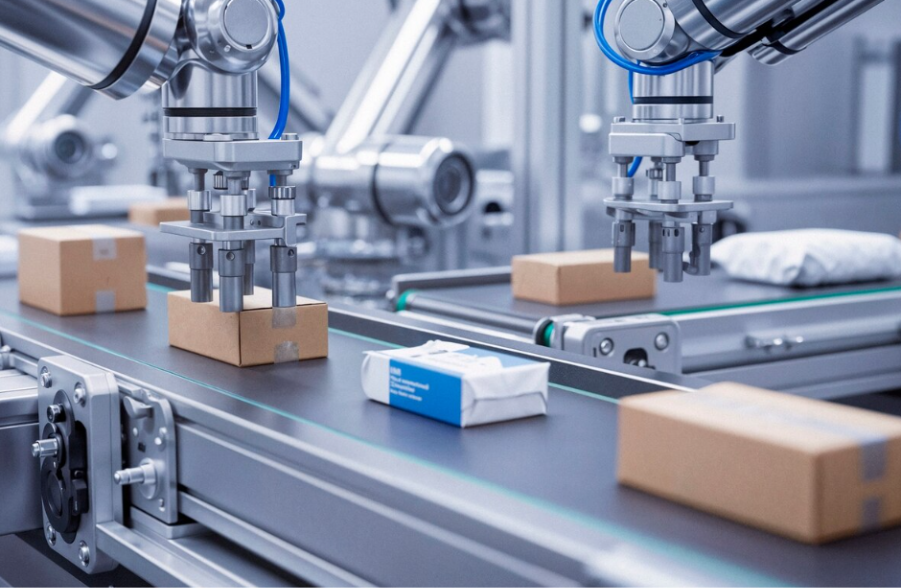
Many production lines continue to use manual movement between workstations, where materials are either physically transported or moved between workstations. This makes the business slow down as work halts every time transport is needed.
These small delays, as time goes by, start adding up and create delays in the whole workflow. They also lower consistency as the speed of movement is related to personal effort and accessibility.
This is where automated material flow starts to change how production behaves.
In conveyor-based systems, products are passed through multiple steps without the use of hand exchange. It helps to minimize downtime at the workplace and allows keeping a constant production flow across the line. This shift also enhances coordination among processes in most setups, making the flow of materials more predictable.
The sections below explain how conveyor systems decrease the amount of manual handling and eliminate operational bottlenecks through better material movement.
1. Shift Material Transport from Human Labor to Automated Conveyor Flow
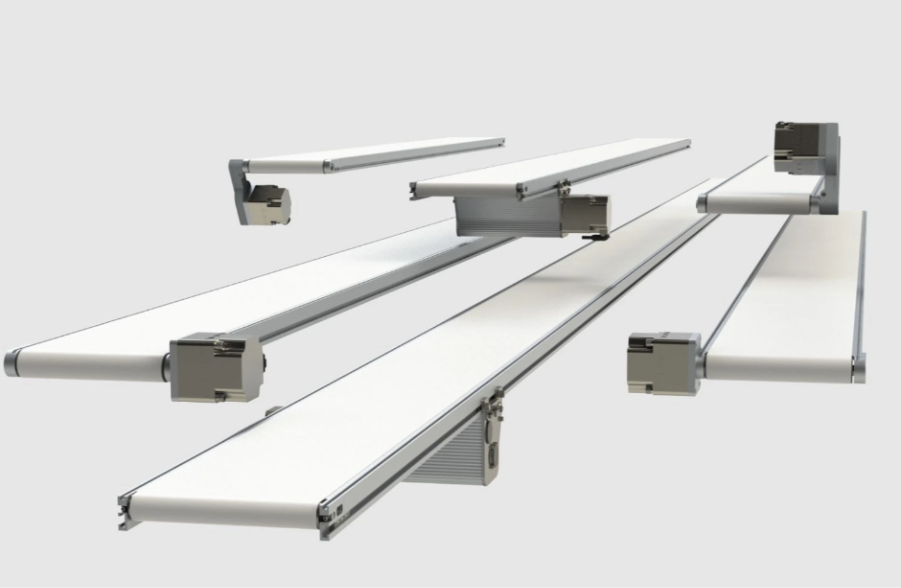
Movement of parts within a production layout still relies on manual movement between machines and stations. This creates timing variance as transport relates to the workload and availability of operators at every location. With an escalation in production demand, these gaps start to impact the general efficiency.
With automated movement, the materials move through conveyors within the line without having to wait to be attended to by a human. Flow is continuous because transfer is no longer reliant on individual actions or changing priorities on the shop floor. This eliminates the interruptions that normally take place under multitasking conditions.
In the long run, internal logistics become more predictable and more easily controlled. Operators do not get distracted in transport activities but rather stay in their core operations. This change enhances uniformity and predictability in output within production cycles.
2. Stabilize Production Rhythm by Removing Irregular Manual Transfers Between Processes
When the various stages of production operate at varying speeds, the flow of the work is distorted. One process can be completed sooner than the other, and this would lead to an imbalance in the line. This misalignment commonly causes waiting time and slows down total production.
Controlled movement using a conveyor assists in maintaining each stage in a more precise manner. Materials flow at an even rate that corresponds to the ability of any given process. This minimizes the time spent between steps and assists the various parts of the line to remain connected in a fluent flow.
As a result, this makes the whole production process more balanced. Every stage operates in a more predictable pattern, and output can be planned and managed more easily. This enhances cross-line coordination and minimizes timing variations among the processes.
3. Increase Station Productivity by Separating Operators from Transport Tasks
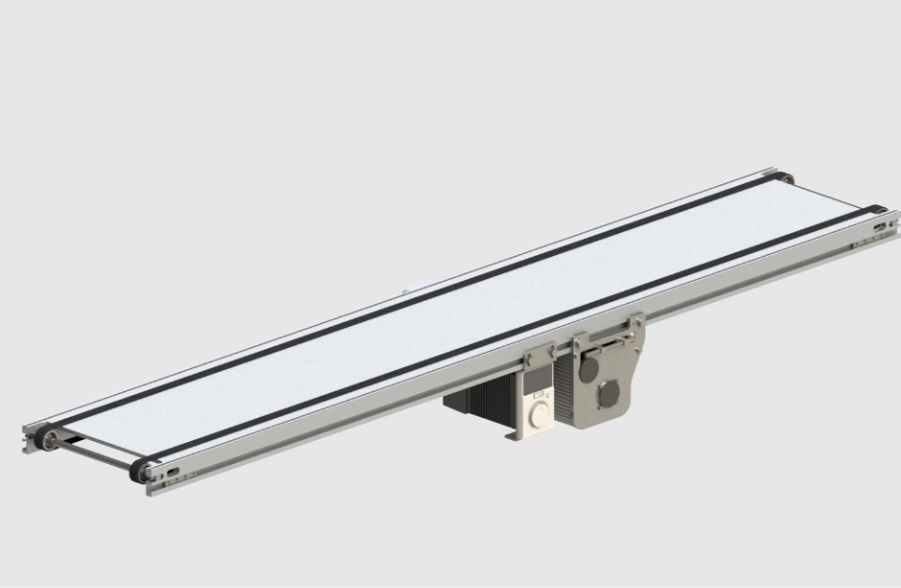
Workstations waste precious time when laborers move to different positions to transport materials between processes. Every interruption decreases concentration and slows down activities that need consistency and precision. In the long run, this disrupts the working process and reduces the level of output.
Rather than manually moving the goods, giving the transportation duties to conveyors provides a more stable arrangement. The workstations are operational during the shift, and the operators are only involved in the core work like assembly, checking, or handling the machine. This eliminates any unnecessary movement and contributes to continuous progress.
As a result, there is increased uniformity in production at each station. There is a more equal distribution of output among operators, and overall labor efficiency is enhanced. This application of conveyors helps continuous work cycles and enhances the effective utilization of the available production time.
4. Prevent Queue Formation and Work-In-Process Accumulation Across Production Stages
The accumulation of materials between stages of production may usually happen when transfer points lack appropriate control. Components start building up in waiting areas that cause the overall workflow to proceed at a very slow pace. This accumulation exerts pressure on the downstream processes, resulting in delays.
Through conveyors, material movement can be managed in a steady and controlled way between each stage. Items no longer move in irregular batches but follow a consistent flow that matches process capacity. This helps keep each section of the line clear and prevents unnecessary accumulation.
With smoother flow control in place, congestion reduces significantly across work zones. Production areas remain organized, and delays caused by blocked movement paths are minimized. This improves overall visibility and keeps operations running in a more controlled manner.
5. Support Adaptive Production Layouts to Eliminate Structural Flow Constraints
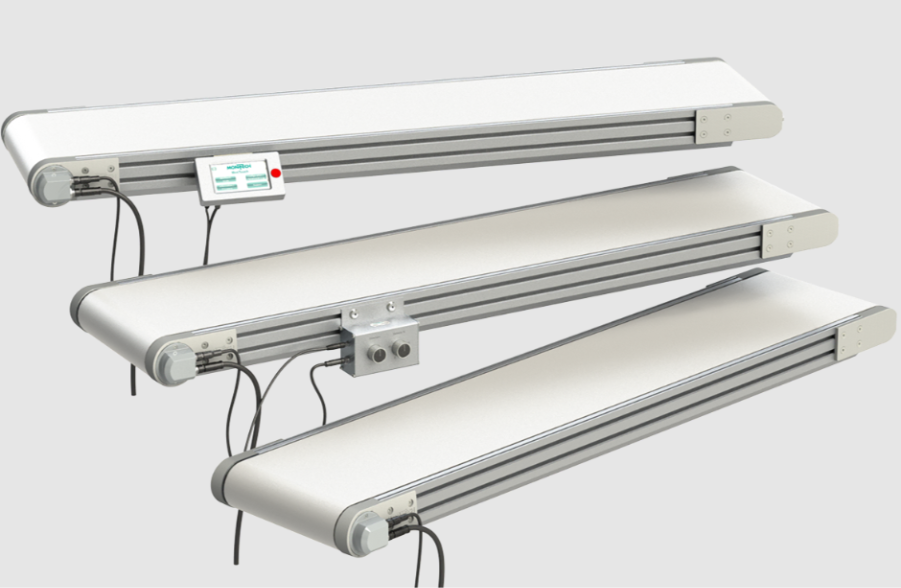
Production environments often need changes due to product design, demand, or process flow. Fixed transport setups can make these changes difficult. They can also create delays when lines are adjusted or expanded. This affects overall flow and reduces efficiency on the shop floor.
Flexibility improves when material movement systems can adjust to new needs. Sections of a line can be moved, extended, or reconfigured without stopping the full process. This helps keep material flow steady even during layout changes. It also reduces disruption during setup adjustments.
As a result, the system becomes easier to adapt to new requirements. Production can scale up or change direction without creating new flow issues. This helps maintain stable performance over time and keeps operations more efficient.
Conclusion
Production performance depends heavily on how efficiently materials move through each stage of the line. Reducing manual handling helps maintain consistency and ensures smoother progression between processes. It also improves alignment across the entire system.
When material flow is automated, operators can focus entirely on core tasks instead of transport activities. This reduces interruptions and helps prevent bottlenecks from forming between stages. Over time, production becomes more controlled, predictable, and easier to manage, even when demand or requirements change.