Heating and cooling systems operate continuously during changing seasonal temperatures throughout residential and commercial properties. Dust accumulation, worn components, and neglected inspections gradually reduce equipment performance over extended periods. Minor mechanical concerns frequently develop into expensive repair situations after regular care is ignored.
Many property owners rely on preventative HVAC maintenance solutions because consistent professional attention protects valuable climate control equipment from avoidable damage. Scheduled inspections help technicians detect hidden performance issues before severe operational failures interrupt indoor comfort unexpectedly. The following sections reveal serious HVAC complications that routine professional care successfully prevents.
Dirty Filters Restrict Proper Airflow
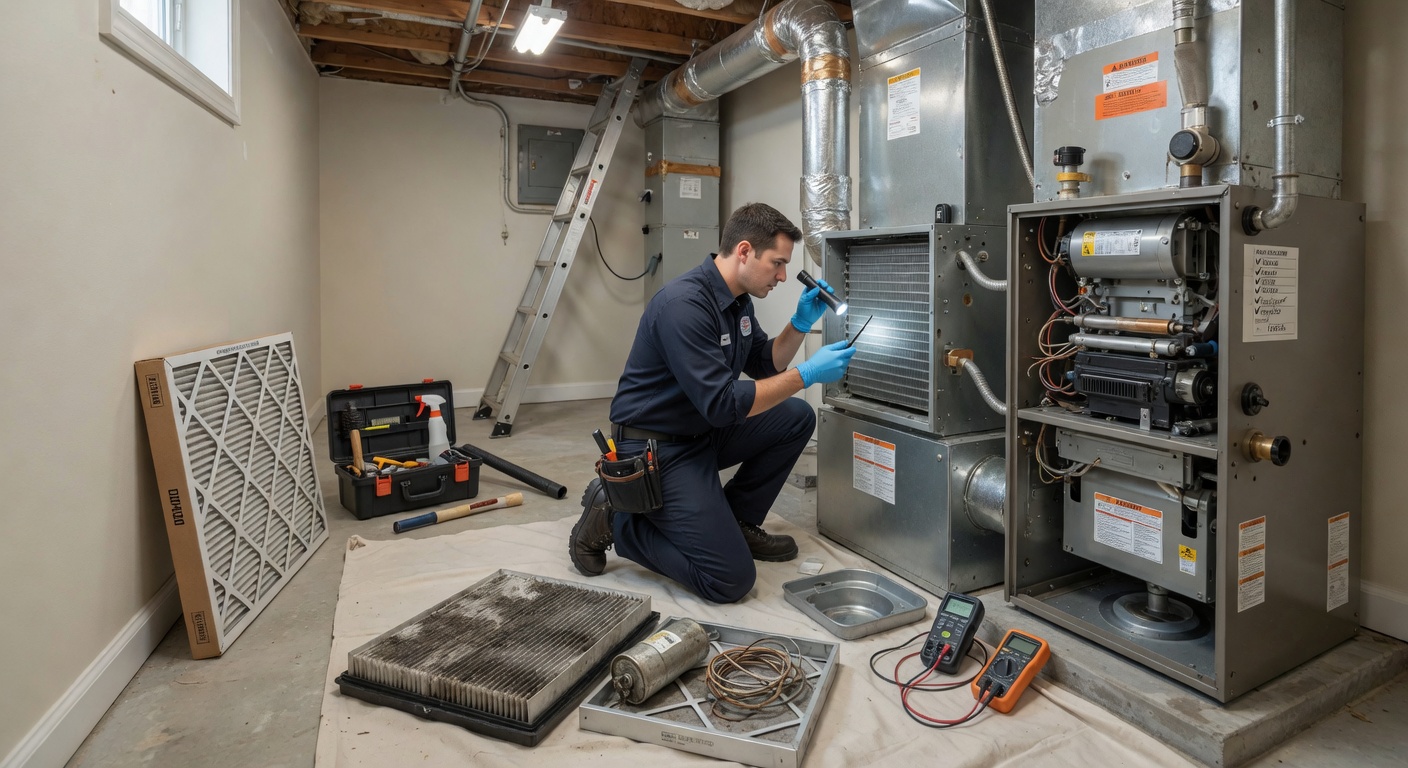
Clogged air filters reduce airflow efficiency and place unnecessary pressure upon internal equipment components. Restricted circulation forces heating and cooling systems to operate longer during daily temperature adjustments. Increased operational strain gradually weakens motors and other mechanical sections inside climate control units.
Indoor air quality also declines after dust particles continue circulating through neglected filtration systems. Occupants frequently notice inconsistent room temperatures after blocked filters interfere with balanced airflow distribution. Routine filter replacement supports healthier indoor conditions and stronger equipment performance throughout every season.
Refrigerant Leaks Reduce Cooling Capacity
Low refrigerant levels prevent cooling systems from maintaining stable indoor temperatures during warmer months. Small leaks gradually force equipment to work harder while producing weaker cooling performance indoors. Extended operational stress increases electricity consumption and accelerates wear across connected mechanical components significantly.
Property managers frequently overlook refrigerant problems until major system failures interrupt indoor comfort completely. Routine hvac maintenance service helps identify hidden refrigerant leaks before expensive compressor damage develops. Early leak detection preserves stronger cooling efficiency and prevents unnecessary mechanical replacement expenses later.
Electrical Faults Trigger Sudden Shutdowns
Loose electrical connections create dangerous operational instability inside residential and commercial climate control systems. Faulty wiring sometimes causes unexpected shutdowns during periods of heavy seasonal equipment usage. Damaged electrical components also increase fire hazards throughout buildings containing aging heating and cooling units.
Technicians inspect control panels carefully because hidden electrical concerns worsen rapidly without immediate correction. Reliable inspections reduce possibilities for emergency breakdowns during extreme weather conditions affecting indoor comfort. Consistent maintenance supports safer equipment operation and extends mechanical lifespan across demanding seasonal cycles.
Drainage Problems Create Moisture Damage
Blocked condensate drain lines allow excess moisture accumulation around indoor heating and cooling equipment. Standing water gradually damages nearby walls, ceilings, and flooring materials within enclosed interior spaces. Damp conditions also encourage mold development that negatively affects indoor air quality considerably.
Property owners frequently discover drainage complications after visible stains appear around surrounding structural surfaces. Experienced technicians clear obstructed lines and inspect connected drainage components during scheduled maintenance appointments. Proper moisture control protects interior structures and preserves healthier living environments throughout occupied properties.
Worn Belts Increase Mechanical Stress
Aging belts gradually lose flexibility and create operational instability inside active climate control systems. Loose mechanical connections frequently produce unusual sounds during daily equipment operation throughout residential properties. Friction between damaged components increases internal wear and weakens surrounding mechanical structures significantly.
Equipment efficiency also declines after worn belts interfere with balanced motor performance and airflow movement. Skilled technicians inspect moving components carefully because unnoticed deterioration creates expensive repair situations later. Regular part replacement preserves dependable system reliability and supports smoother mechanical performance consistently.
Thermostat Problems Affect Indoor Comfort
Faulty thermostats create inaccurate temperature readings that interfere with consistent indoor climate regulation. Poor calibration forces heating and cooling systems to cycle incorrectly throughout changing seasonal conditions. Occupants frequently experience uncomfortable temperature fluctuations after thermostat performance declines unexpectedly indoors.
Communication failures between control systems and connected equipment also reduce operational efficiency considerably. Professional inspections identify sensor problems and restore accurate climate adjustments across residential and commercial properties. Reliable thermostat performance supports energy savings while preserving comfortable indoor conditions throughout daily activities.
Routine HVAC care remains essential for protecting valuable climate control equipment from serious operational failures. Property owners using preventative HVAC maintenance solutions usually reduce costly repair expenses and preserve stronger indoor comfort conditions. Scheduled professional attention supports healthier air quality while improving long-term mechanical performance significantly. Reliable maintenance practices help heating and cooling systems operate efficiently throughout changing seasonal temperatures.