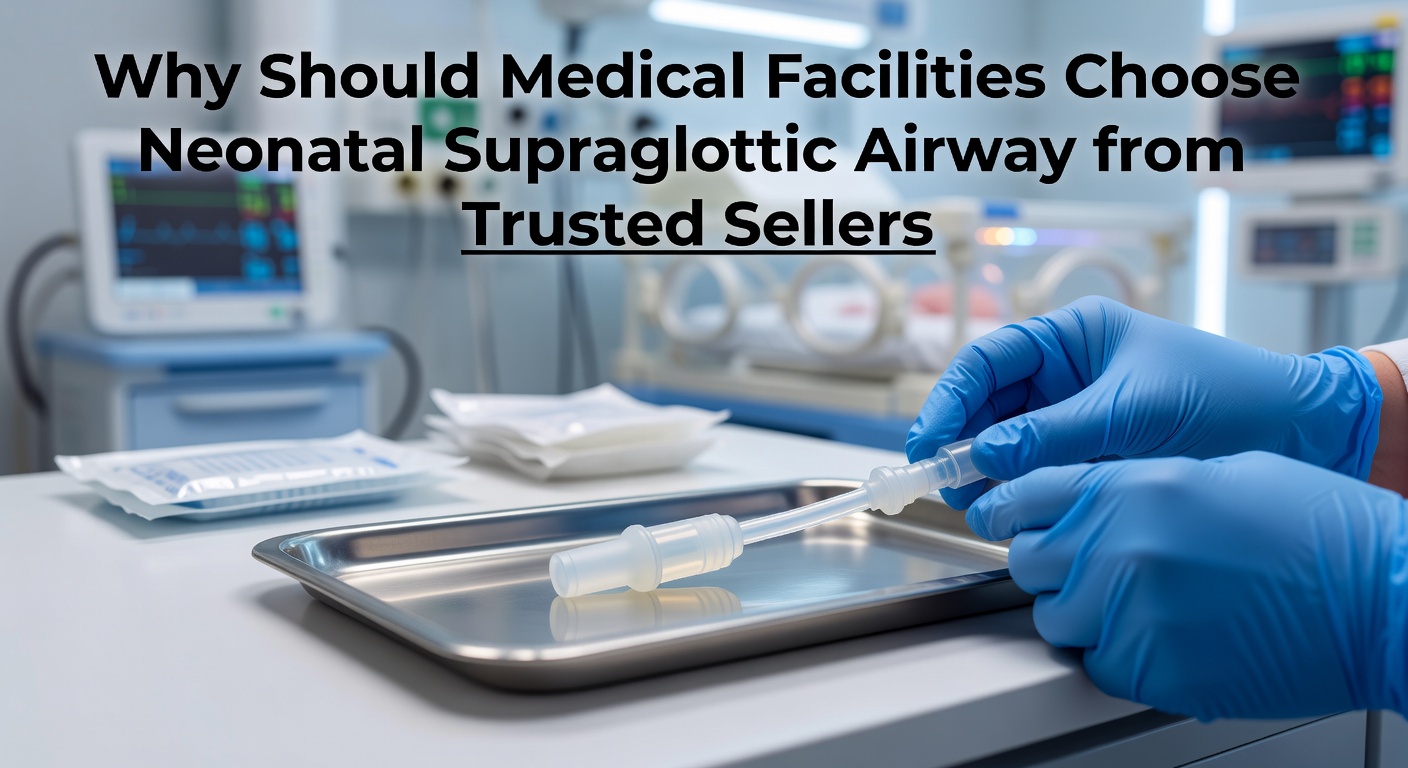
Reliable airway management remains a critical component in neonatal care, where precision and safety directly influence patient outcomes. Medical facilities require devices that deliver consistent performance under sensitive conditions. Careful selection of suppliers plays a significant role in maintaining these standards.
A neonatal supraglottic airway serves as an essential device in emergency and routine respiratory support for infants. Trusted sellers ensure that each product meets strict quality expectations and clinical requirements. Their expertise supports healthcare providers in selecting devices that align with safety protocols and operational needs.
Assured Quality and Regulatory Compliance
Medical environments demand equipment that adheres to established regulatory frameworks. Trusted sellers supply neonatal airway devices that meet stringent certifications and testing standards. Each product undergoes thorough evaluation to confirm reliability and safe usage in clinical settings.
Consistency in manufacturing processes further strengthens confidence in these devices. Sellers with a strong reputation maintain partnerships with certified manufacturers who prioritize precision. This commitment reduces risks associated with defects and ensures dependable performance during critical procedures.
Access to Specialized Product Knowledge
Expert guidance from experienced sellers simplifies the selection process for medical teams. Detailed knowledge about neonatal airway devices allows sellers to recommend suitable options based on clinical requirements. Their understanding of product specifications helps healthcare professionals make confident decisions.
Clear explanations regarding sizing, material composition, and usage support proper implementation. Sellers provide insights that align with best practices in neonatal care. This level of support enhances the effectiveness of respiratory management strategies within healthcare facilities.
Key Features Offered by Trusted Suppliers
Trusted sellers focus on delivering products that meet the delicate needs of neonatal care. Each feature contributes to safe handling and effective airway management.
Soft, Medical-Grade Materials: Gentle construction minimizes the risk of tissue irritation.
Accurate Sizing Options: Proper fit ensures secure placement and optimal performance.
Sterile Packaging: Hygienic conditions support infection control protocols.
Clear Usage Guidelines: Instructions assist healthcare professionals during application.
These features reflect a commitment to quality and patient safety.
Reliable Supply Chain and Timely Availability
Steady access to essential medical devices supports uninterrupted patient care. Trusted sellers maintain organized supply systems that prevent shortages and delays. Their ability to manage inventory ensures that facilities receive the necessary equipment when required.
Efficient logistics contribute to smooth procurement processes. Sellers coordinate deliveries with precision, allowing healthcare providers to focus on patient care. Dependable availability strengthens operational efficiency within medical institutions.
Advantages of Partnering with Established Sellers
Collaboration with experienced suppliers offers practical benefits that extend beyond product delivery. Their approach emphasizes reliability, service quality, and long-term support.
Consistent Product Standards: Sellers maintain uniform quality across every order.
Responsive Customer Support: Assistance remains accessible for queries and concerns.
Transparent Communication: Clear updates build trust throughout the purchasing process.
After-Sales Assistance: Continued support ensures proper product usage and handling.
Such advantages create a dependable partnership for healthcare providers.
Enhanced Safety and Clinical Confidence
Patient safety remains a top priority in neonatal care settings. Devices sourced from reputable sellers contribute to improved clinical confidence during airway management procedures. Reliable construction and precise design support accurate placement and effective ventilation.
Healthcare teams benefit from equipment that performs consistently under pressure. A well-designed supraglottic airway helps maintain stable respiratory support in delicate situations. This assurance allows medical professionals to focus on delivering attentive and compassionate care.
Trusted sellers thus provide dependable solutions that align with clinical expectations. Their commitment to quality strengthens safety in neonatal airway management. Careful sourcing supports consistent performance and improved patient care outcomes.