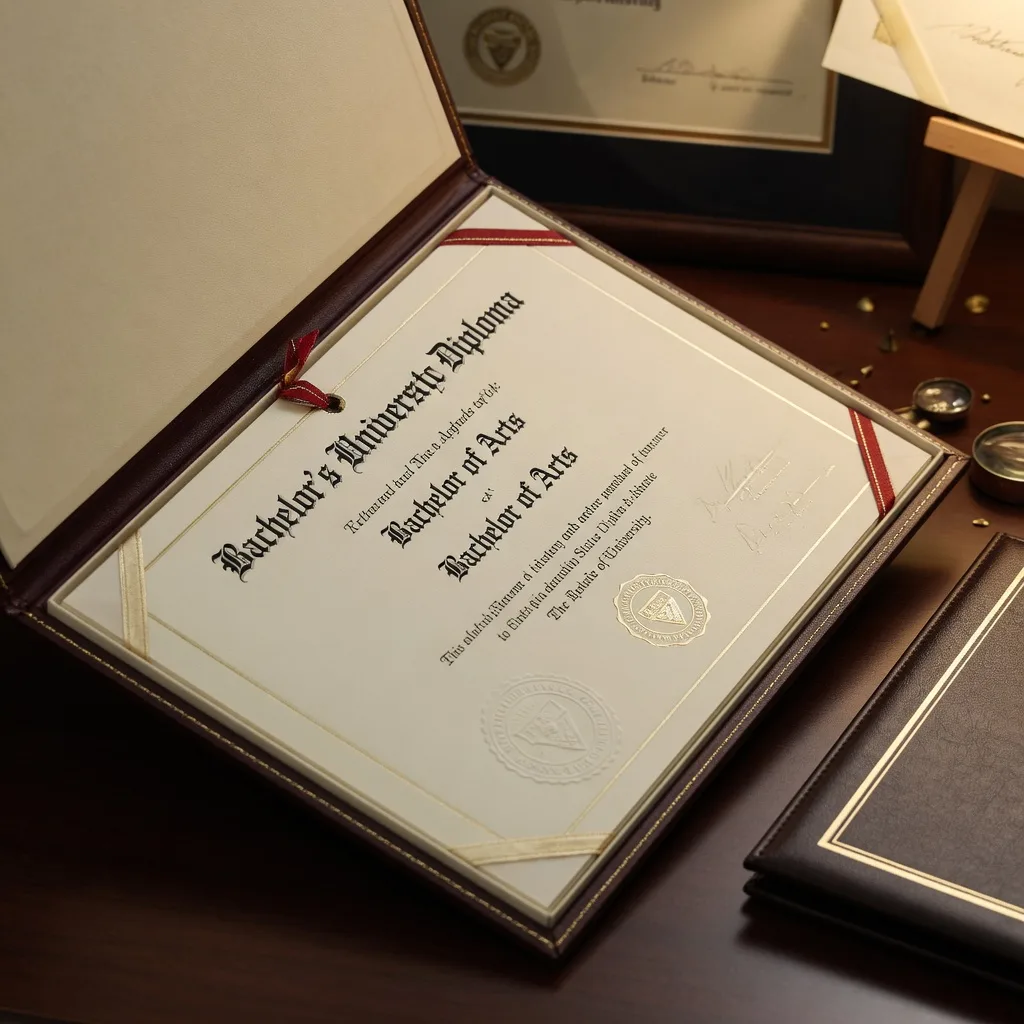
A diploma prop has to look right before anyone reads the details closely. In a framed display, stage scene, photo setup, or office backdrop, small design choices can shape the whole impression. The best props feel balanced because the paper, layout, lettering, and presentation all work together.
A novelty bachelor diploma works best when its design choices feel intentional and consistent. Paper size, fonts, signatures, metallic details, and holders can all shape the final impression. So, this article explains five features that help diploma props look realistic for creative projects, framed displays, and commemorative use.
Correct Diploma Size
A prop diploma usually looks most natural when the paper size matches the expected format. The referenced design option notes 8.5″ x 11″ as a common bachelor’s degree size. That proportion works well for frames, folders, office walls, and close-up shots.
Size also affects how the layout feels across the page. A cramped design can make the text seem forced, while too much blank space can make the piece feel unfinished. The right format gives the title, name, seal, and signatures enough room to appear balanced.
Quality Paper With the Right Feel
Paper quality can make a major difference in how a diploma prop looks and feels. Heavier paper gives the piece a firmer presence than regular printer paper. It also helps the document hold its shape better inside a frame or holder.
The paper finish should support the purpose of the display. A clean, sturdy sheet can look sharp in photos and remain presentable under normal handling. For props, the paper should feel refined without drawing attention away from the scene or setup.
Fonts That Match the Academic Style
Font choice gives a diploma much of its character. Traditional script can add formality, while clear serif text can make the main details easier to read. A strong design uses both styles with restraint so the page does not feel crowded.
The best font layout keeps the recipient’s name, degree title, institution line, and date easy to follow. A novelty bachelor diploma can lose visual quality when the lettering feels mismatched or uneven. Consistent spacing helps the document look cleaner and more professional.
Seals, Metallic Elements, and Signatures
A seal can become the focal point of a diploma design. Metallic elements can add depth, especially when the diploma appears in a frame or under good lighting. These details should match the rest of the layout so the design feels cohesive.
Signatures also add an academic feel to the lower portion of the document. Stock signatures can suit a general prop, while custom signature placement can help match a specific visual style. The final result should look orderly, with every element placed where the viewer expects it.
Holders and Proof Options
A diploma holder can improve the way a prop is presented. It can help the document feel ready for a ceremony scene, office shelf, or gift display. The holder color and texture should match the tone of the setup without overwhelming the diploma itself.
Proof options are also useful before the final piece is produced. A proof allows the buyer to review names, dates, layout, and visual details before the order is complete. Digital and printed copy choices can also help match the needs of a project or display.
A realistic novelty diploma prop depends on careful design choices, not one single feature. Proper size, quality paper, suitable fonts, seals, signatures, holders, and proof review can all improve the final look. When those details work together, the diploma can feel polished enough for props, displays, commemorative pieces, and creative projects.