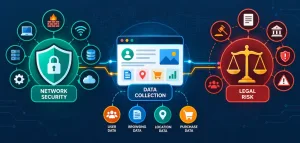
The digital economy runs on data. Every time someone shops online, streams a video, uses a mobile app, or interacts with a business website, information is generated. Organizations across virtually every industry collect enormous amounts of data every day, creating opportunities to better understand customers, improve operations, and make smarter decisions.
However, collecting information is only part of the process. The real value comes from turning raw data into meaningful insights that support growth and innovation. Businesses today need professionals who can analyze information, identify patterns, and translate findings into actionable strategies.
As technology continues to evolve, data analytics has become one of the most sought-after skill sets in the workforce. Companies are investing heavily in data-driven decision-making because it helps them remain competitive in rapidly changing markets. From healthcare and finance to retail and manufacturing, organizations rely on analytics professionals to guide important business decisions.
The Growing Demand for Data Analytics Expertise
The demand for data analytics expertise has increased dramatically over the past decade. Businesses are no longer relying solely on intuition or past experience when making decisions. Instead, they are turning to data to better understand trends, predict outcomes, and improve performance.
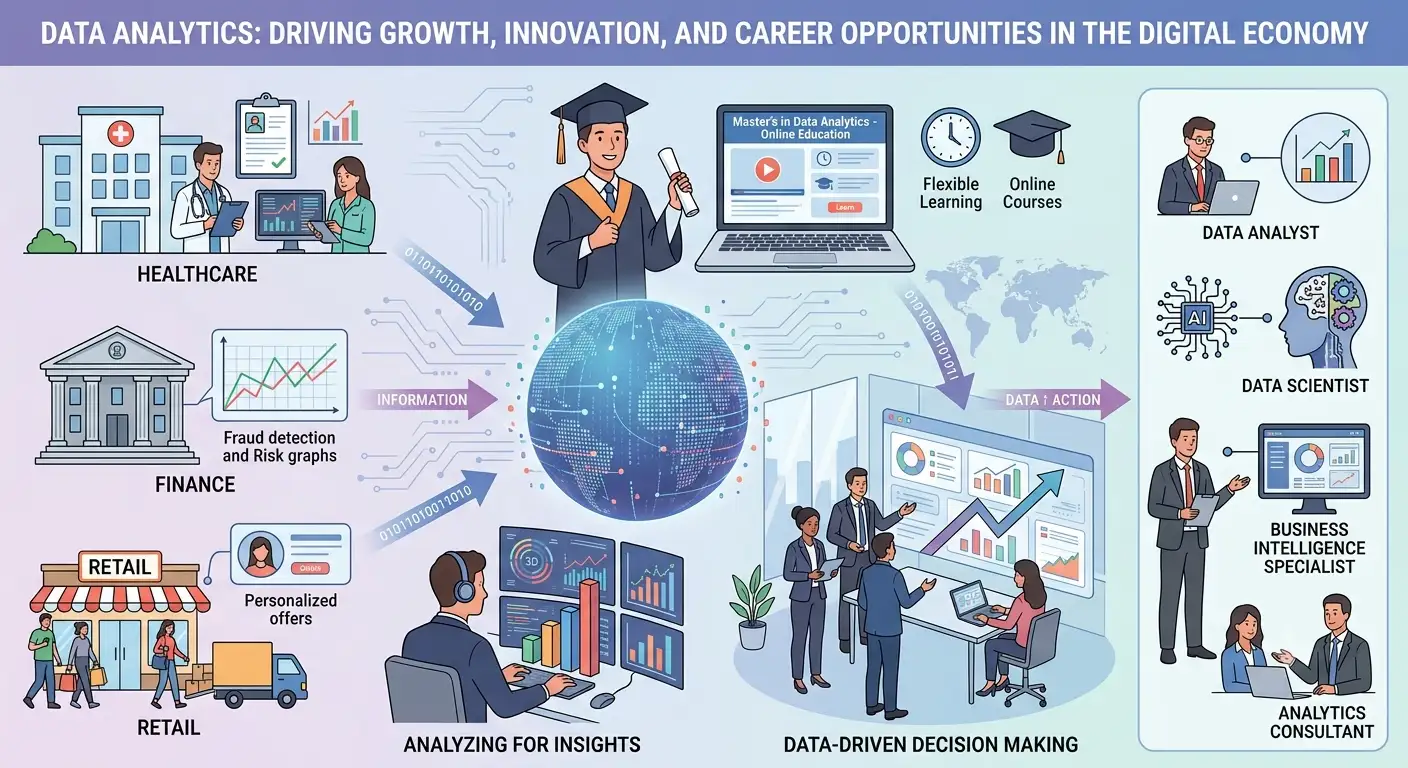
Organizations across industries now use analytics to solve problems and identify opportunities. Healthcare providers analyze patient data to improve care. Financial institutions use analytics to assess risk and detect fraud. Retailers study purchasing behavior to create personalized customer experiences. Manufacturers rely on data to optimize production and reduce waste.
As these applications become more sophisticated, employers increasingly seek professionals who possess advanced analytical skills. Companies need individuals who can manage data, perform statistical analysis, create visualizations, and communicate findings in ways that support business objectives.
To meet this demand, many professionals are pursuing advanced education to strengthen their technical and analytical capabilities. For example, a Master’s in Data Analytics online by Northwest Missouri State University can provide flexible opportunities to develop expertise in areas such as data management, predictive modeling, data visualization, business intelligence, and analytical decision-making while allowing working professionals to continue advancing their careers.
The increasing reliance on data-driven strategies means that analytical expertise is no longer limited to specialized technology roles. Businesses throughout the economy need professionals who can turn information into meaningful insights.
As a result, interest in data analytics education continues to grow among students, career changers, and experienced professionals alike.
How Data Analytics Supports Better Business Decisions
One of the primary reasons data analytics has become so valuable is its ability to improve decision-making. Businesses that understand their data can make more informed choices and reduce uncertainty when planning for the future.
Analytics helps organizations move beyond assumptions. Rather than relying on guesswork, leaders can use evidence to guide important decisions. This approach often leads to better outcomes and more efficient use of resources.
For example, businesses can analyze customer behavior to understand purchasing patterns, preferences, and engagement levels. These insights help companies create more effective marketing strategies and improve customer satisfaction.
Data analytics also supports operational efficiency. Organizations can identify bottlenecks, monitor performance, and uncover opportunities to streamline processes. In many cases, small improvements revealed through data analysis can lead to significant cost savings.
Risk management is another important application. By analyzing historical trends and current conditions, businesses can anticipate challenges and respond proactively.
As competition continues to increase, companies that effectively use data often gain advantages over those that do not. Analytics provides a foundation for smarter decisions, stronger performance, and sustainable growth.
The Expanding Career Opportunities in Data Analytics
The growing importance of data has created a wide range of career opportunities for individuals with analytical skills. Today, data professionals are needed in nearly every sector of the economy.
One common career path is becoming a data analyst. These professionals collect, organize, and interpret information to help organizations make informed decisions. Business analysts perform similar functions while focusing on operational and strategic improvements.
Data scientists often work with advanced analytical models and large datasets to solve complex problems. Business intelligence specialists create reporting systems and dashboards that make information more accessible to decision-makers.
Other opportunities include analytics consulting, operations analysis, market research, and financial analytics. Many organizations are also creating new positions specifically focused on data strategy and digital transformation.
One reason these careers are so attractive is their versatility. The skills learned through analytics education can be applied across industries, making it easier for professionals to adapt to changing market conditions.
Strong demand has also contributed to competitive salaries and positive employment outlooks. As organizations continue investing in data-driven initiatives, the need for qualified analytics professionals is expected to remain strong.
For individuals seeking a future-focused career path, data analytics offers both stability and opportunity.
Why Data Literacy Is Becoming a Core Professional Skill
Data literacy refers to the ability to read, understand, interpret, and communicate data effectively. In today’s workplace, these skills are becoming increasingly important for professionals at all levels.
Not everyone needs to become a data scientist, but many employees now interact with data as part of their daily responsibilities. Managers review performance metrics, marketers analyze campaign results, and healthcare professionals examine patient outcomes. Even roles that were once considered non-technical often involve working with data.
Understanding how to interpret information helps employees make better decisions and contribute more effectively to organizational goals. It also improves collaboration between departments by creating a shared understanding of key performance indicators and business objectives.
Data literacy includes the ability to understand visualizations, evaluate reports, identify trends, and ask meaningful questions about information. These capabilities help professionals navigate increasingly data-rich environments.
Organizations benefit when employees across the company possess basic analytical skills. Decisions become more informed, communication improves, and teams can work together more effectively.
As data continues to influence every aspect of business, data literacy is rapidly becoming a core professional competency.
Data analytics has become an essential skill in today’s digital economy because it helps organizations make better decisions, improve performance, and remain competitive. As businesses increasingly rely on information to guide strategy, the demand for professionals who can analyze and interpret data continues to grow.
The benefits extend beyond individual organizations. Data analytics supports innovation, improves customer experiences, strengthens operations, and creates new opportunities across industries. This has made analytical expertise one of the most valuable assets in the modern workforce.
At the same time, data literacy is becoming important for professionals in a wide range of roles, not just specialized technical positions. Understanding data is quickly becoming a fundamental workplace skill.
As technology, artificial intelligence, and automation continue to advance, the role of data analytics will only become more significant. Those who develop strong analytical capabilities today will be better prepared to contribute to the future of business, technology, and the digital economy.