Month: December 2019
How to Verify Multiarea OSPF
The majority of the command for multiarea OSPF verification is the same as the command we already used in the verification of single area OSPF. The command, “show ip ospf neighbor”, “show ip ospf” and show ip ospf interface are the same command. The following command specifically includes the information of multiarea OSPF. show ip...
Interarea Route Summarization – Exclusive Explanation
Interarea route summarization in the OSPF must be manually configured on ABRs because OSPF does not support auto-summarization. We can perform internal routes summarization only on ABRs. When route summarization is configured on ABRs, a single type 3 LSA (summary LSA) describing the summary route are forwarded to the backbone area. Multiple routes inside the...
OSPF Route Summarization – Exclusive
Route summarization helps convert multiple routes into a single route, which reduces routing tables. After converting a large routing table into a small routing table, it is propagated into the backbone area. We have already discussed the type of LSAs in the previous article. The LSA types 1 and 2 are generated inside each area,...
How to Configure Multiarea OSPF
OSPF can be implemented as single-area OSPF or multiarea OSPF. The basic steps for a single area or multiarea OSPF implementation are the following:- Gather the network requirements and parameters – The first step for implementing multiarea OSPF is the collecting network requirement and important parameters. The requirement includes the number of hosts and required...
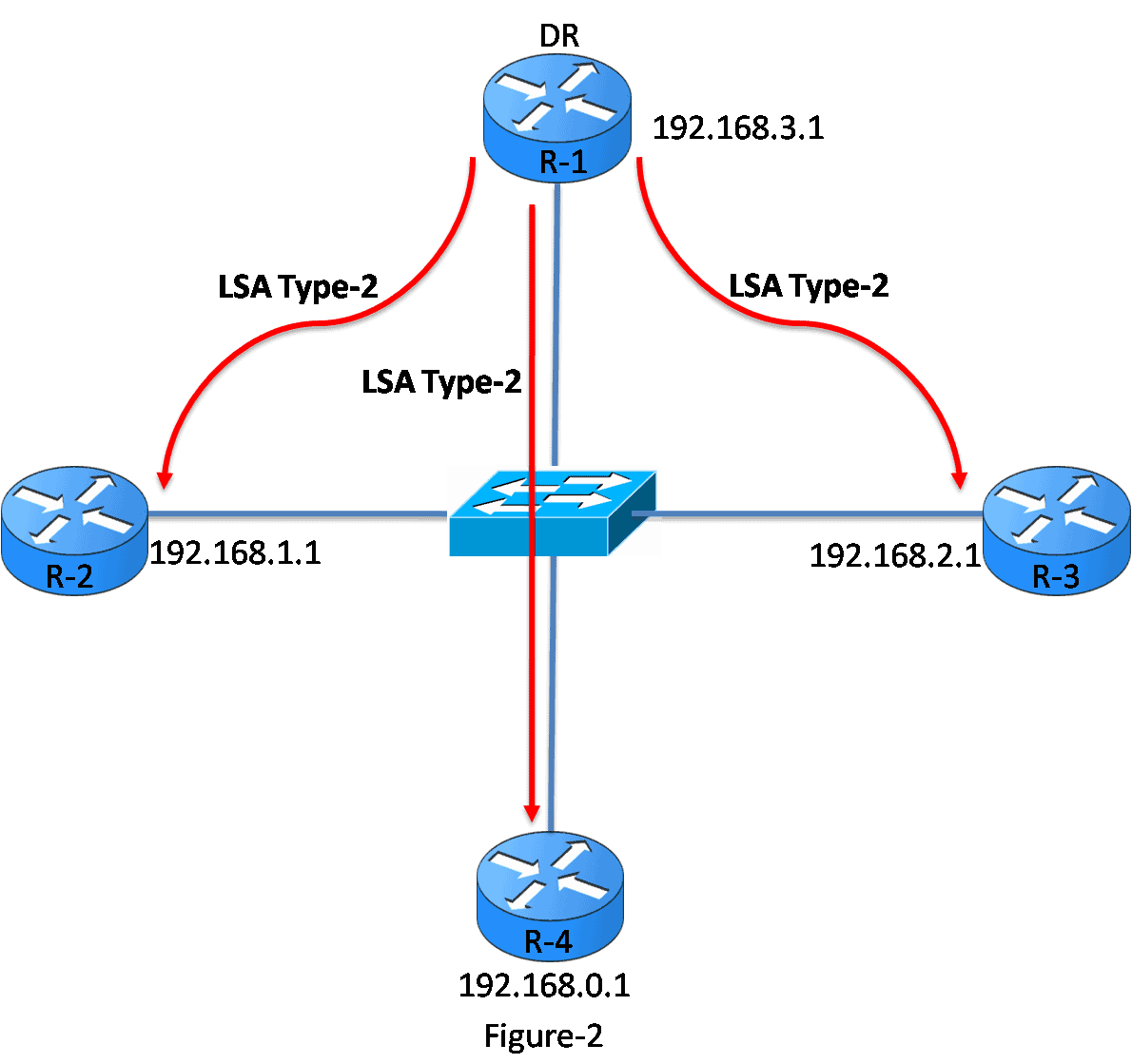
OSPF LSA Types – Exclusive Explanation
OSPF is a link-state routing protocol that is used to find the best path between the source and the destination. The SPF algorithm is used to determine the best path. OSPF enabled routers exchange LSAs to update and maintain LSDBs. LSAs act as database records and provide specific OSPF network details. Currently, 11 different types...

Types of Routers in OSPF – Exclusive
OSPF uses four different types of routers with a unique role and set of defining characteristics within the hierarchy. The routers control the traffic that goes in and out of areas. The OSPF routers are categorized based on the function they perform in the routing domain. The four types of routers are following:- Internal router–...
How to OSPF MD5 Authentication
OSPF supports routing protocol authentication using MD5 Authentication. It is more secure than plain text authentication. It uses the MD5 algorithm to calculate a hash value from the contents of the OSPF packet and a password and then the hash value is transmitted in the packet. The receiver side, which knows the password, calculates its...
Introduction to OSPF Authentication
The role of routers in a network is so crucial that they are often the targets of network attacks. The routers are also at risk from the attack just as much as end-user systems. Routing systems can be attacked by disrupting the routing peers or by falsifying the information passed within the routing protocol. Falsified...
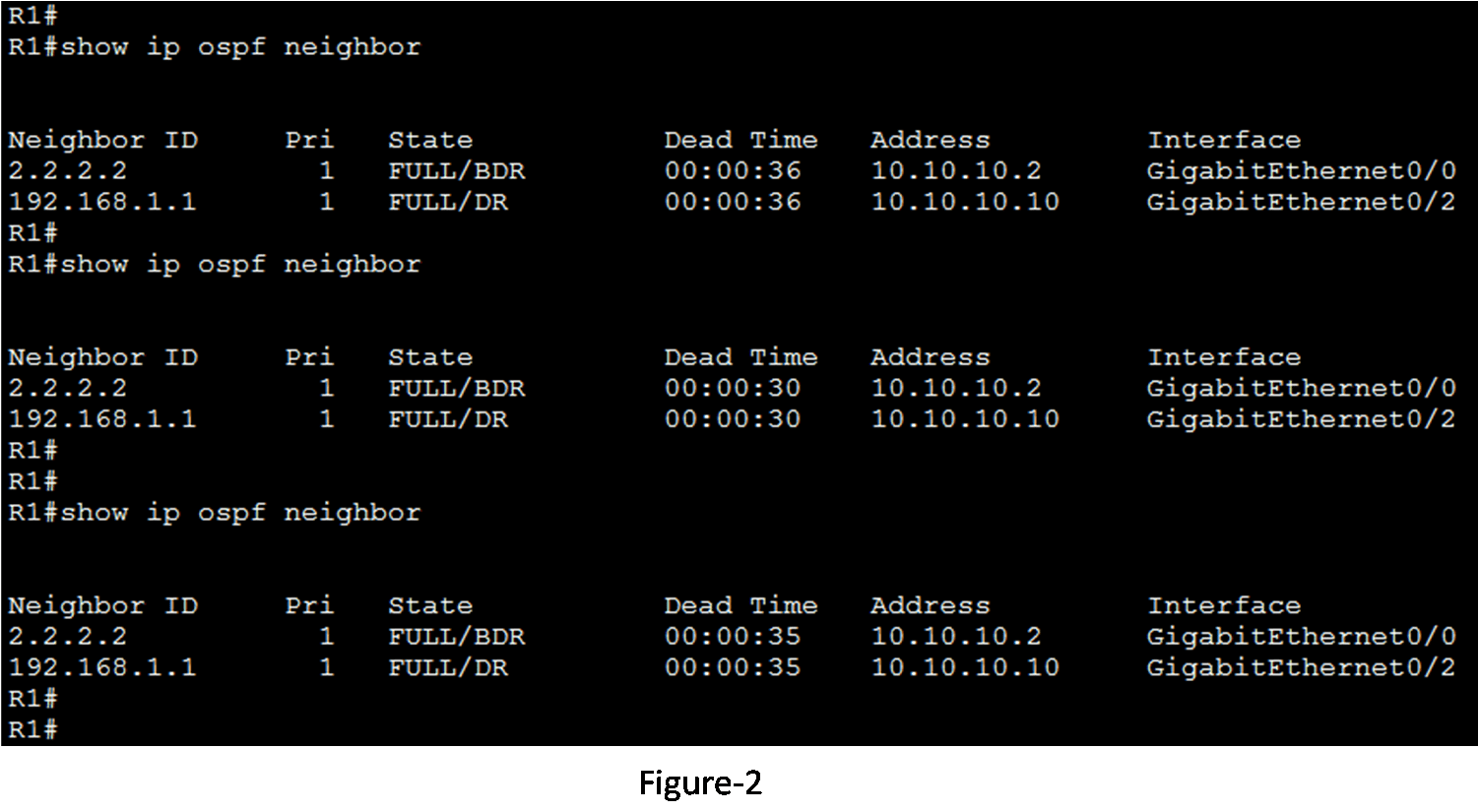
OSPF Hello and Dead Intervals – Exclusive Details
Devices enable OSPF to constantly track the status of their neighbors, sending and receiving hello packets. Hello, packets show whether each neighbour still is functioning, and sending and receiving link-state advertisement and acknowledgment packets. OSPF sends hello packets and expects to receive Hello packets at particular intervals. The Hello and Dead Intervals timer is included...

Propagating a Default Static Route in OSPF
We have already discussed the Default route Propagation in “Propagate Default Route in RIP”. In this article, I am going to discuss propagating a default static route in OSPFv2 and OSPFv3. The route propagation is useful when there is a single exit point in the network to reach the internet or any other service. The...