Asad Ijaz
NetworkUstad's lead networking architect with CCIE certification. Specializes in CCNA exam preparation and enterprise network design. Authored 2,800+ technical guides on Cisco systems, BGP routing, and network security protocols since 2018. Picture this: I'm not just someone who writes about tech; I'm a certified expert in the field. I proudly hold the titles of Cisco Certified Network Professional (CCNP) and Cisco Certified Network Associate (CCNA). So, when I talk about networking, I'm not just whistling in the dark; I know my stuff! My website is like a treasure trove of knowledge. You'll find a plethora of articles and tutorials covering a wide range of topics related to networking and cybersecurity. It's not just a website; it's a learning hub for anyone who's eager to dive into the world of bits, bytes, and secure connections. And here's a fun fact: I'm not a lone wolf in this journey. I'm a proud member and Editor of Team NetworkUstad. Together, we're on a mission to empower people with the knowledge they need to navigate the digital landscape safely and effectively. So, if you're ready to embark on a tech-savvy adventure, stick around with me, Asad Ijaz Khattak. We're going to unravel the mysteries of technology, one article at a time!"
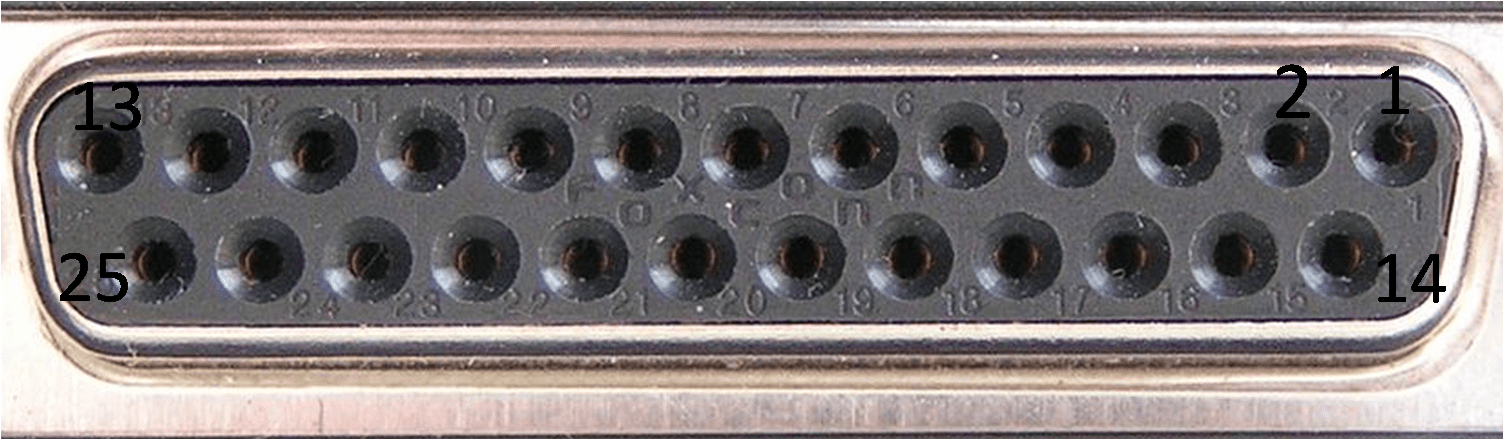
Parallel port
Parallel ports usually used for connecting printers, computers, and other devices that required high bandwidth. The port is also used for interconnection between interior components of the devices. Parallel ports can be transmitted simultaneously over multiple wires. Theoretically parallel port is eight-time faster than a serial port. The serial port sends one bit while at...
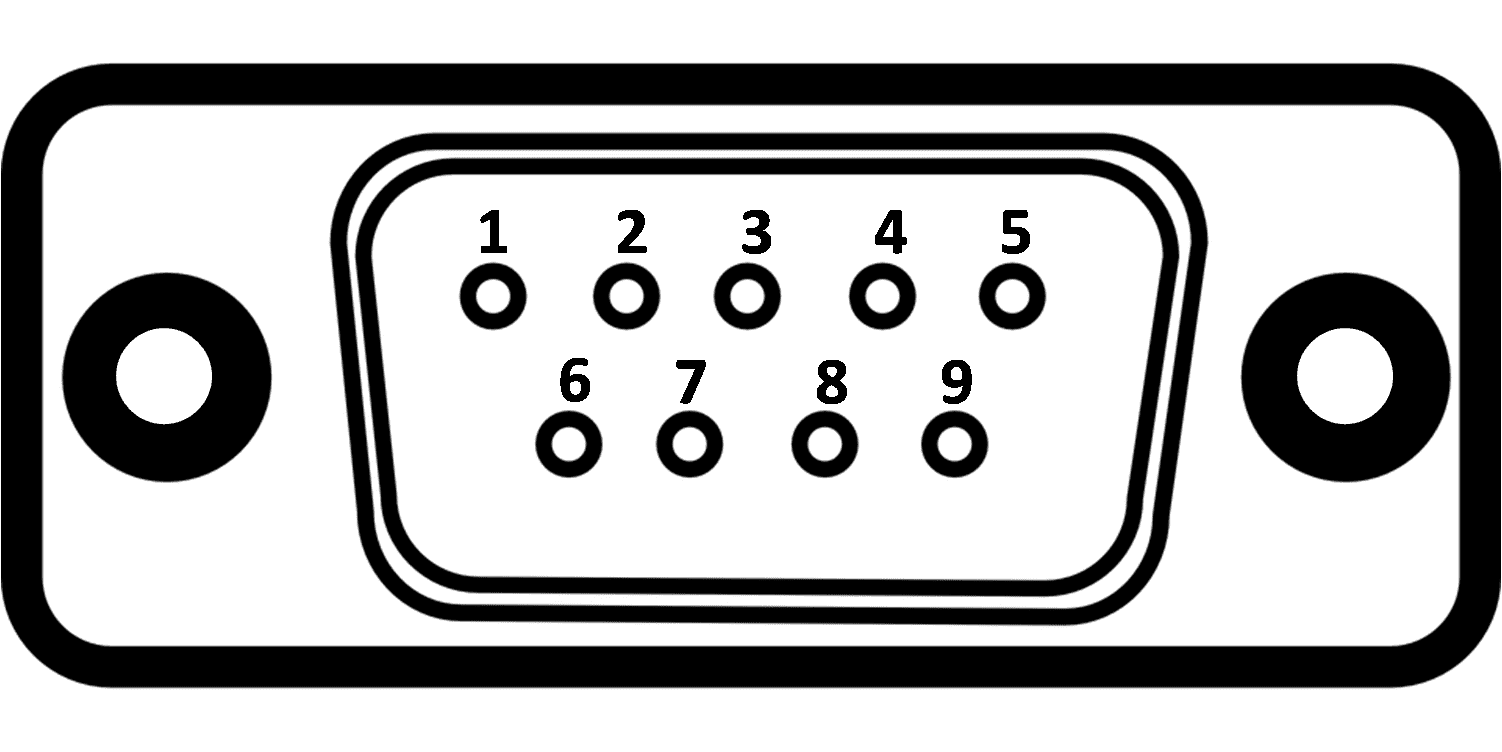
Serial Port
A serial port allows a PC or network devices to transmit or receive data one bit at a time. A serial interface is the oldest types of an interface that was also used to connect printers and external modems to a PC at that time. Modern serial ports are used in scientific instruments such as...
VPN Technology
VPN is the abbreviation for a virtual private network. VPN technology creates a safe and encrypted connection over an unsecured network, such as the Internet. It extends a private network using a public network, such as the Internet. A virtual private network uses virtual connections known as VPN tunnels instead of a dedicated Layer 2...
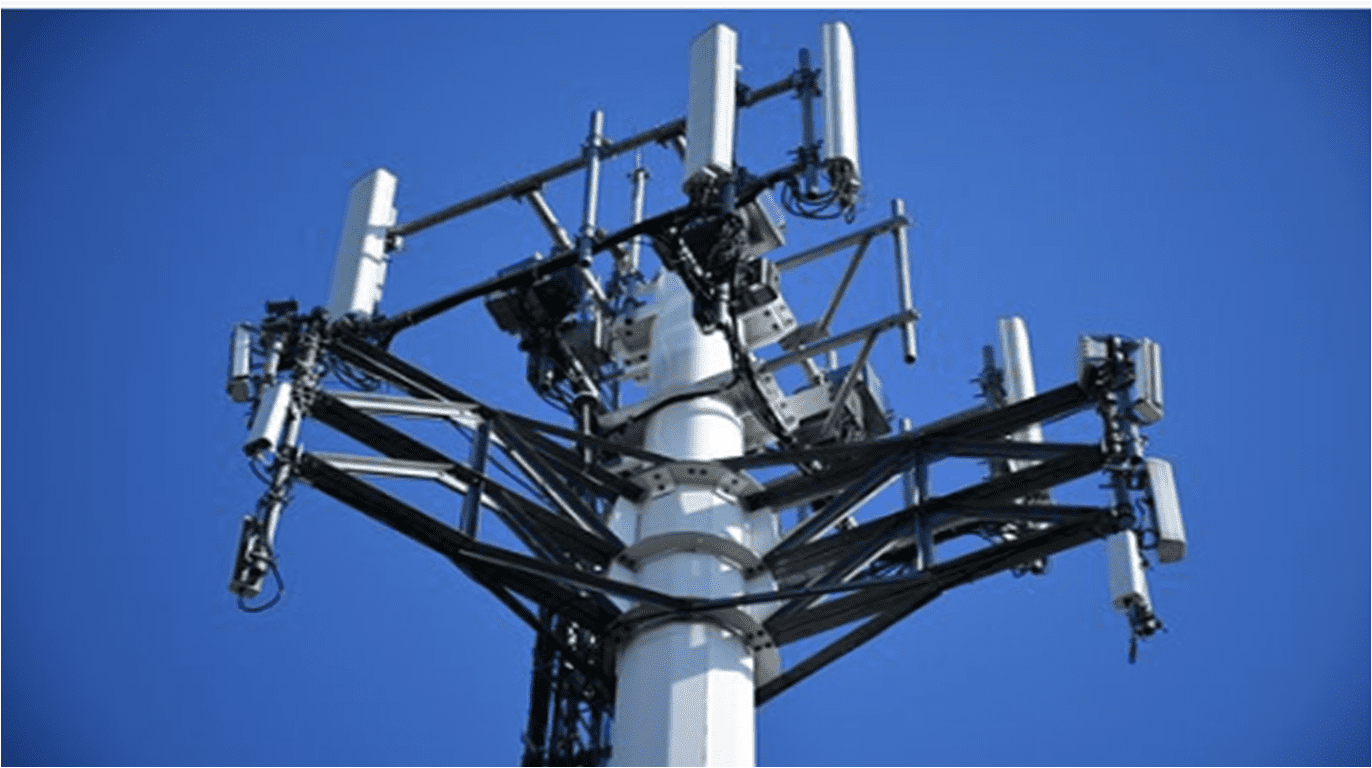
Cellular Network
Cellular networks are the type of wireless WAN technologies. Cellular networks provide services to connect users and remote locations where no other WAN access technologies are available. Millions of users use their smartphones and tablets to email, surf the web, download apps, and watch videos. We can easily connect computers, laptops including routers with the...

Wireless internet
Wireless internet uses wireless connectivity via radio waves instead of wires on a personnel computer, laptop, smartphone etc. Initial wireless technologies lack the high speed of broadband internet connection e.g cable and DSL, but the latest wireless technologies cover the gap. Wireless Internet service providers (WISP) typically provide wireless internet services to home users and...
Cable Internet
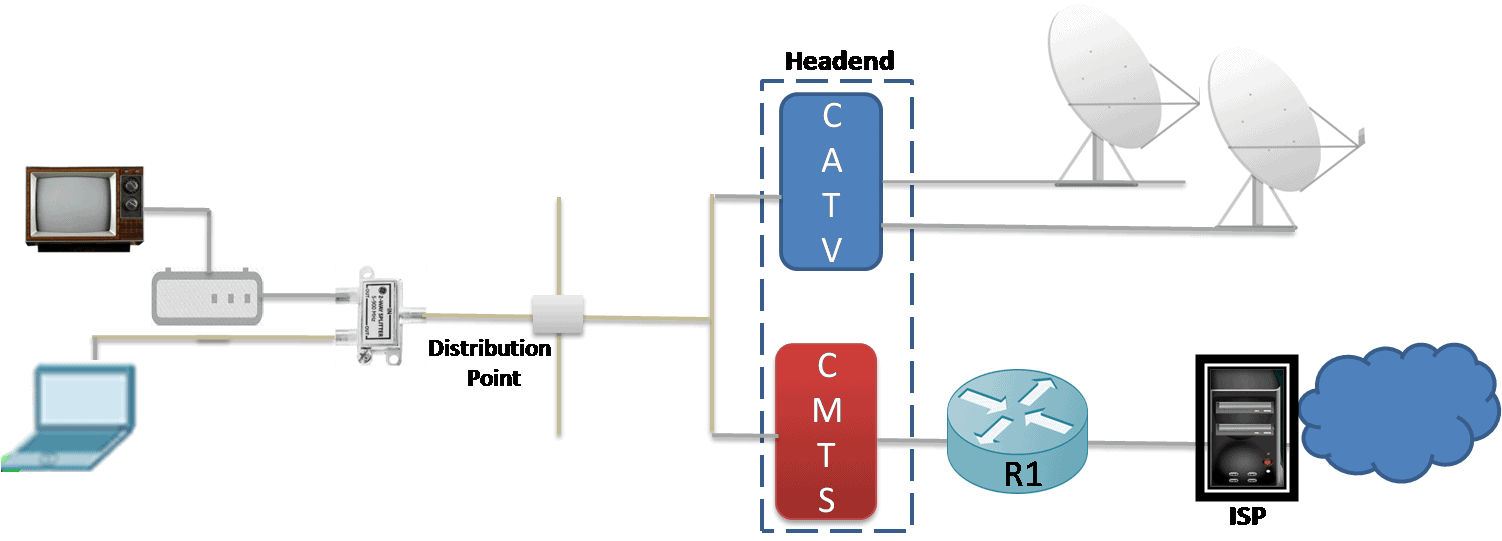
Network and Internet Access through Cable TV is a type of broadband internet access that uses the resources of the television cable system. It provides network edge connectivity from the internet service provider (ISP) to an end-user of the internet services in the same way as DSL and fibre to the home (FTTH) provides. Cable...

What is VSAT?
VSAT is the abbreviation of Very small aperture terminal. It is important WAN technology for both home users and organizations; they needed connectivity in remote areas where there is no possibility of fiber optic, copper cable and microwave. It is the solution that creates a private WAN using satellite communications. A VSAT contains is a...

MPLS
MPLS is the abbreviation of Multiprotocol Label Switching. It is a WAN protocol that sends data from one router to another router, based on short path labels rather than IP network addresses. It was created from 1994 to 1999 as an alternative to Internet Protocol (IP) routing. It was the more effective alternative to multilayer switching...
Ethernet WAN
Ethernet was initially considered not suitable as a WAN access technology because of the maximum cable length supported was only up to a kilometre. However, newer Ethernet standards with fiber optic have made Ethernet an important WAN option. For example, the IEEE 1000BASE-ZX standard supports up to 70 km of distance. Ethernet WAN provides high-bandwidth...

What is ATM?
ATM is the abbreviation of Asynchronous Transfer Mode. It is using time-division multiplexing (TDM) for data communications. It is capable of transferring voice, video, and data through private and public networks. ATM is working on a cell-based architecture in place of frame-based architecture. The size of the Asynchronous Transfer Mode cell is fixed to 53...