Asad Ijaz
NetworkUstad's lead networking architect with CCIE certification. Specializes in CCNA exam preparation and enterprise network design. Authored 2,800+ technical guides on Cisco systems, BGP routing, and network security protocols since 2018. Picture this: I'm not just someone who writes about tech; I'm a certified expert in the field. I proudly hold the titles of Cisco Certified Network Professional (CCNP) and Cisco Certified Network Associate (CCNA). So, when I talk about networking, I'm not just whistling in the dark; I know my stuff! My website is like a treasure trove of knowledge. You'll find a plethora of articles and tutorials covering a wide range of topics related to networking and cybersecurity. It's not just a website; it's a learning hub for anyone who's eager to dive into the world of bits, bytes, and secure connections. And here's a fun fact: I'm not a lone wolf in this journey. I'm a proud member and Editor of Team NetworkUstad. Together, we're on a mission to empower people with the knowledge they need to navigate the digital landscape safely and effectively. So, if you're ready to embark on a tech-savvy adventure, stick around with me, Asad Ijaz Khattak. We're going to unravel the mysteries of technology, one article at a time!"
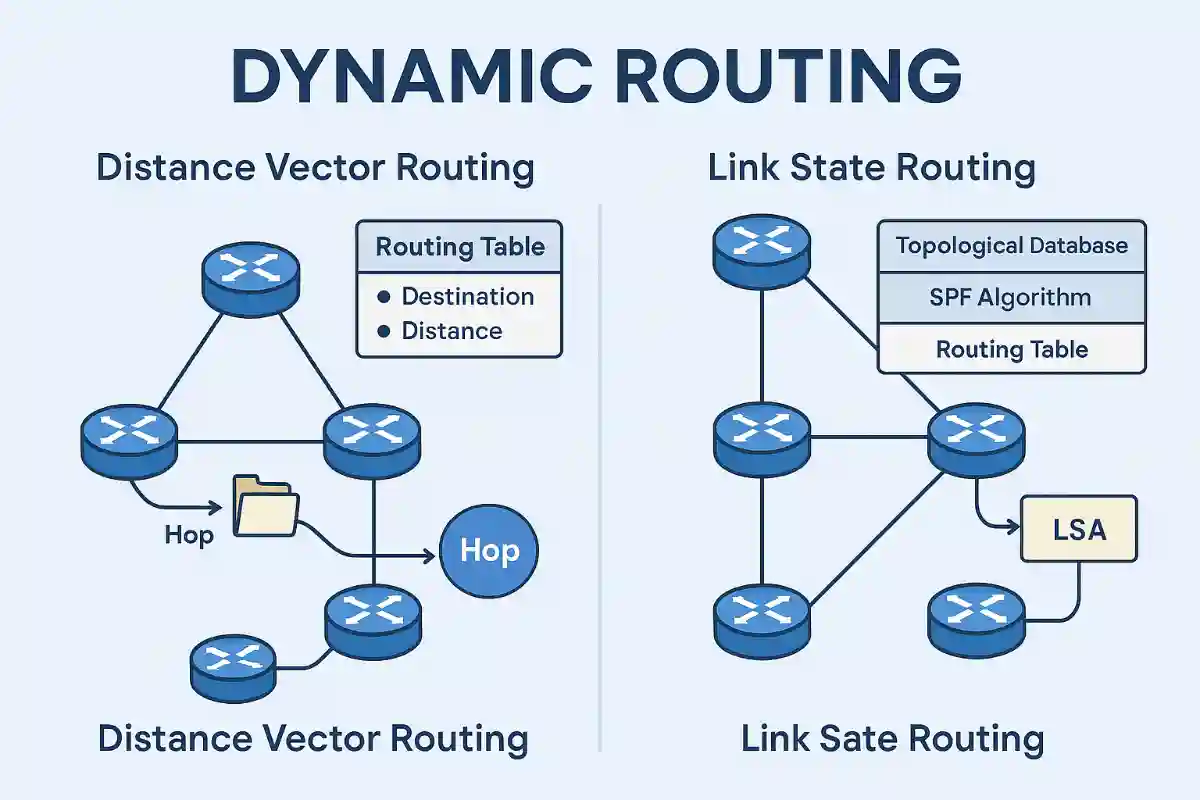
What is Dynamic Routing Algorithms (Updated 2025)
Dynamic routing is a networking technique that provides optimal data routing. The network administrators and engineers configure a dynamic routing protocol on the network interfaces. The protocol running on the router learns about other routers automatically and also dynamically exchanges routing information with other routers. Dynamic routing protocols perform several activities, including network discovery and...
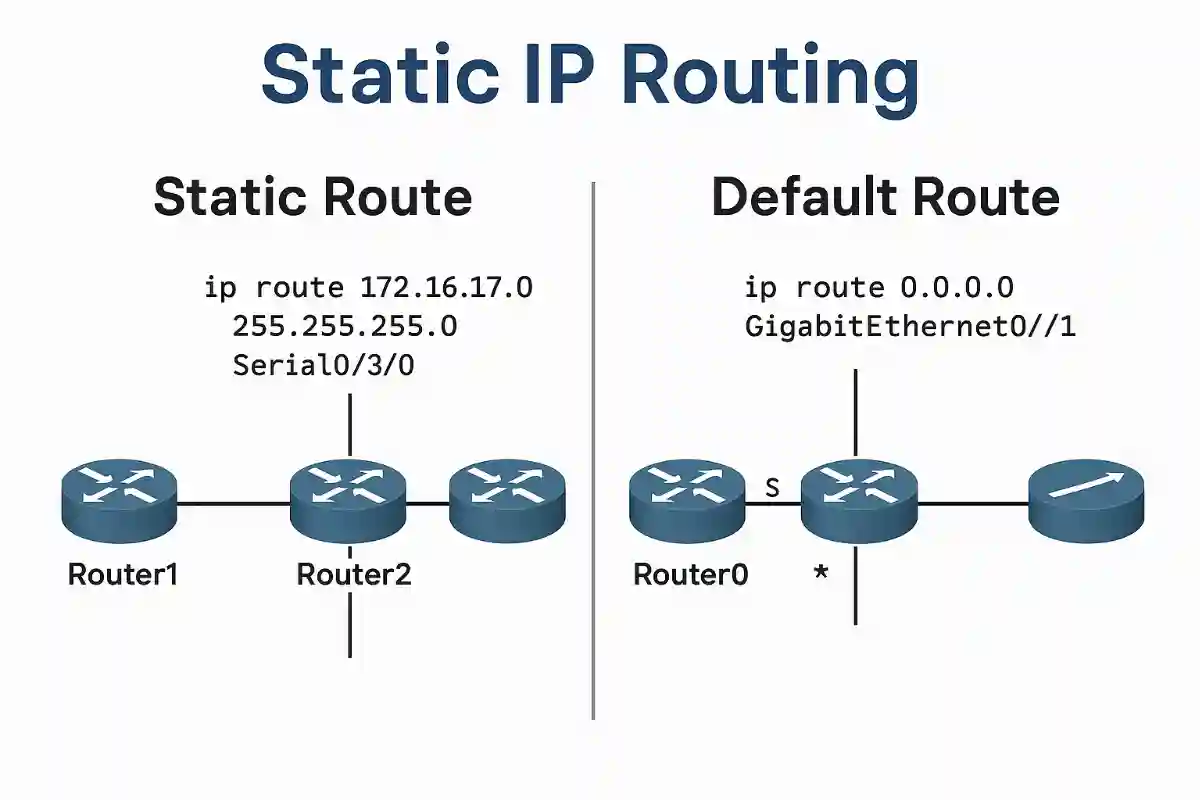
Master How to configure Static Route – IPv4 and IPv6 (Updated 2025)
We can configure static or dynamic routes after configuring directly connected interfaces. Static routes are manually configured and provide a clear path between two networking devices. However, they must be manually reconfigured if the network topology changes, which is the main disadvantage of static routes. It is more secure and efficient than dynamic routes. It...
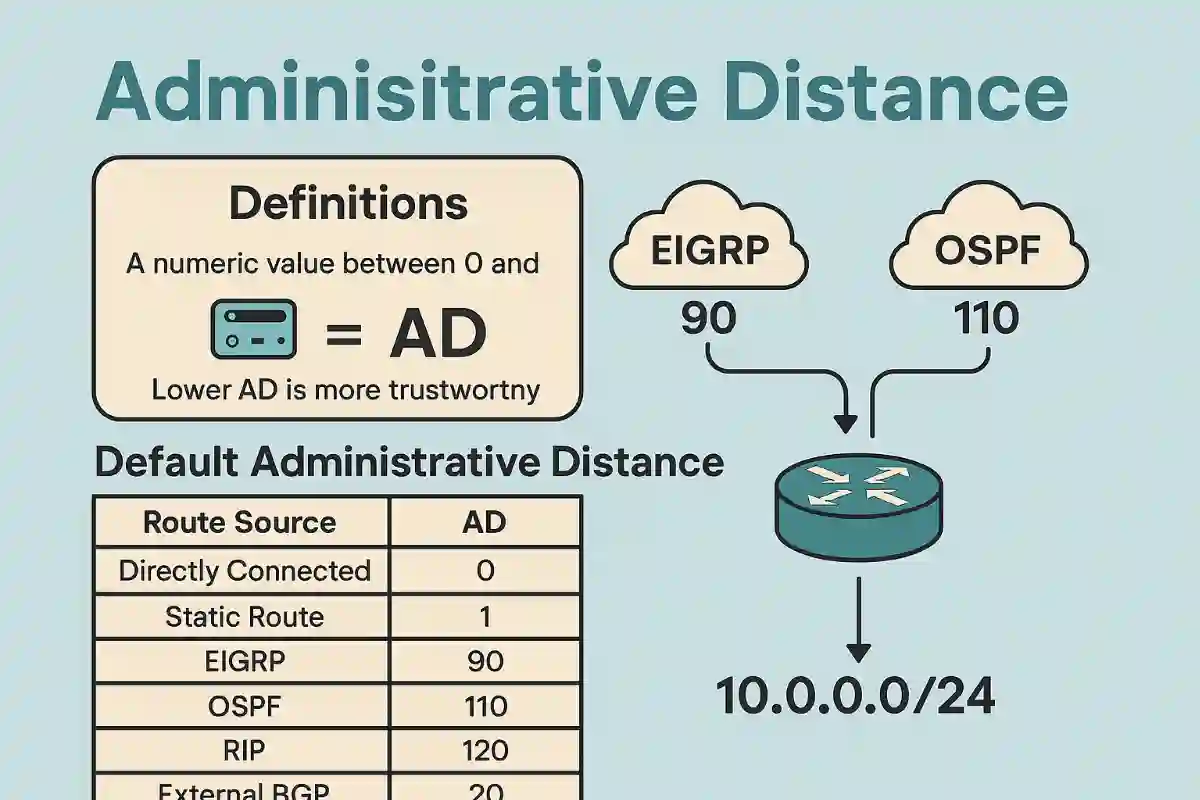
What is Administrative Distance – Explain
In network environments, routers often receive multiple routes to the same destination from different sources, such as routing protocols (e.g., OSPF, EIGRP, RIP), static routes, or directly connected networks. To select the most trustworthy route, Cisco routers use Administrative Distance (AD), a critical concept in the Cisco Certified Network Associate (CCNA) curriculum. This article explains AD’s...
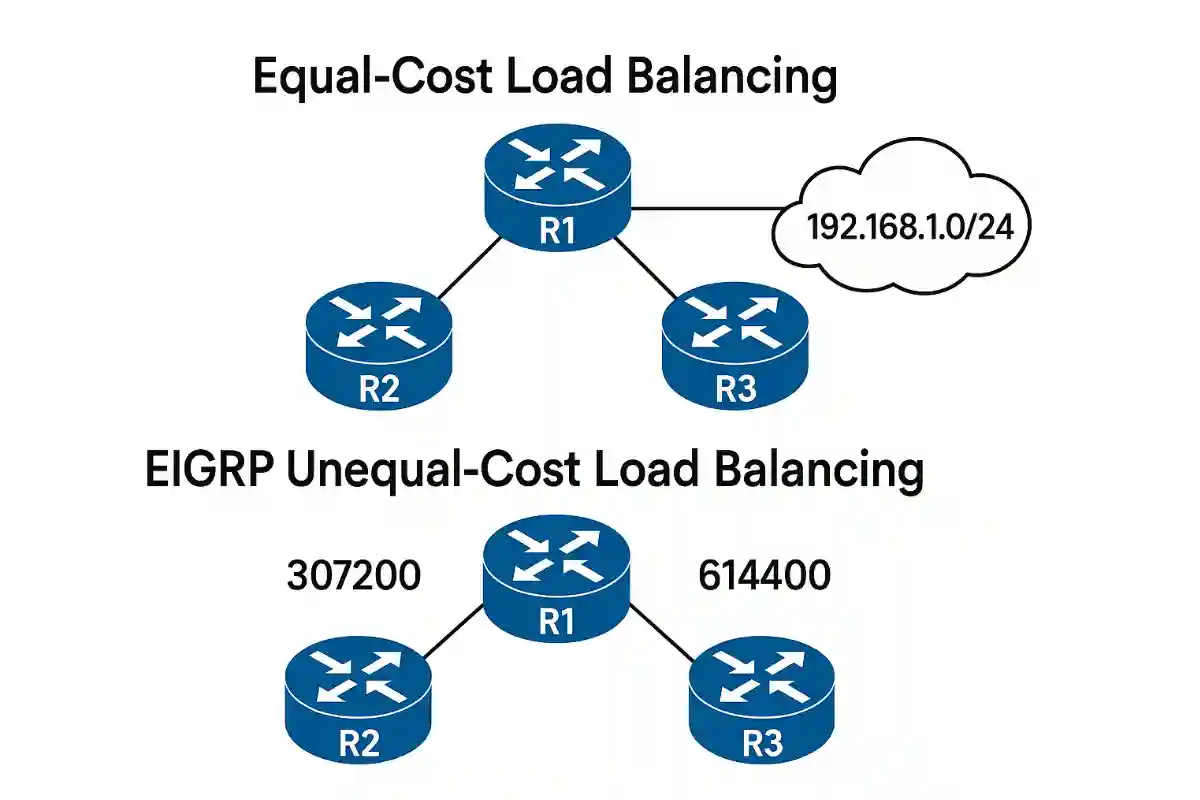
What is Network Load Balancing
Routers use administrative distance (AD) to prioritize routes learned from different routing protocols when multiple paths to a destination exist. AD is a value assigned to each routing protocol, with lower values indicating higher preference (e.g., EIGRP AD is 90, OSPF AD is 110). If multiple paths exist within the same protocol (same AD), the...
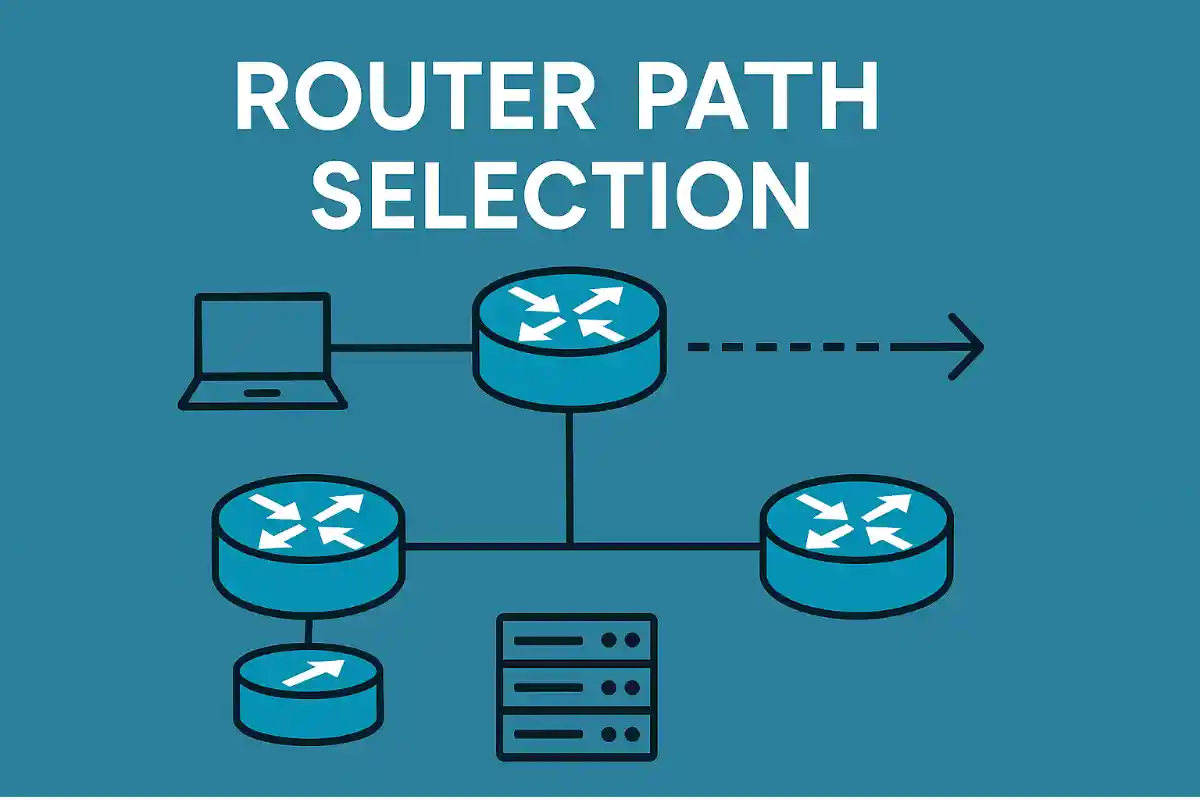
Mastering Router Path Selection: Best Path Determination (Updated 2025)
Understanding how routers select the best path for packet forwarding is a cornerstone of networking and a key topic for CCNA and CCNP certification exams. Routers use their routing tables to determine the optimal path based on metrics like administrative distance and protocol-specific values. This article dives into the mechanics of path selection, including directly...
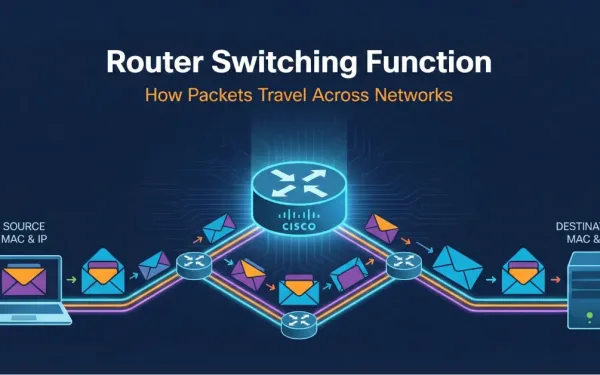
Router Switching Mastery: Unlock Efficient Packet Delivery (Updated 2025)
The router is a device that receives a packet from the source on any interface and forwards it to its destination on another interface. This is possible with the router switching function, which encapsulates packets in the data link frame type for the outgoing data link. Before going further, learn the key networking terms for...
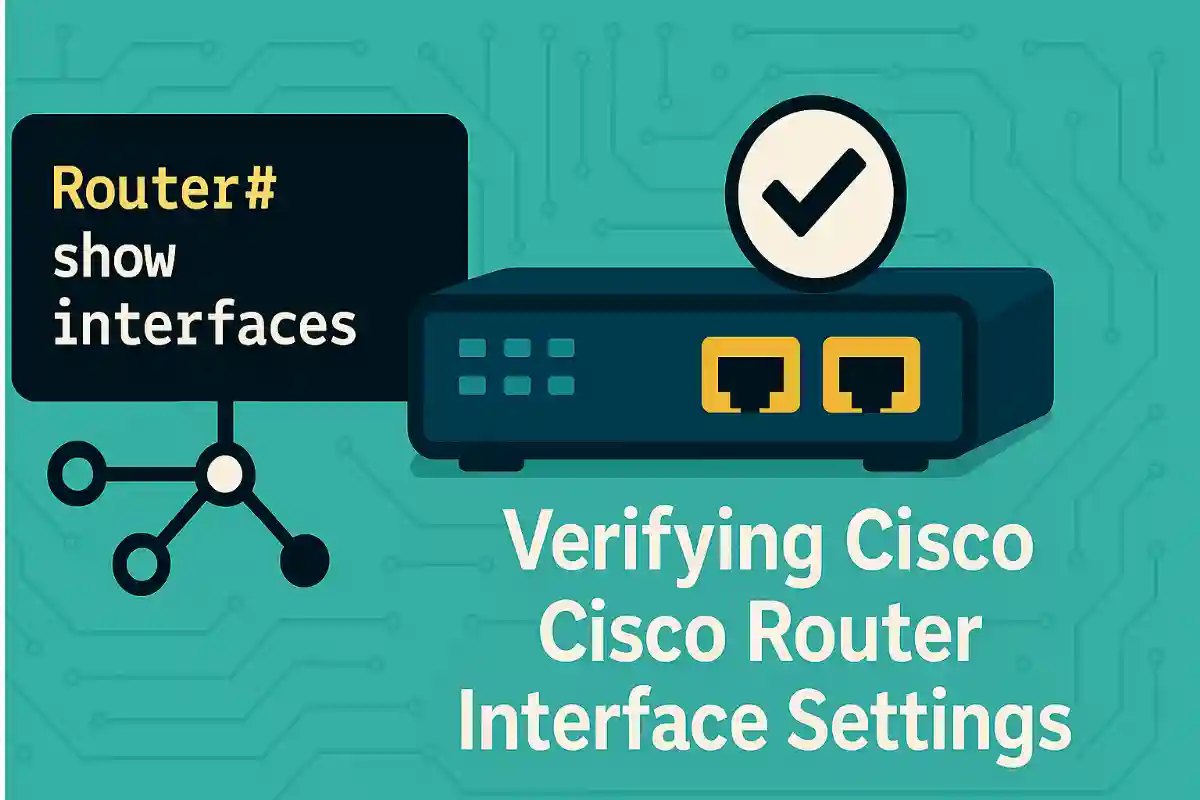
How to Verify Interface Settings
As a network engineer, ensuring that Cisco router interface settings are correctly configured is critical for maintaining network performance, security, and reliability. Verifying these settings involves checking interface settings status, IP configurations, duplex settings, and other parameters to ensure they align with the network design. This article provides a step-by-step guide to verifying Cisco router...
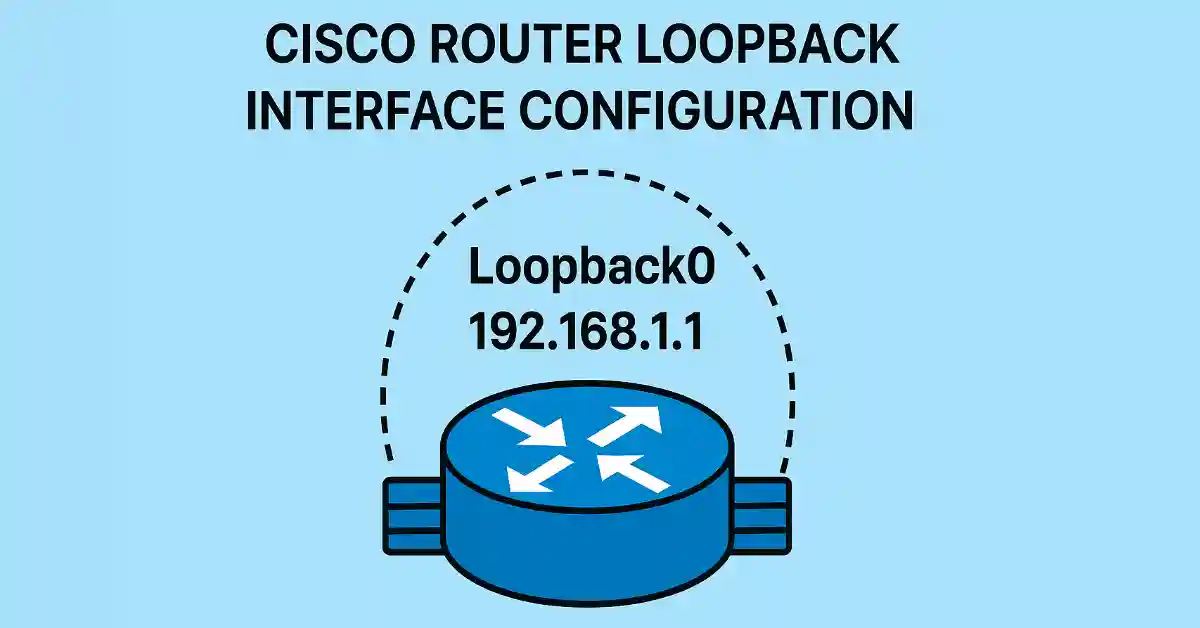
How to Configure an IPv4 Loopback Interface
The IPv4 loopback interface is logically configured internally in the router. In this lesson, we should discuss this interface configuration, but at this stage, it is necessary to know the IPv4 interface configuration before the IPv4 loopback interface configuration. I discussed the IPv4 interface configuration in one of my previous lessons. The address of the...
How to Enable IP Address on Network Switches
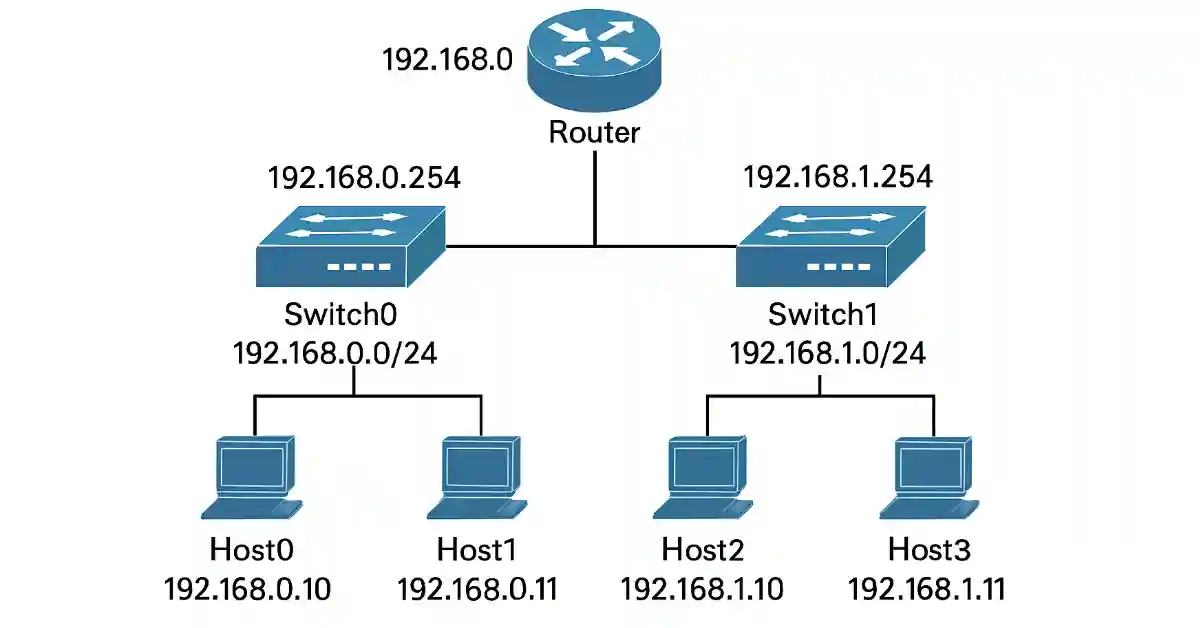
For CCNA and CCNP students, understanding how to enable IP address on network switches is critical for enabling remote management and ensuring efficient network operations. Network switches, unlike routers, primarily operate at Layer 2, forwarding frames based on MAC addresses. However, to manage a switch remotely using protocols like SSH, Telnet, HTTP, or HTTPS, an...
What is Console Access to Cisco Devices
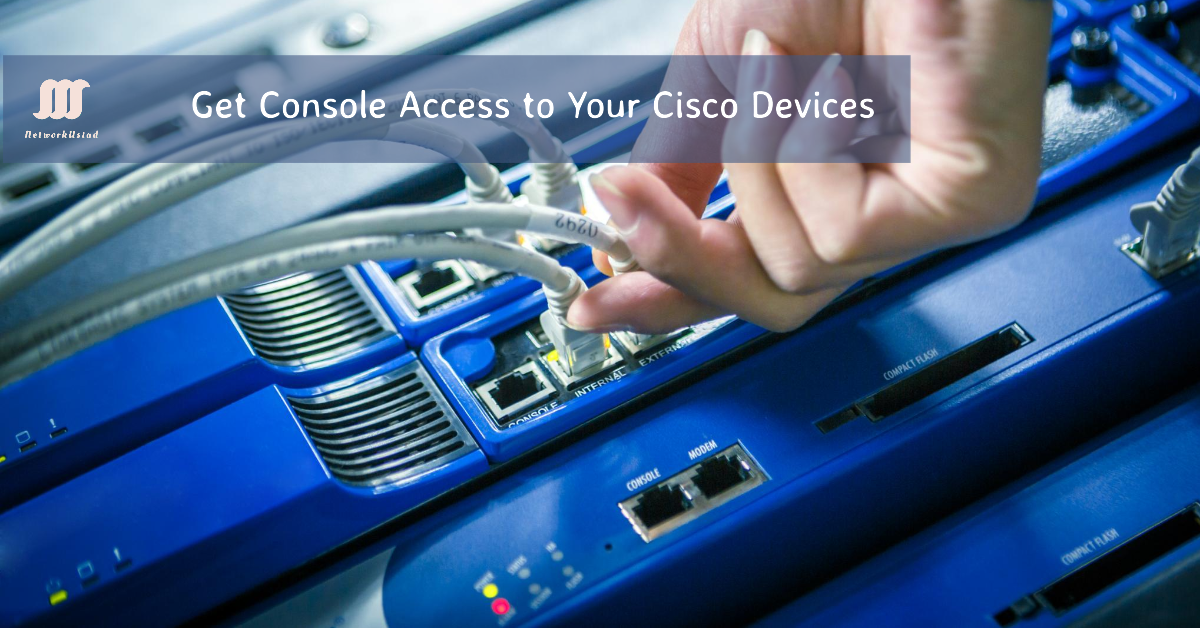
Console Access is an essential topic for networking students, so I will explain console access to Cisco devices in this lesson. All Cisco routers and switches have a console port, the management interface. It connects a computer directly to a router or switch and manages it. The console port is also used for initial configuration....