Search Results
Showing results for "business" (3325 articles found)
Master Switched Networks for CCNA/CCNP Success (Updated 2025)
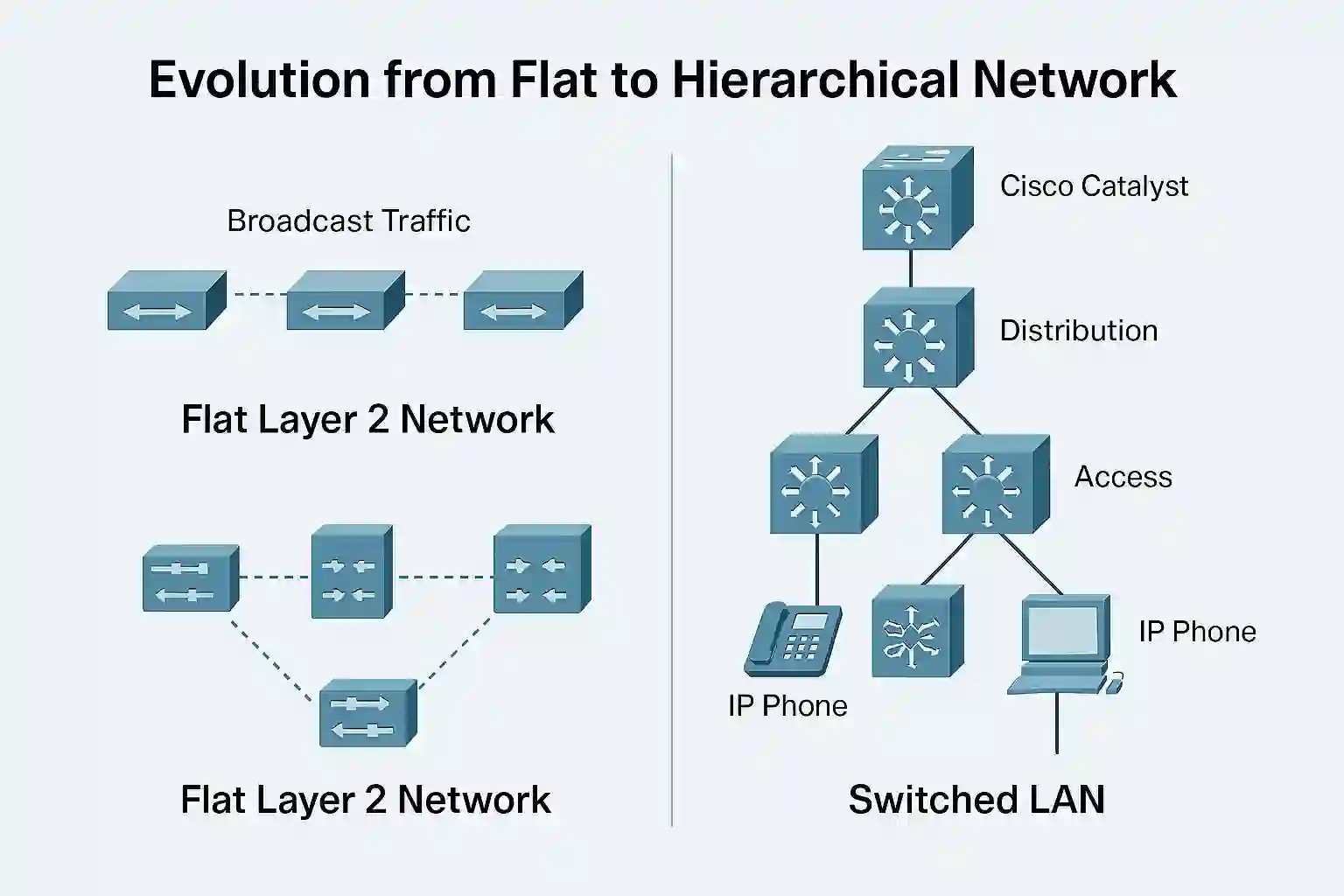
A few years ago, flat Layer 2 switched networks, relying on Ethernet hubs and repeaters, were the standard for campus LANs, broadcasting traffic inefficiently. The shift to switched LANs, as shown in Figure 1, introduced hierarchical designs using Cisco Catalyst switches, enabling traffic management, scalability, and advanced features. For CCNA and CCNP students, understanding this...
Master Converged Networks: Cisco Tools and Tips for Certification (Updated 2025)
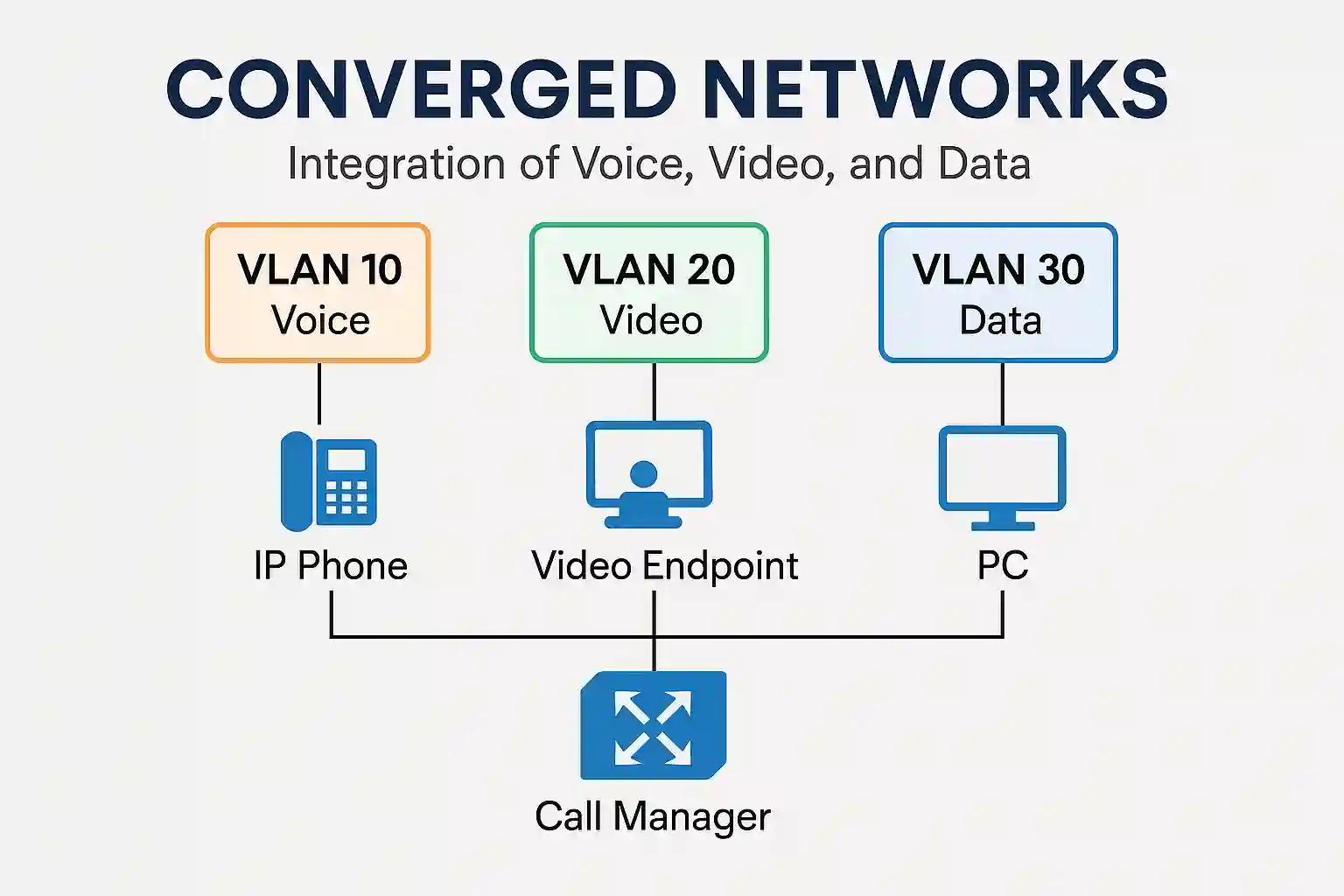
A converged network integrates voice, video, and data traffic over a single, high-performance IP infrastructure, enabling efficient communication for modern businesses. Unlike traditional networks that rely on separate infrastructures for each service, a converged network leverages Layer 2 (e.g., Ethernet switches) and Layer 3 (e.g., routers) devices to streamline operations. For CCNA and CCNP students,...
Master Network Uptime with Powerful Redundancy Strategies For Small Network (Updated 2025)
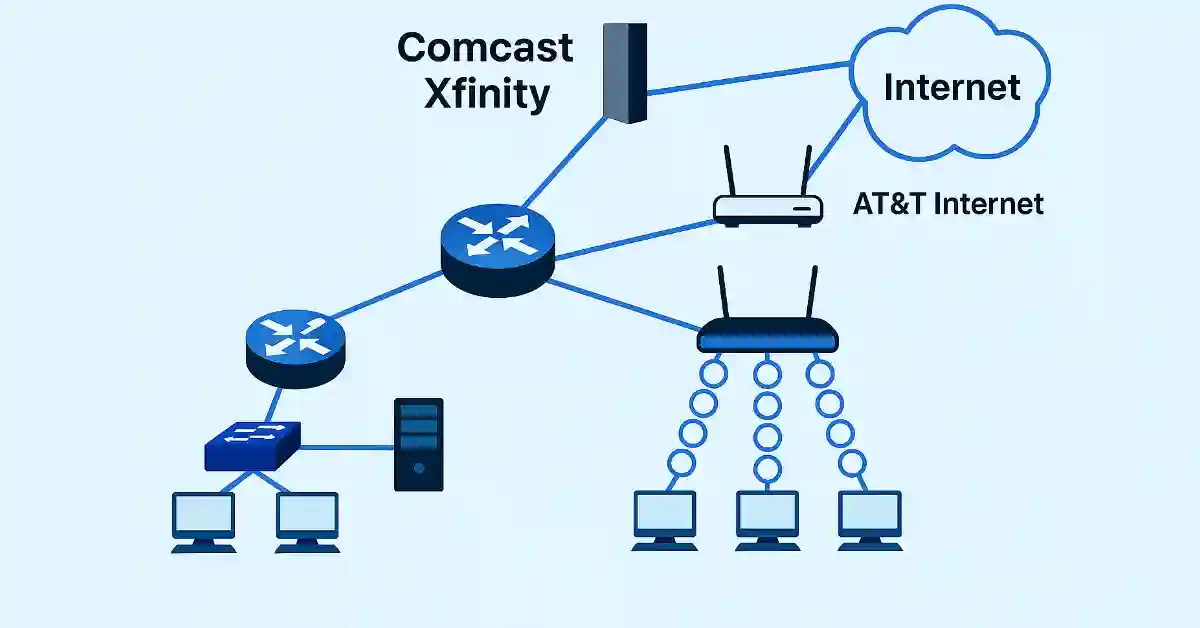
Redundancy In a Small Network Redundancy is a critical factor in network design, ensuring reliability and minimizing costly downtime in a business. It eliminates single points of failure, enhancing small network resilience. There are several ways to achieve redundancy in a small network. Network redundancy can be achieved by installing standby and alternate network devices,...
Small Network Topologies – Exclusive Details (Updated 2025)
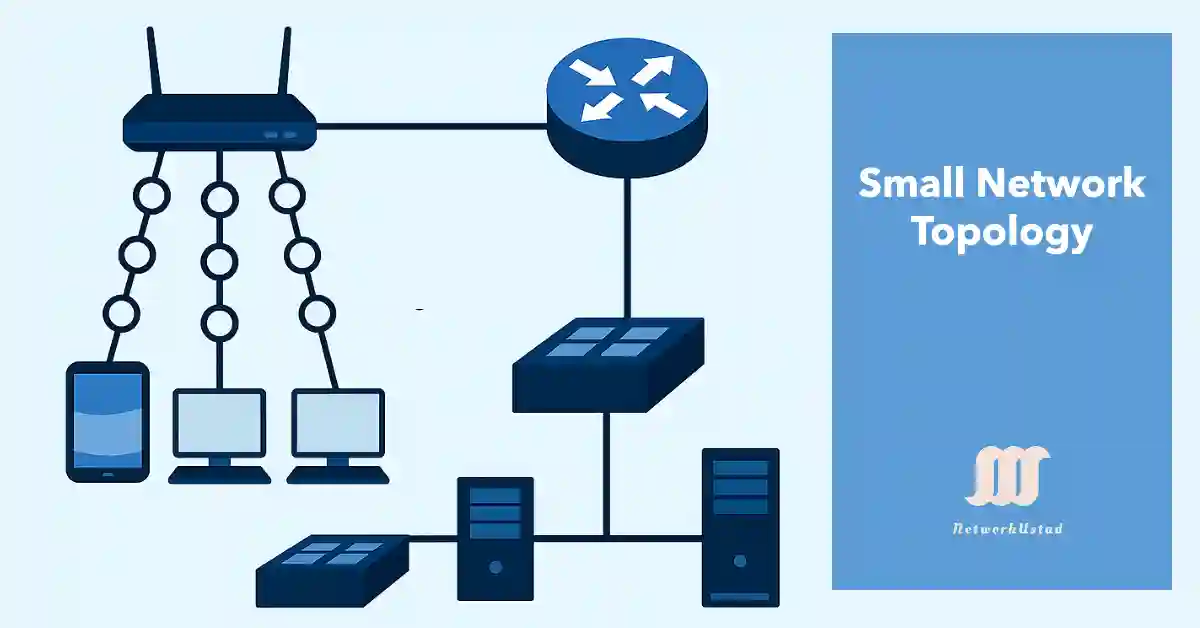
This guide is designed for network professionals using Windows (e.g., 10/11) or Linux (e.g., Ubuntu 22.04) systems. Network configuration can be managed via Command Prompt (cmd) on Windows or terminal (Ctrl + Alt + T) on Linux, with tools like ipconfig (Windows) or ifconfig (Linux) for IP management. These OS platforms are essential for implementing...
Master Server Message Block (SMB) Protocol and Boost Your Network Skills (Updated 2025)
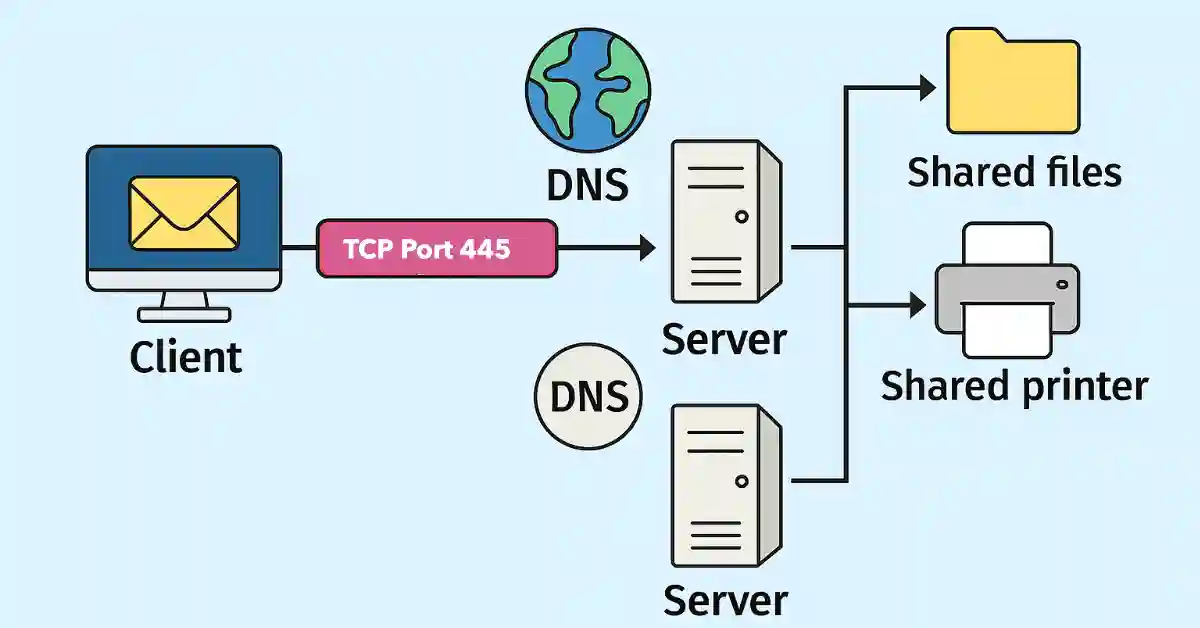
The Server Message Block (SMB) is a network protocol that allows the host to share data within the same network. It shares directories, files, printers, and serial ports as quickly as on the local computer. It is a request-response protocol that uses TCP port 445 for communication. All the messages of the SMB protocol have...
Master SMTP, POP, and IMAP for Seamless Email Success (Updated 2025)
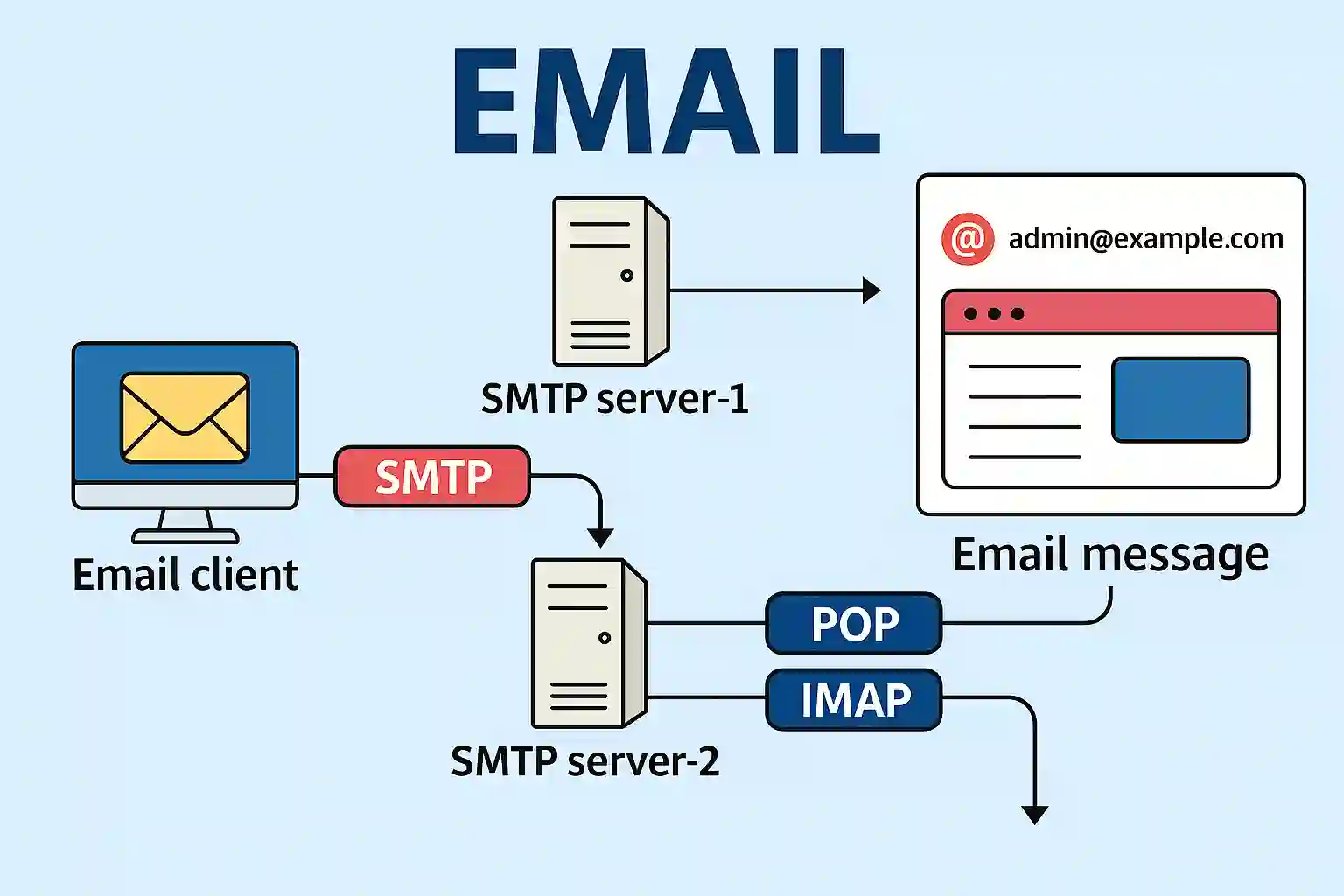
Email is one of the primary services running on the Internet. So, what application, protocol, and services are required for email? The email server stores email messages in a database. Email uses the store-and-forward method for sending and storing messages. Email clients communicate with the servers running mail services to send and receive email. The...
Mastering IPv4 Address Classes with Confidence: 2025 Guide
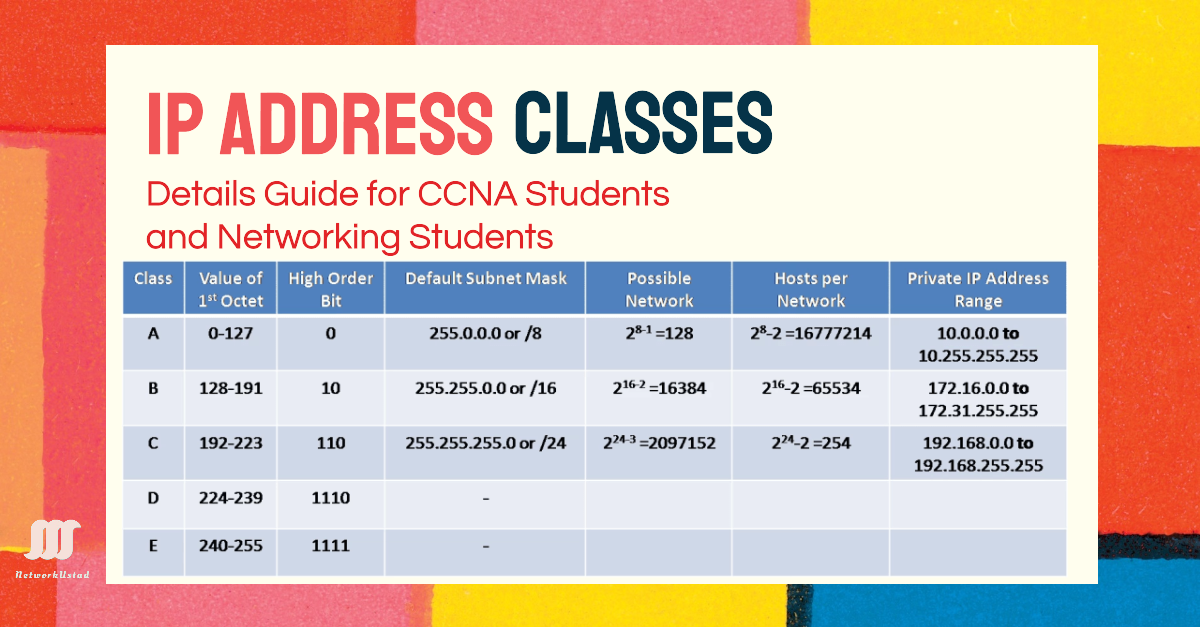
The IPv4 address is an identifying number for network devices. It is similar to a home or business address, which supplies that specific physical location with a particular address. Devices on a network are differentiated from one another through IPv4 addresses. In 2025, understanding IPv4 addressing is critical for CCNA preparation and managing networks with...
In-Band and Out-of-Band Network Management: A Complete Guide for Beginners
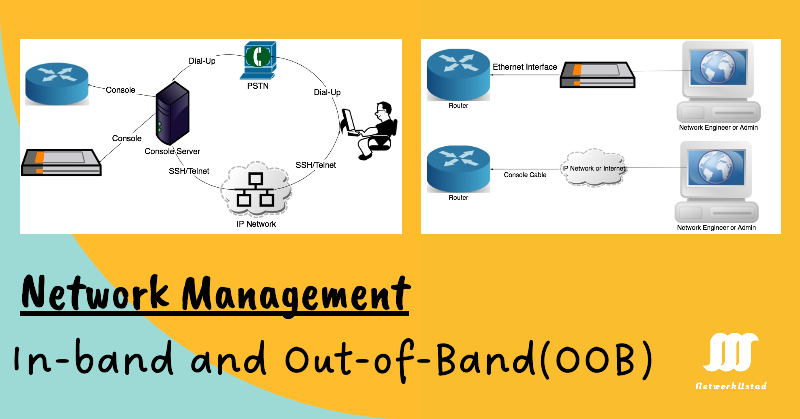
Network Management is critical for businesses, IT teams, and even CCNA students learning the ropes. Two fundamental approaches—in-band and out-of-band (OOB) management—determine how administrators monitor, configure, and troubleshoot devices. This guide’ll break down these concepts, compare their pros and cons, and explore real-world use cases. By the end, you’ll understand when to use each method and how modern...
Host Forwarding Decisions: A Complete Guide to Packet Routing
In computer networking, every device—a laptop, server, or router—must decide how to forward data packets to their destinations. While routers specialize in forwarding traffic across networks, hosts (end devices like PCs) also make critical forwarding decisions using subnetting, routing tables, and protocols like ARP or IPv6 NDP. This article demystifies how hosts and routers make forwarding decisions, with...

Limitations of IPv4: Challenges and Solutions in 2025
When the IPv4 address was invented, it was not expected that the Internet would become so popular that millions of devices would use these IP addresses. The IETF defined IPv4 addresses in RFC 791, published in 1981. The first design of IPv4 did not anticipate the Internet’s growth, which created many issues that proved that...