
Introduction
The word “blessing” is used in almost every culture, religion, and language. People often say “you are a blesing,” “count your blessings,” or “I am blessed,” but very few truly understand what it means in a deeper sense.
A blessing is not just a religious idea or a lucky event. It is everything that adds value, peace, happiness, or improvement to our life. Sometimes blessings are obvious, like success or good health. Other times, they are hidden in small moments, struggles, or even failures.
In this detailed guide, we will explore the meaning of blesings, their importance in life, different types of blesings, and how we can recognize and attract more positivity into our daily life.
1. What is a Blessing? (Simple Definition)
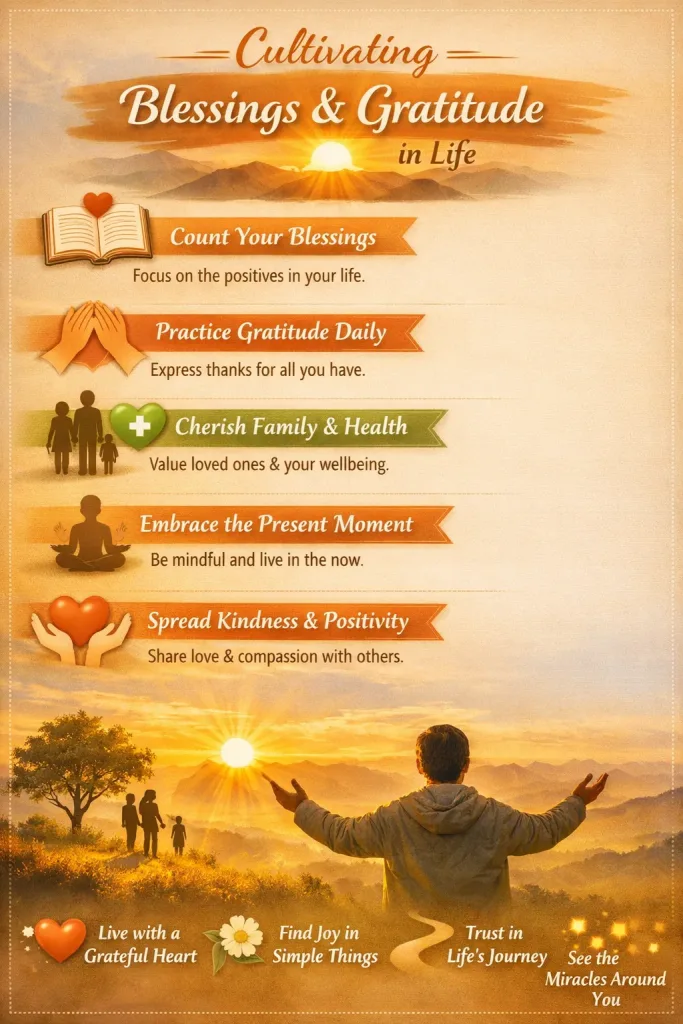
A blesing is anything that brings goodness, peace, happiness, or benefit into a person’s life. It can come from God, nature, people, or even life experiences.
In simple words:
A blesing is something that makes your life better in any way.
It is not limited to money or material success. Even waking up healthy in the morning is a blessing.
2. Origin and Meaning of the Word “Blesing”
The word “blesing” comes from old religious language where it meant “to make holy” or “to ask for divine favor.” Over time, its meaning expanded.
Today, blesing is used in both:
- Religious context (God’s mercy, prayers, divine help)
- General life context (good fortune, happiness, opportunities)
This shows that blesings are not limited to religion only — they are part of everyday human experience.
3. Religious Meaning of Blesing
In most religions, blessings are considered gifts from a higher power.
In Islam
Blesings are called “Barakah,” meaning increase in goodness, peace, and success in life. Even small things become sufficient when there is barakah.
In Christianity
Blessings are seen as God’s favor and protection over a person’s life.
In Hinduism
Blessings are considered divine energy received from gods, elders, and spiritual practices.
In all religions, one thing is common:
Blessings are a sign of divine mercy and protection.
4. General Meaning of Blesing in Daily Life
Outside religion, blesings are understood as anything that improves life quality.
Examples include:
- Good health
- Loving family
- Education
- Job or income
- Peace of mind
- Friendships
- Opportunities
- Even simple joys like food, shelter, and safety
Many people only focus on big achievements, but real life is full of small blessings that are often ignored.
5. Types of Blesings in Life
5.1 Material Blesings
These include physical and financial benefits:
- Money
- House
- Car
- Job
- Food
These are visible blesings that help us survive and live comfortably.
5.2 Emotional Blessings
These are related to feelings and relationships:
- Love from family
- True friendships
- Emotional support
- Feeling cared for
These blessings are often more valuable than money.
5.3 Health Blesings
Health is one of the biggest blessings:
- Healthy body
- Mental stability
- Energy to work and enjoy life
People often realize this blesing only when they lose it.
5.4 Spiritual Blesings
These include inner peace and faith:
- Faith in God
- Peace of heart
- Contentment
- Purpose in life
Spiritual blessings help people stay strong in difficult times.
5.5 Hidden Blesings
Sometimes challenges and problems are also blesings in disguise:
- Failure teaches lessons
- Pain builds strength
- Loss brings growth
- Difficulties shape personality
What seems negative today may become a blesing tomorrow.
6. Importance of Recognizing Blesings
Many people feel unhappy not because they lack blesings, but because they fail to recognize them.
When you recognize your blssings:
- You feel more grateful
- Stress reduces
- Happiness increases
- Life feels more meaningful
- You stop comparing yourself with others
Gratitude is the key to seeing blssings in everyday life.
7. Why People Fail to See Their Blesings
There are several reasons:
- Constant comparison with others
- Focus on problems instead of solutions
- Social media pressure
- Lack of gratitude habit
- Taking things for granted
When people focus only on what they don’t have, they ignore what they already have.
8. How to Count Your Blesings
8.1 Practice Gratitude Daily
Spend a few minutes daily thinking about what you are thankful for.
8.2 Keep a Gratitude Journal
Write 3–5 things you are grateful for every day.
8.3 Focus on Small Things
Appreciate simple things like:
- A good meal
- A smile
- A peaceful moment
8.4 Avoid Negative Thinking
Try to shift your focus from problems to solutions.
8.5 Help Others
Helping others makes you realize your own blessings.
9. How to Attract More Blesings in Life
While blesings cannot be “controlled,” you can create a positive mindset that attracts more goodness.
- Stay positive and hopeful
- Be kind to others
- Work hard with honesty
- Be grateful for what you have
- Stay patient during hard times
Positive energy often leads to positive outcomes.
10. Hidden Blesings in Difficult Times
Life is not always easy. Everyone faces challenges, but even struggles have hidden blessings.
For example:
- Losing a job may lead to a better opportunity
- Failure may teach success lessons
- Pain may build emotional strength
- Difficult people may teach patience
Sometimes, what hurts you today becomes your biggest blessing tomorrow.
11. Difference Between Luck and Blesing
Many people confuse luck with blessings.
- Luck is random and temporary
- Blesing is meaningful and often long-lasting
Blessings often come with peace, growth, and purpose, not just chance.
12. Real-Life Examples of Blesings
Here are simple examples:
- A sick person recovering = blesing
- Getting education = blesing
- Having supportive parents = blesing
- Finding true friends = blesing
- Surviving a difficult time = blesing
Even reading this article is a small blesing — because knowledge itself is valuable.
13. Psychological Benefits of Recognizing Blesings
Studies in psychology show that gratitude and positive thinking:
- Reduce stress and depression
- Improve mental health
- Increase happiness levels
- Improve relationships
This proves that recognizing blessings is not just spiritual — it is also scientifically beneficial.
14. How Gratitude Changes Life
Gratitude transforms mindset:
- From negativity → positivity
- From complaint → appreciation
- From stress → peace
- From jealousy → satisfaction
A grateful person always feels richer, even without much wealth.
15. Conclusion
A blesing is much more than luck, wealth, or success. It is anything that brings goodness, peace, growth, and meaning into our lives. Sometimes blessings come in obvious forms like health, family, and opportunities, while other times they are hidden within struggles, lessons, and life’s difficult moments.
The true beauty of blessings lies in our ability to recognize them. A person who practices gratitude can find blessings even in the smallest things — a peaceful morning, a caring friend, a lesson learned from failure, or simply another day of life.
When we learn to count our blessings instead of our problems, life becomes more positive, peaceful, and meaningful. Gratitude opens the heart, reduces stress, and helps us appreciate what we already have.
In the end, blessings are everywhere around us; we simply need the right mindset to see them.
The more thankful you become, the more blessed your life feels.
FAQs About Blessings
1. What is a blesing?
A blesing is anything that brings goodness, peace, happiness, growth, or benefit into life. It can be health, family, success, opportunities, or even lessons learned from difficult experiences that help improve your future.
2. Are blessings only related to religion?
No, blessings are not limited to religion. They can include daily life benefits such as good health, supportive relationships, financial stability, education, peace of mind, and positive opportunities that make life better and more meaningful.
3. Can difficult times be blessings?
Yes, difficult times can become hidden blessings because they teach valuable lessons, build strength, improve patience, and help personal growth. Many life struggles later lead to better opportunities and stronger character.
4. How can I recognize my blesings?
You can recognize blessings by practicing gratitude, appreciating small moments, focusing on what you have, avoiding comparison with others, and understanding that even simple things like peace, food, and health are valuable blessings.
5. Why is health considered a blesing?
Health is considered a blesing because it gives you the strength to work, enjoy life, support your family, and live peacefully. People often realize its true value only when they face illness or weakness.
Disclaimer:
The information provided in this article is for general informational and educational purposes only. It is intended to offer a broad understanding of the meaning and importance of blessings in life from personal, spiritual, and practical perspectives. This content should not be considered professional, religious, psychological, or medical advice. Individual beliefs, experiences, and interpretations of blessings may vary depending on culture, religion, and personal circumstances. Readers are encouraged to seek guidance from qualified religious scholars, counselors, or professionals for specific concerns related to spiritual or mental well-being. The author is not responsible for any actions taken based on this information.