Asad Ijaz
NetworkUstad's lead networking architect with CCIE certification. Specializes in CCNA exam preparation and enterprise network design. Authored 2,800+ technical guides on Cisco systems, BGP routing, and network security protocols since 2018. Picture this: I'm not just someone who writes about tech; I'm a certified expert in the field. I proudly hold the titles of Cisco Certified Network Professional (CCNP) and Cisco Certified Network Associate (CCNA). So, when I talk about networking, I'm not just whistling in the dark; I know my stuff! My website is like a treasure trove of knowledge. You'll find a plethora of articles and tutorials covering a wide range of topics related to networking and cybersecurity. It's not just a website; it's a learning hub for anyone who's eager to dive into the world of bits, bytes, and secure connections. And here's a fun fact: I'm not a lone wolf in this journey. I'm a proud member and Editor of Team NetworkUstad. Together, we're on a mission to empower people with the knowledge they need to navigate the digital landscape safely and effectively. So, if you're ready to embark on a tech-savvy adventure, stick around with me, Asad Ijaz Khattak. We're going to unravel the mysteries of technology, one article at a time!"
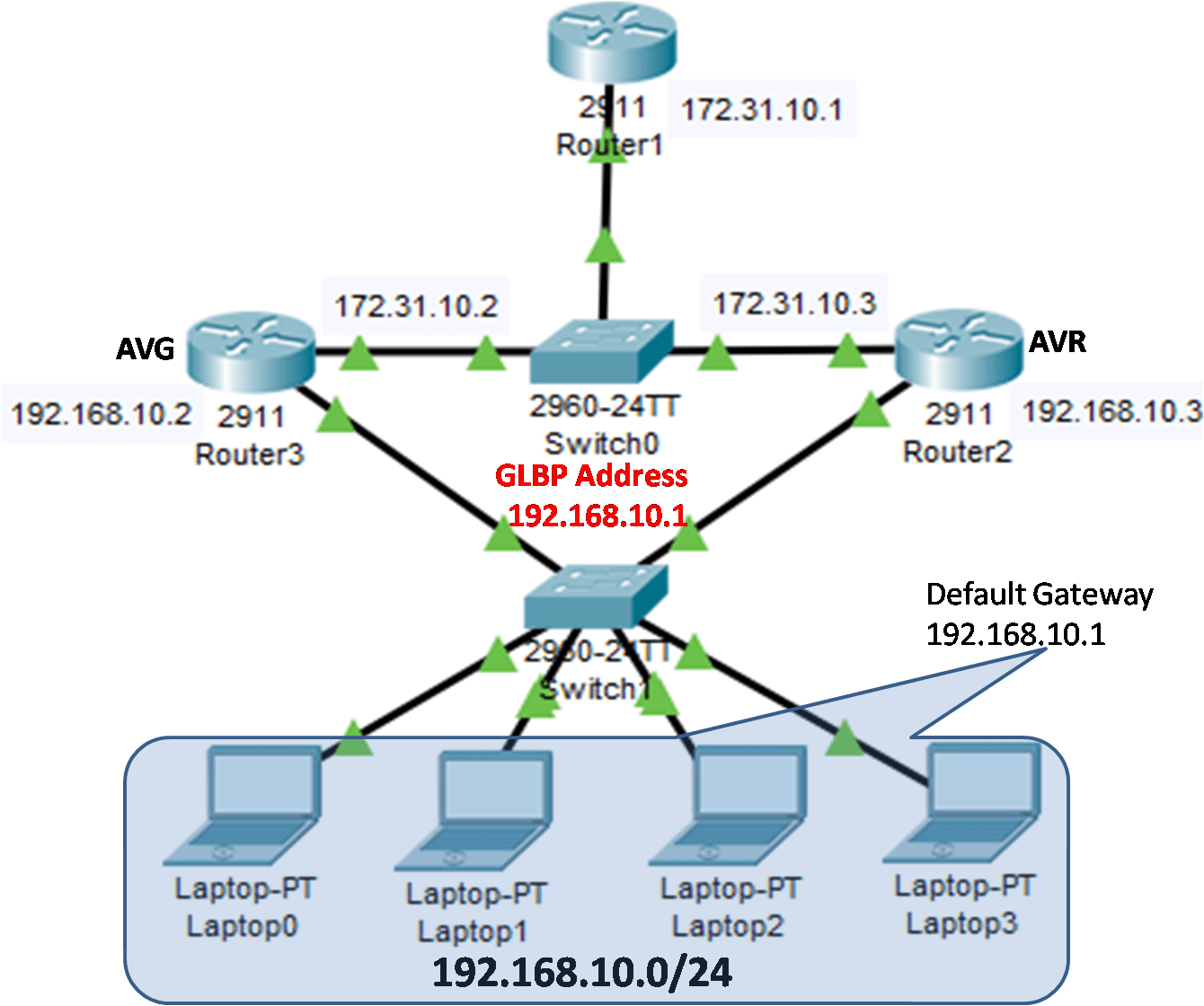
How to Configure the Gateway Load Balancing Protocol?
Gateway Load Balancing Protocol (GLBP) is the Cisco-proprietary FHRP. It also allows load sharing between a group of redundant routers. GLBP was specially designed to overcome the limitations of HSRP and VRRP. In HSRP and VRRP, only the active/master router can forward traffic while all the standby/backup routers are idle but Gateway Load Balancing Protocol...
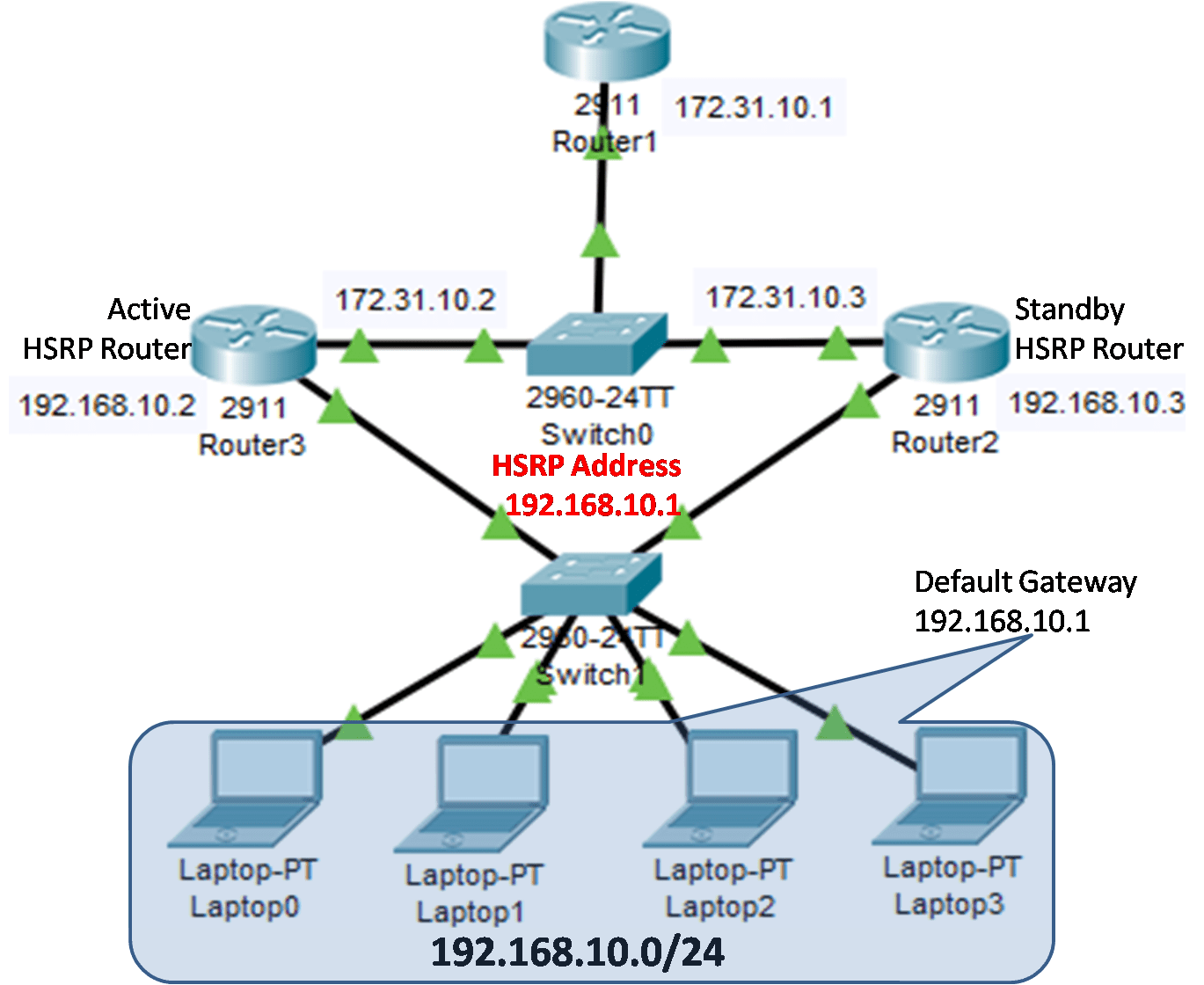
How to configure HSRP?- Exclusive Explanation
HSRP is a Cisco-proprietary First Hop Redundancy Protocol (FHRP) planned to allow for transparent failover of a first-hop IPv4 device. It allows configuring two or more routers as standby routers and only a single router as an active router at a time which ensure high network availability by providing first-hop routing redundancy for IPv4 hosts...

Router Redundancy: Boost Network Reliability in 2026 with Proven Protocols
A virtual router is a method to prevent a single point of failure at the default gateway. To implement virtual router redundancy, several routers are configured to work jointly as a single router to the hosts on the LAN. The routers share an IP address and a MAC address and act as a single virtual...
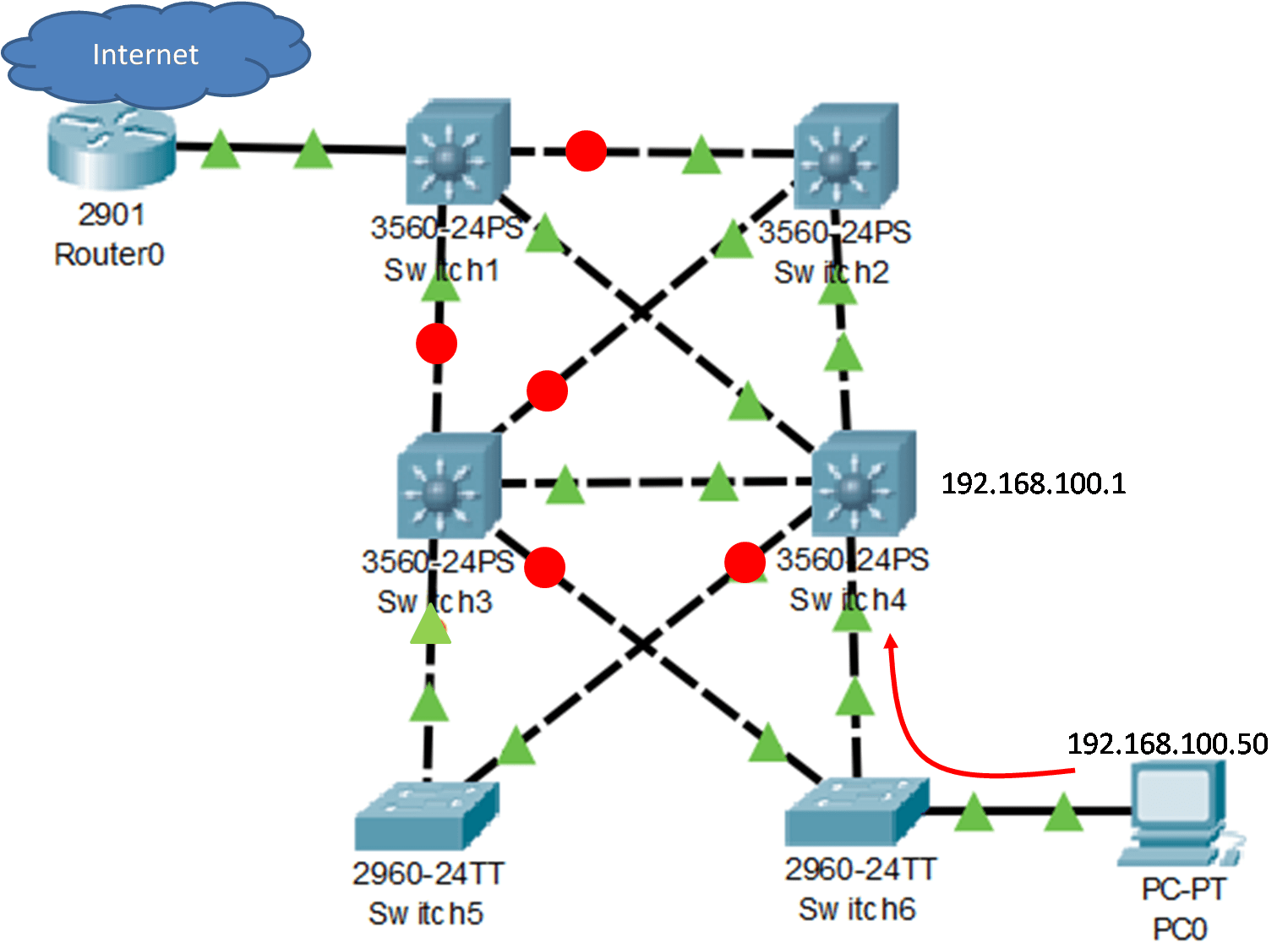
Default Gateway Limitations: Impact on Connectivity and Performance
Hosts at the access layer of a hierarchical network take advantage of the alternate default gateways. If a gateway (router interface) fails, the hosts configured with that gateway are cut off from outside networks. A method is needed to provide alternate default gateways in switched networks where two or more routers are connected to the...
How to Troubleshoot Spanning-Tree Protocol
In most networks, the best Spanning-Tree Protocol topology is determined as part of the network blueprint. The Spanning-Tree Protocol is implemented by configuring Spanning-Tree Protocol priority and cost values. Several things could go wrong. You can expect something, but your switches can give you something different. Situations also occur when the Spanning-Tree Protocol was not...
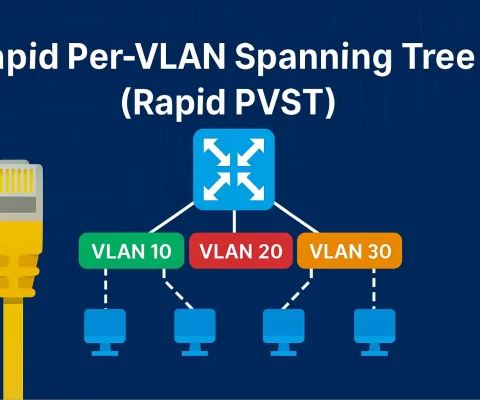
Master How to Configure Spanning-Tree Mode – Rapid PVST+ (Updated 2025)
As a cornerstone of Layer 2 redundancy in Cisco networks, Rapid Per-VLAN Spanning Tree Plus (Rapid PVST+) is essential for CCNA 200-301 exam candidates and CCNP ENCOR professionals alike. This guide walks you through configuration, labs, troubleshooting, and best practices to master “how to configure Rapid PVST+ on Cisco Catalyst switch CCNA lab” scenarios. Whether...
What is PVST+ Load Balancing? – Exclusive Explanation
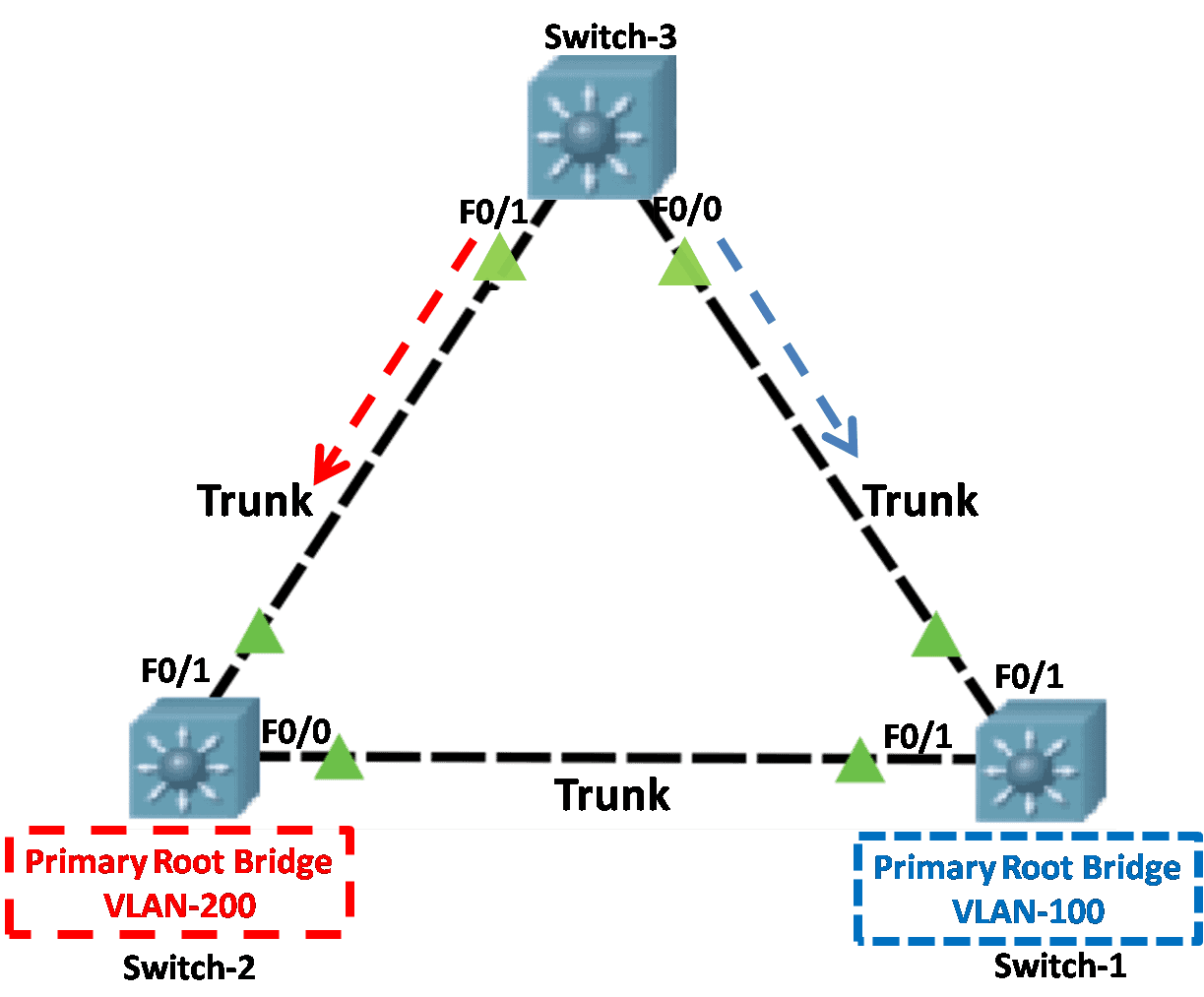
Network load balancing is the technique to manage traffic across a network without the use of complex routing protocols such as BGP. Network Load Balancing divide load across multiple links, which use the network resources more efficiently and avoid network overload. Load balancing may be accomplished through software or hardware. Now, look at the topology...

How to Configure PortFast and BPDU Guard—Explained
Updated November 26, 2025 – This guide covers PortFast and BPDU Guard configurations for CCNA (200-301) and CCNP (ENARSI) exams, including labs, best practices, and RSTP integrations. Ideal for students asking, “What is PortFast and how do I enable it on a Cisco switch for CCNA?” The switch port directly connected to an end station...
How to Configure Spanning-Tree Bridge ID – Briefly Explained
When configuring a specific switch as a root bridge, the bridge ID priority value must be adjusted to be lower than the bridge priority values of all the other switches on the network. There are two different methods for configuring the bridge priority value on a Cisco Catalyst switch. Method 1 To ensure the switch...
What is RSTP and Rapid PVST+: Exclusive Details
RSTP- IEEE 802.1w is the advanced version of STP, providing faster convergence than CST but holding with the same single root bridge in the topology. Most parameters in RSTP are the same as STP, so users who understand STP can effortlessly configure the RSTP. Rapid PVST+ is Cisco’s proprietary implementation of RSTP that operates on...