Muhammad Khattak
Routing and switching specialist, CCNA certified, with extensive experience in network configuration and troubleshooting. Covers OSPF, EIGRP, VLAN management, and advanced routing concepts.
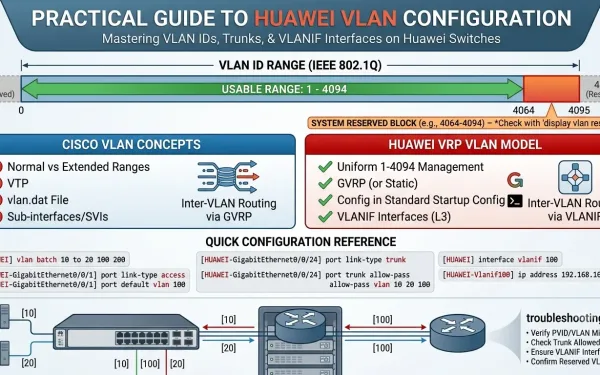
VLAN ID Range Explained: Configuring VLANs on Huawei Switches
An accurate, practical guide to VLAN IDs and VLAN configuration on Huawei switches, for anyone studying HCIA/HCIP or managing a Huawei network. Technical details here follow the IEEE 802.1Q standard and Huawei’s official product documentation. Huawei switches support a VLAN ID range of 1 to 4094, following the IEEE 802.1Q standard. Unlike Cisco, Huawei does...
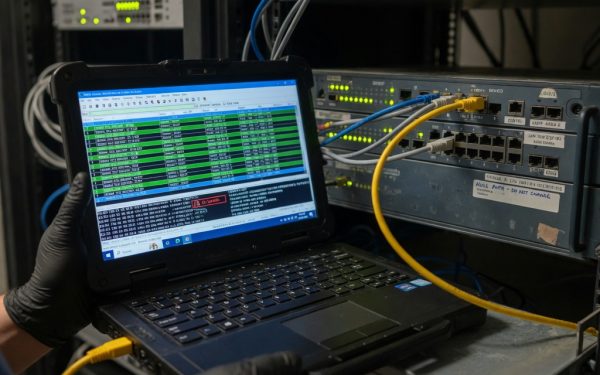
Why Plain-Text OSPF Authentication Is Still Prevalent in Production Networks
OSPF authentication configuration, migration strategies, and troubleshooting for Cisco, Juniper, and Fortinet networks. Includes CLI examples and certification tips.

The Galaxy S26 did something no phone has done in years — it made me doubt my iPhone
Samsung shipped over 60 million Galaxy S25 units in its first quarter post-launch, according to Counterpoint Research data from early 2026. Yet whispers of its successor, the Galaxy S26, already dominate tech forums and leaks from supply chain insiders. This article dives deep into confirmed specs, rumored innovations, and expert analyses to help you decide...
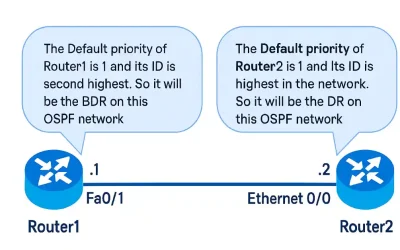
Understanding OSPF Neighbor Adjacencies, DR/BDR Election, and Database Synchronization
If a router interface is configured with OSPF, the router must determine if another OSPF neighbor is on the link. To do this, the router forwards a Hello packet containing its router ID to all OSPF-enabled interfaces as multicast. The OSPF process uses the router ID to recognize every router individually in the OSPF area....
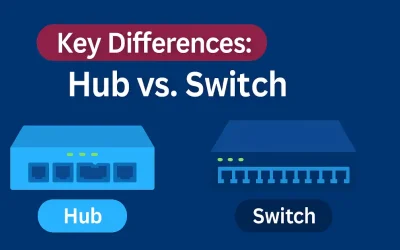
Switch vs. Hub: Overcome Obsolete Tech with Expert Guidance (Updated 2026)
In networking, understanding the differences between a switch and a hub (switch vs. hub) is fundamental for students and networking professionals. While hubs were historically used to connect devices in local area networks (LANs), modern networks rely on switches for efficiency, scalability, and security. This article explores their roles, distinctions, and practical applications, with Cisco-specific...
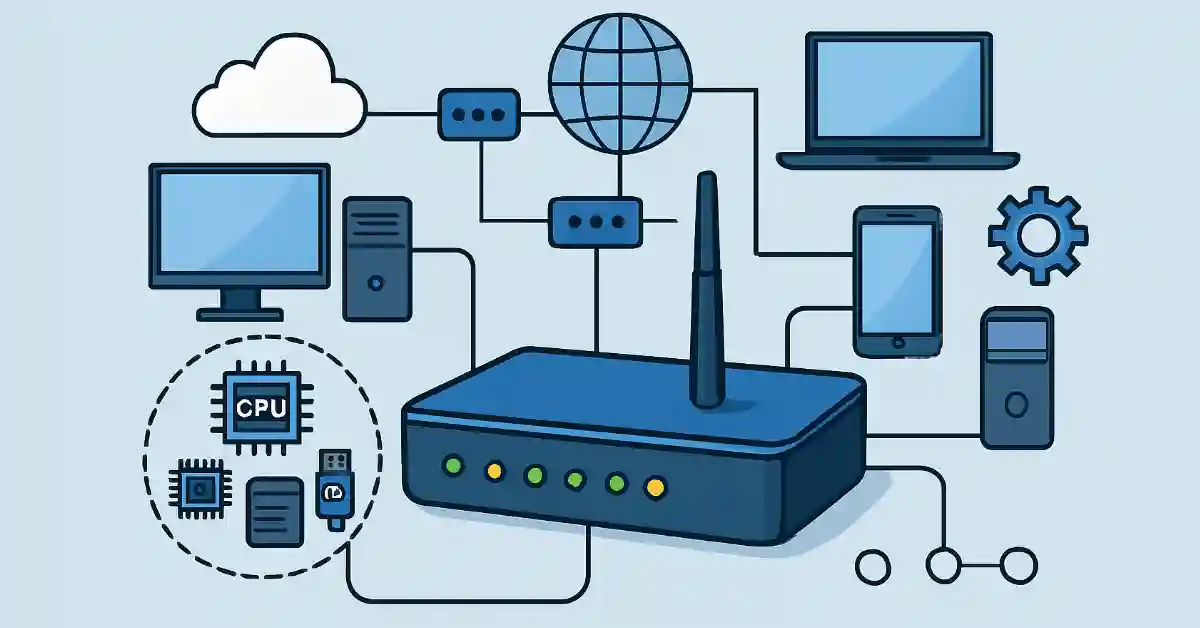
The functions of the Router Briefly Explained
Routers are the cornerstone of modern networking, enabling seamless communication between devices across local and global networks. For CCNA and CCNP students, understanding the functions of the router is essential for mastering network fundamentals, configuring Cisco devices, and passing certification exams. A router connects multiple networks, determines the best path for data packets, and ensures...
Understanding Transmission Modes: Simplex, Half-Duplex, and Full-Duplex Explained
Transmission modes define the direction and flow of data between devices in a network, playing a critical role in determining communication efficiency. Whether it’s a one-way broadcast like radio or simultaneous two-way conversations like a phone call, understanding these modes—simplex, half-duplex, and full-duplex—is essential for network design and optimization. This article explores each mode with...
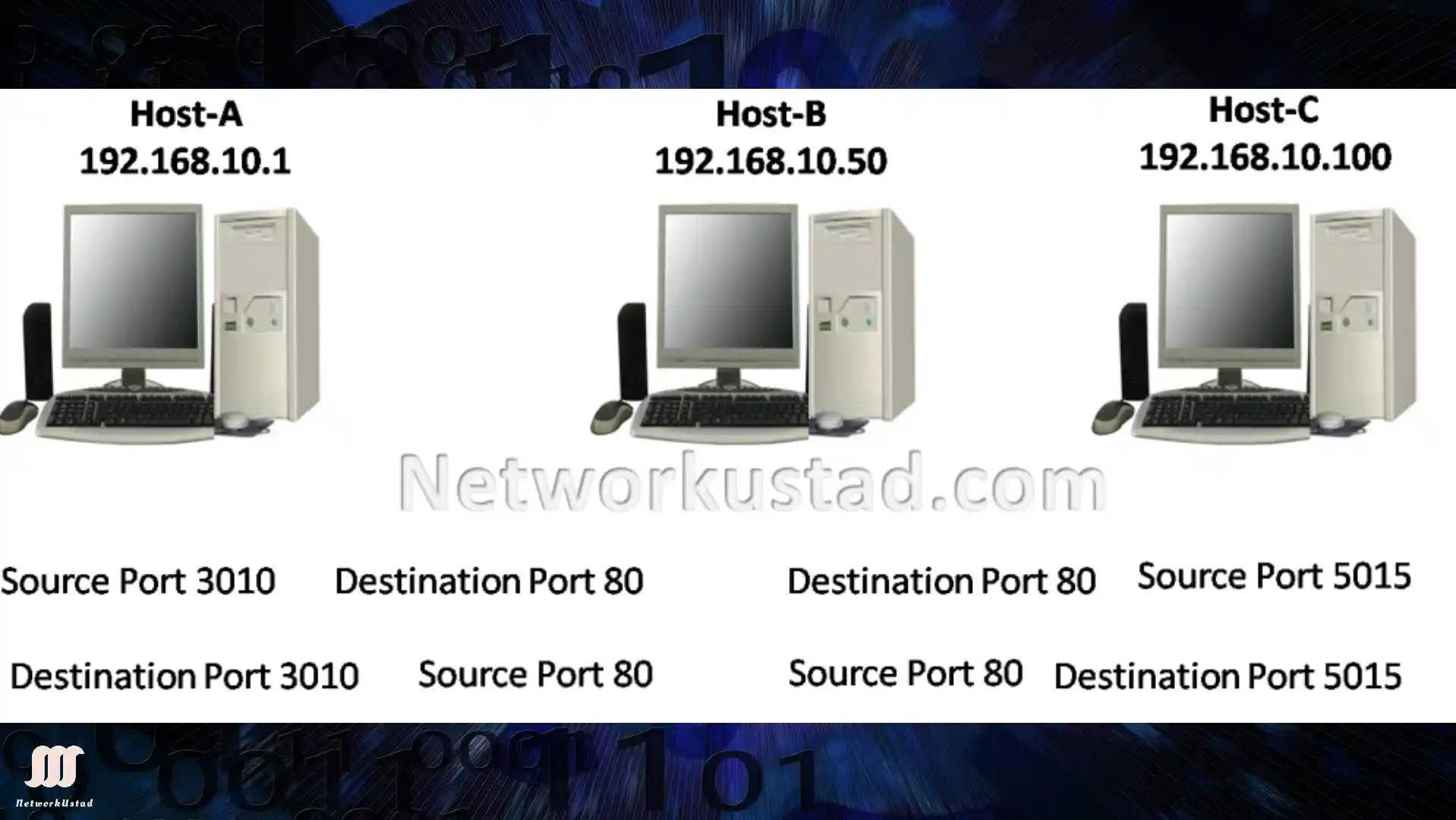
Common Network Port Numbers: A Comprehensive Guide to Understanding and Using Them Effectively
Network ports act as virtual endpoints for communication in a network, allowing devices to exchange data using standardized protocols like TCP and UDP. Each port is assigned a number from 0 to 65535, with specific ranges reserved for different purposes. Understanding common network port numbers is critical because they: This article will explore the most...
Quiz Test Types of Physical Media and Networking Cables
Ready to test your networking knowledge? Take the Quiz Test – Types of Physical Media and Networking Cables now and see how well you know your cables and Media! Challenge yourself, learn something new, and share your score with friends. Click here to start: Take the Quiz! #NetworkingNinja #TechQuiz Loading Bar Example . CCNA Practice...
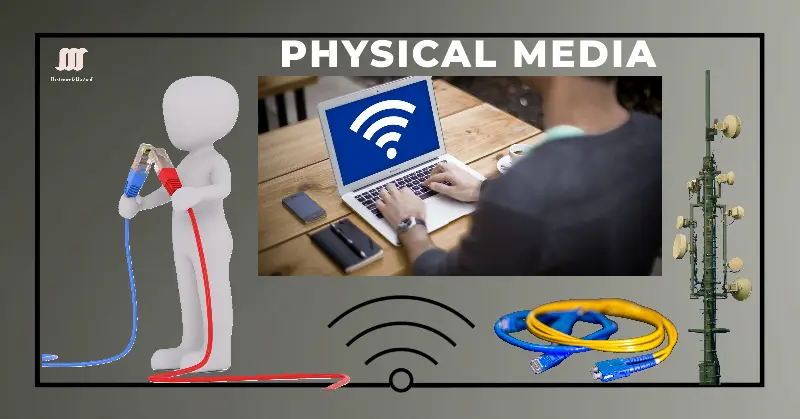
Comprehensive Guide to Types of Physical Media and Networking Cables
Want to build rock-solid networks? Start with the cables. Network physical media are the highways for data. They connect our computers, routers, switches, and servers in the digital world. These transmission channels operate in the Physical Layer. This is the first layer of the OSI framework. They fall into two main types: guided systems that...