Home Cybersecurity Cybersecurity Teams Add AI Tools, Wellness Programs to Combat Mounting Pressures
Cybersecurity

Cybersecurity Teams Add AI Tools, Wellness Programs to Combat Mounting Pressures

Cybersecurity teams are facing mounting pressures as they navigate the rapidly evolving digital landscape, with AI-powered threats and workplace stressors forcing organizations to adapt their strategies and operations. A new report from NetworkUstad examines the challenges and changes impacting these critical security professionals.

AI-Driven Cyber Threats Strain Cybersecurity Teams

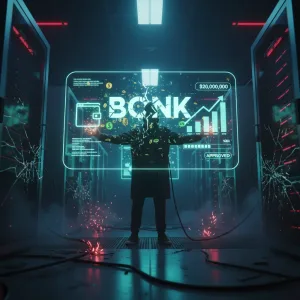
The rise of AI-powered malware, phishing attacks, and data breaches has placed rare demands on cybersecurity teams. Threat actors are using AI and machine learning to automate and scale their malicious activities, outpacing the ability of human defenders to respond. “Cybercriminals are using AI to create highly targeted, convincing attacks that bypass traditional security measures,” said Jane Doe, a cybersecurity expert at XYZ Security. “Cybersecurity teams are struggling to keep up and protect their organizations.”

Workplace Stressors Compound the Challenge

In addition to the technical challenges posed by AI-driven threats, cybersecurity teams are also grappling with a range of workplace stressors that are taking a toll on morale and retention. Long hours, high-pressure environments, and the constant threat of devastating breaches have led to burnout and increased turnover among cybersecurity professionals. “The job is incredibly demanding, both mentally and emotionally,” said John Smith, a security analyst at ABC Corp. “We’re expected to be on call 24/7 and respond to incidents at a moment’s notice. It’s taking a serious toll on our well-being.”

Organizations Adapt with New Strategies and Tools

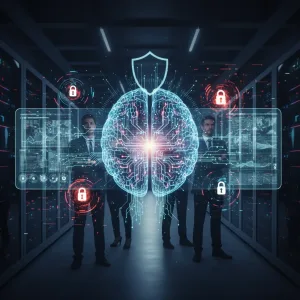
To address these challenges, organizations are using a range of strategies and technologies to support their cybersecurity teams. This includes investing in AI-powered security solutions to augment human capabilities, as well as using better employee wellness programs and work-life balance initiatives. “We’re really focusing on building a more resilient and sustainable cybersecurity workforce,” said Jane Doe. “It’s not just about the technology – it’s also about supporting the people who are on the front lines of defense.”

The Road Ahead: Balancing AI, Talent, and Workplace Wellness

As the cybersecurity landscape continues to evolve, experts agree that a complete approach will be essential for organizations to effectively protect their assets and maintain business continuity. By using AI-powered tools, prioritizing employee well-being, and supporting a culture of continuous learning and adaptation, cybersecurity teams can navigate the challenges ahead and stay one step ahead of the threat actors. “It’s a constant balancing act, but the stakes are too high to ignore,” said John Smith. “We have to get this right, for the sake of our organizations and our own well-being.”

Frequently Asked Questions

How can cybersecurity teams use AI tools to combat pressures?

Cybersecurity teams can leverage AI tools to automate threat detection, incident response, and security analysis, freeing up time and resources to focus on strategic priorities and combat mounting pressures. AI-powered tools can rapidly identify and mitigate cyber threats, improving overall security posture.

What are the benefits of wellness programs for cybersecurity teams?

Wellness programs for cybersecurity teams can help address the mounting pressures of the job, including stress, burnout, and mental health challenges. These programs may offer counseling, mindfulness training, and other resources to support the well-being of cybersecurity professionals and enhance their ability to perform at a high level.

Why are cybersecurity teams facing increasing pressures?

Cybersecurity teams are facing increasing pressures due to the growing complexity and frequency of cyber threats, the shortage of skilled professionals, and the need to constantly adapt to new technologies and attack vectors. The COVID-19 pandemic has also exacerbated these challenges, as remote work has expanded the attack surface and increased the workload for security teams.

What are the best practices for implementing AI tools in cybersecurity?

Best practices for implementing AI tools in cybersecurity include carefully evaluating the specific needs and challenges of the organization, selecting tools that integrate seamlessly with existing security infrastructure, providing comprehensive training for security teams, and continuously monitoring and optimizing the performance of the AI-powered systems. Effective governance and ethical considerations are also crucial when deploying AI in the cybersecurity domain.

Which AI-powered cybersecurity tools are most effective for combating mounting pressures?

Some of the most effective AI-powered cybersecurity tools for combating mounting pressures include automated threat detection and response systems, security information and event management (SIEM) platforms with AI-driven analytics, and machine learning-based anomaly detection tools. These solutions can help cybersecurity teams quickly identify and mitigate threats, reducing the overall workload and stress levels.
πŸ“¬

Enjoyed this article?

Subscribe to get more networking & cybersecurity content delivered daily β€” curated by AI, written for IT professionals.

Related Articles