Disneyland Now Uses Face Recognition on Visitors
Plus: The NSA tests Anthropic’s Mythos Preview to find vulnerabilities, a Finnish teen is charged over the Scattered Spider hacking spree, and more.
Grupo Seguritech is a Mexican surveillance company that is expanding into the US.
ICE has admitted that it uses spyware from the Israeli company Graphite.
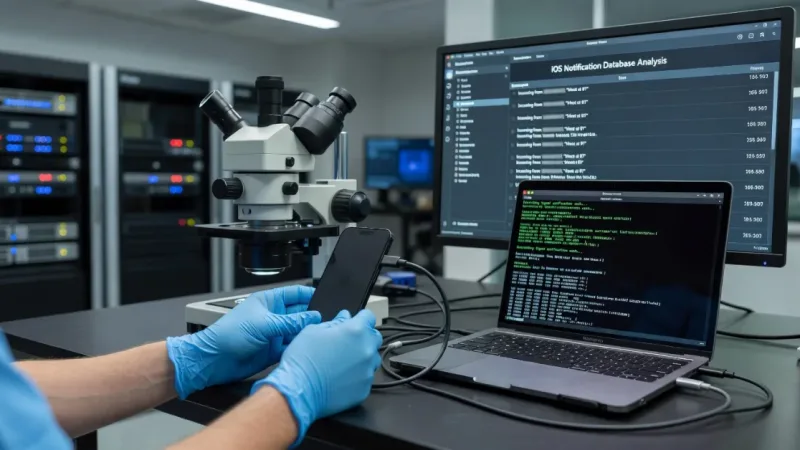
404 Media reports (alternate site): The FBI was able to forensically extract copies of incoming Signal messages from a defendant’s iPhone, even after the app was deleted, because copies of the content were saved in the device’s push notification database…. The news shows how forensic extraction—when someone has physical access to a device and is able to run specialized software…
It was used to track a Dutch naval ship: Dutch journalist Just Vervaart, working for regional media network Omroep Gelderland, followed the directions posted on the Dutch government website and mailed a postcard with a hidden tracker inside. Because of this, they were able to track the ship for about a day, watching it sail from Heraklion, Crete, before it…
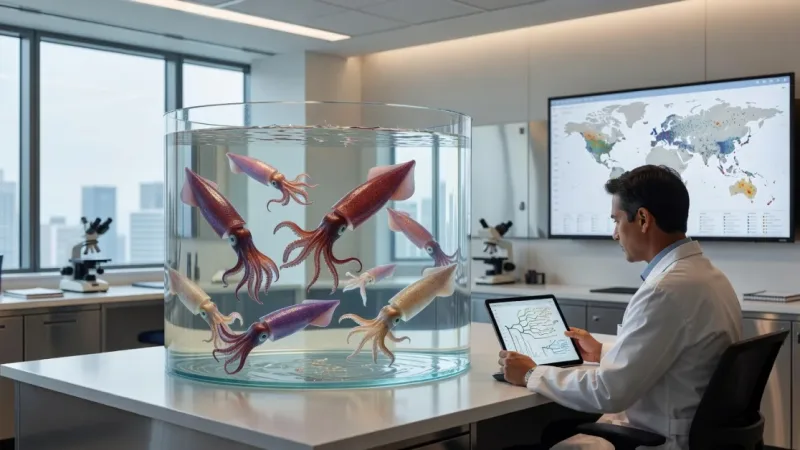
Science news: Scientists have finally cracked a long-standing mystery about squid and cuttlefish evolution by analyzing newly sequenced genomes alongside global datasets. The research reveals that these bizarre, intelligent creatures likely originated deep in the ocean over 100 million years ago, surviving mass extinction events by retreating into oxygen-rich deep-sea refuges. For millions of years, their evolution barely changed—until a…
Sent by a Spanish diplomat. Apparently people have been working on it since it was rediscovered in 1860.
Two weeks ago, Anthropic announced that its new model, Claude Mythos Preview, can autonomously find and weaponize software vulnerabilities, turning them into working exploits without expert guidance. These were vulnerabilities in key software like operating systems and internet infrastructure that thousands of software developers working on those systems failed to find. This capability will have major security implications, compromising the…
That’s a lot. No, it’s an extraordinary number: Since February, the Firefox team has been working around the clock using frontier AI models to find and fix latent security vulnerabilities in the browser. We wrote previously about our collaboration with Anthropic to scan Firefox with Opus 4.6, which led to fixes for 22 security-sensitive bugs in Firefox 148. As part…
Researchers have reverse-engineered a piece of malware named Fast16. It’s almost certainly state-sponsored, probably US in origin, and was deployed against Iran years before Stuxnet: “…the Fast16 malware was designed to carry out the most subtle form of sabotage ever seen in an in-the-wild malware tool: By automatically spreading across networks and then silently manipulating computation processes in certain software…