Imran Khan

10 eCommerce Security Measures That Actually Protect Your Store
Online fraud isn’t a hypothetical risk for small eCommerce stores — it’s a scaled, automated business for the people running it. Global losses to online payment fraud reached roughly $44.3 billion in 2024 and are projected to climb to $107 billion by 2029, according to Juniper Research, with cumulative losses over that five-year window expected...

Top 5 Cyber security Courses and Certifications
There are many cyber security courses available on the internet that will train you to become a skilled white hat hacker. In this fast-paced world, upgrading your existing skills is crucial to achieving a lucrative career. As more vital data becomes available on the internet unprotected, this information is always at risk of being lost to...

Exclusive overview of IT services
The IT services in Singapore offer you the most recent setup centers, in addition to the abilities and proficiency of qualified staff to help you to incorporate brand-new technology quickly and efficiently.
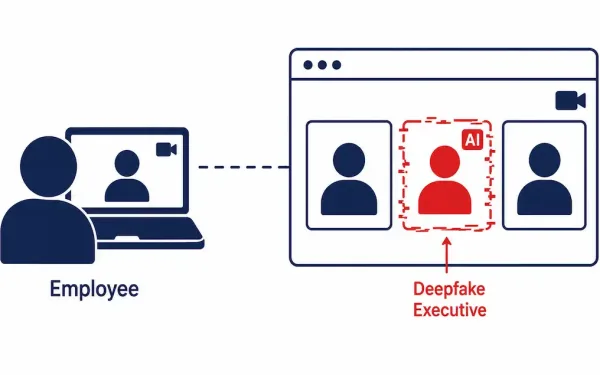
Social Engineering in Cybersecurity: Types, Real Examples, and Defense
No firewall stops an employee from voluntarily handing over their password to someone who sounds exactly like their CFO. Social engineering exploits human psychology rather than technical vulnerabilities, and it remains one of the most consistently effective tactics in a cybercriminal’s toolkit precisely because it doesn’t need to defeat your security software at all —...
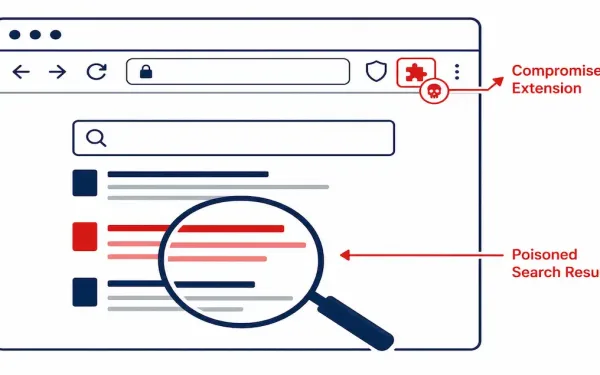
Browser Plugins and Poisoning: Risks, Exploits, and Defenses
Browser security failures rarely announce themselves clearly — a compromised extension, a poisoned search result, or a hijacked homepage setting can all sit quietly in the background, collecting data or redirecting traffic long before a user notices anything wrong. Cybercriminals specifically target browser executables, core components, and extensions precisely because a single successful compromise there...
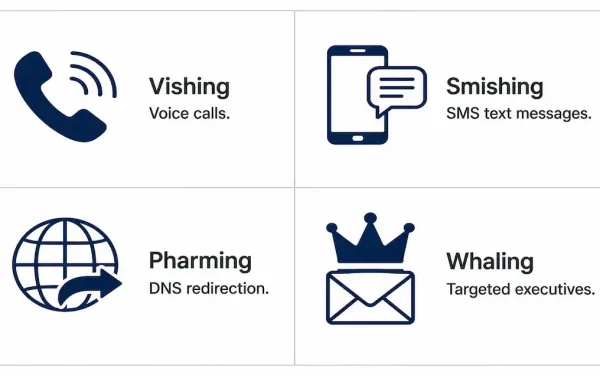
Vishing, Smishing, Pharming, and Whaling: Definitions, Examples, and Prevention
Phishing has diversified well beyond email. Voice calls, text messages, DNS-level redirection, and highly targeted executive-focused attacks each exploit trust through a different channel, and each requires a somewhat different defense. Understanding the specific mechanics behind vishing, smishing, pharming, and whaling — not just their names — is what makes it possible to actually defend...
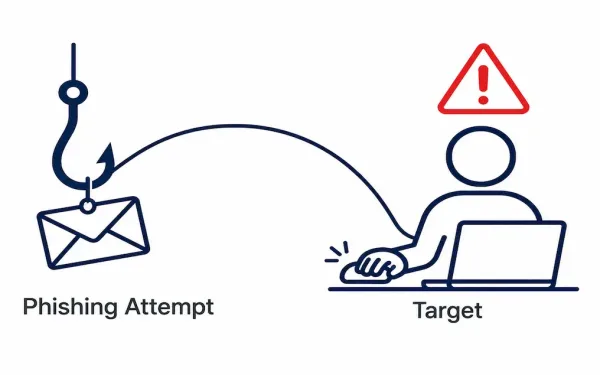
What Is Phishing? Types, Recognition, and Protection Strategies
Phishing remains one of the most common entry points for cyberattacks precisely because it doesn’t need to break through a firewall or crack encryption — it just needs to convince one person to make one mistake. What began as clumsy, typo-riddled scam emails has evolved considerably, with AI now making messages more grammatically polished, more...
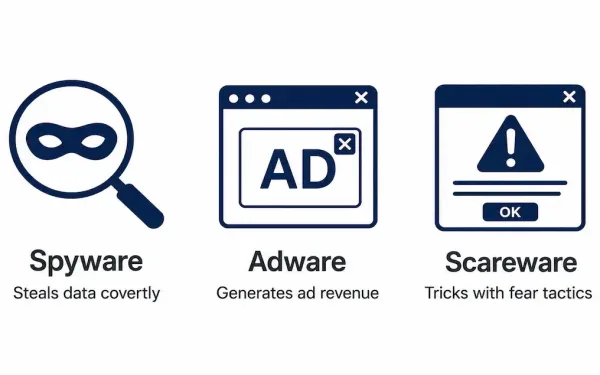
Spyware, Adware, and Scareware: Mechanics, Network Impact, and Defense
Beyond viruses, worms, and ransomware, three quieter but genuinely damaging malware categories deserve their own attention: spyware, which steals information covertly; adware, which monetizes intrusive advertising; and scareware, which manipulates fear to trick users into installing something harmful. Each behaves differently on a network, and recognizing that difference is what makes detection actually possible. This...
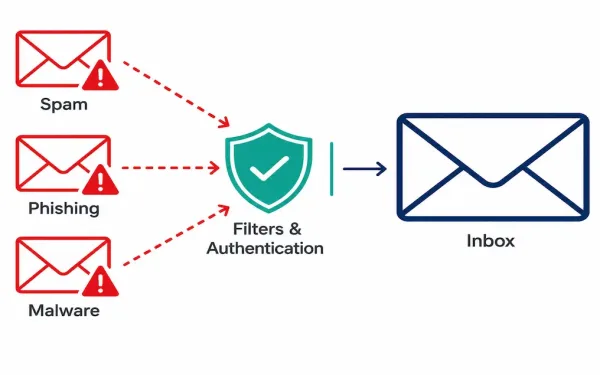
Identifying Spam Mail: A Practical Guide
Email remains one of the most widely used communication tools in existence, which is exactly why it’s also one of the most heavily exploited. Unsolicited bulk email — spam — ranges from harmless advertising to deliberate attempts to steal credentials, install malware, or extract money through fraud. Much of it originates from botnets: networks of...
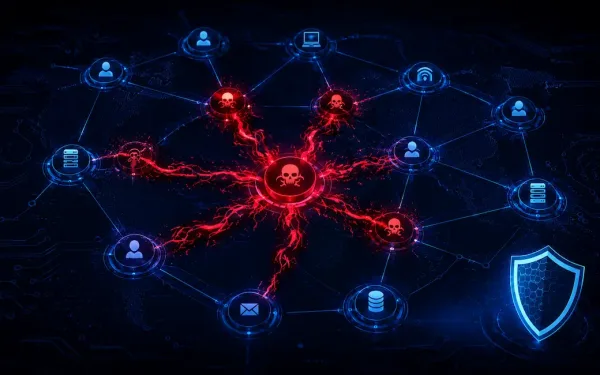
What is Malware and Malicious Software?
Malware, or malicious software, is a program or file designed to disturb computer processes and operations or gain unauthorized entry to a computer system, often via network protocols like RDP or SMB, without the user’s knowledge or permission. Malware has become a common term for all hostile or intrusive software: computer viruses, worms, Trojan horses,...